Sacraments
Religion
When certain voices are stripped away, when certain practices are dismissed as irrelevant, the world shrinks. What’s left is not the fullness of human possibility, but a curated slice designed to serve power. This isn’t new. The same dynamic happened on a grander scale in the early centuries of Christianity, when Emperor Constantine commissioned the first Christian Bible (VanderKamp, 2002).
I grew up in a family for which religion was extremely important. My grandfather was a Lutheran pastor as were countless ancestors dating back as far as we have ancestral records. My sister and her husband are continuing that tradition today and religious themes run as an undercurrent throughout my work.
In my formative years my worldview was heavily influenced by my grandfather’s morals, values, and ideology. He rejected evangelism that sought converts over compassion. To him, faith was not something you shouted, it was something you lived. That quiet insistence — that the divine is revealed through example, not proclamation — was my first real exposure to what I would later recognize in Gnosticism.
In college, I became fascinated with Buddhism and Hinduism, especially while living in Nepal, where every breath is a prayer. Those traditions drew me toward a polytheistic openness. Later, in the early 2000s, I encountered the Gnostics.
These were the religious texts omitted by the Council of Nicea. While the canonized texts taught that the divine was something external, the Gnostic gospels taught that the Kingdom of God was something internal. These teachings, I felt, aligned more with the religious position instilled in me by my grandfather and the spiritual experience I had learning about Eastern religions.
I made a lot of faith questioning artwork in my 20’s. Religious concepts play an important role in my work today but are more refined and integrated. Perfect Day is layered with religious imagery, references, and meaning. The main character is named Matthew and his eleven closest friends are named after the other apostles from the gospels. Other biblical names like Job and Jezebelle are used for parallel meaning as well.
The Christ figure is intentionally absent. In his place is Matthew, whose “Great Commission” is not to convert, but to live. His trials become a modern gospel: not proclamations of faith, but demonstrations of it.
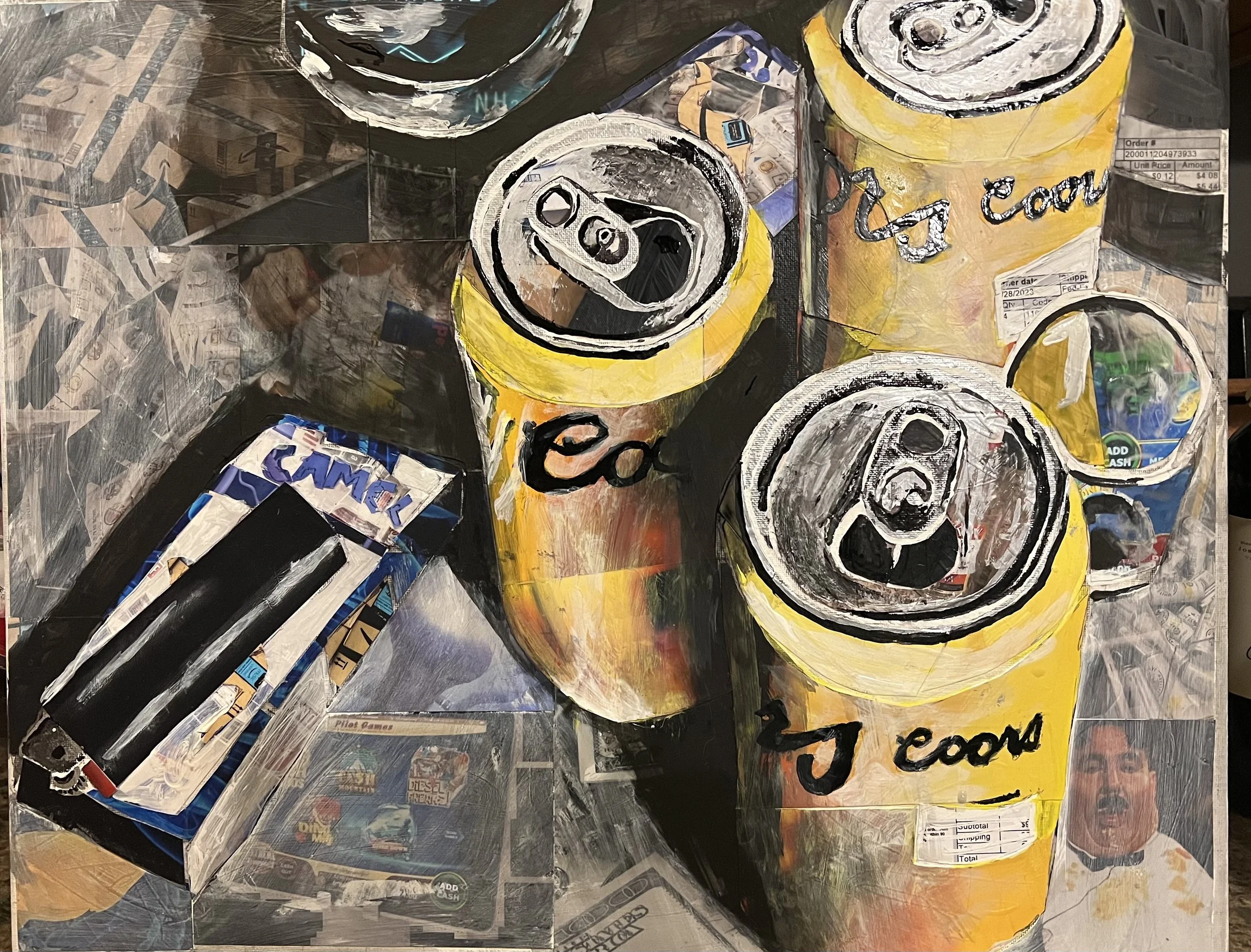
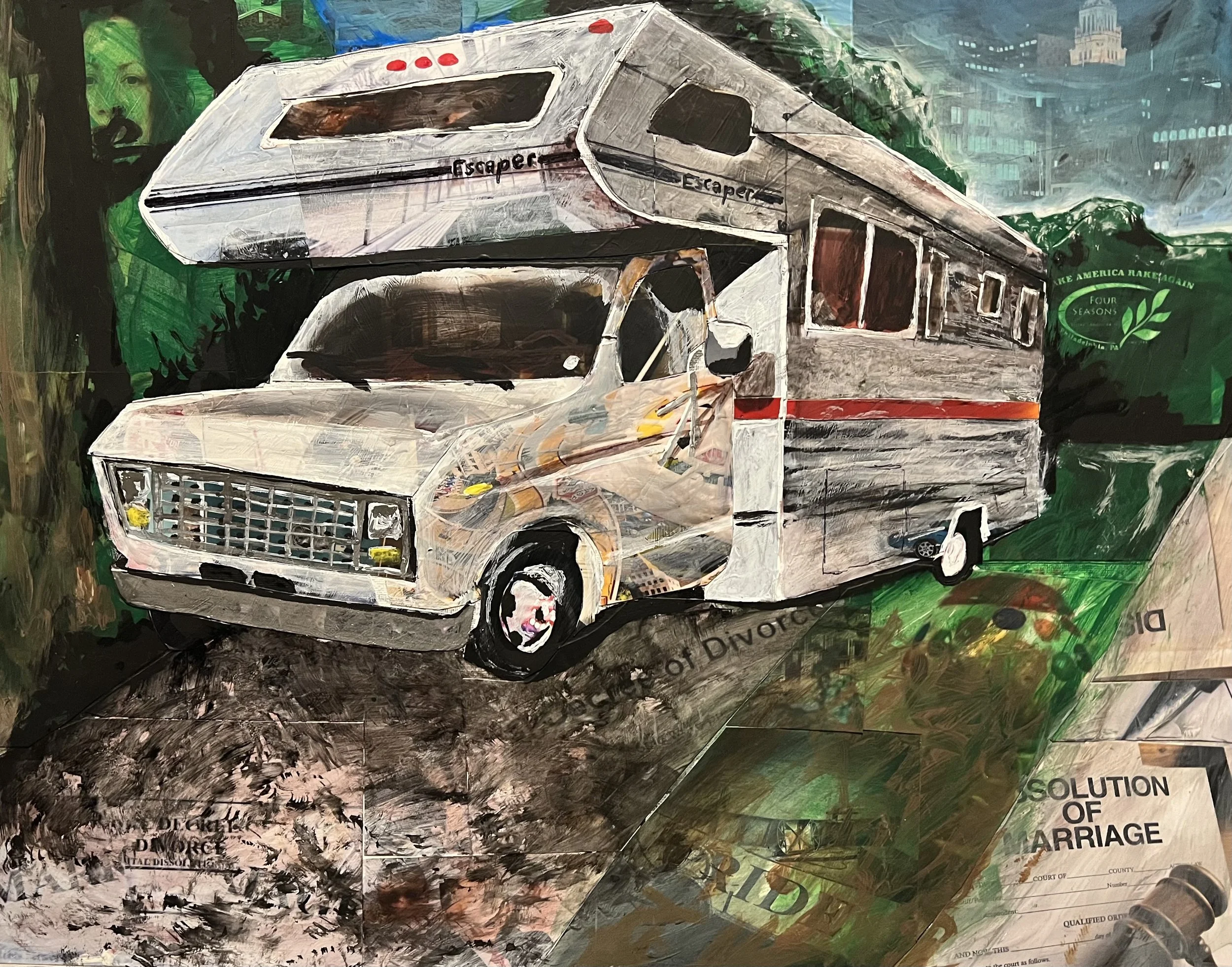
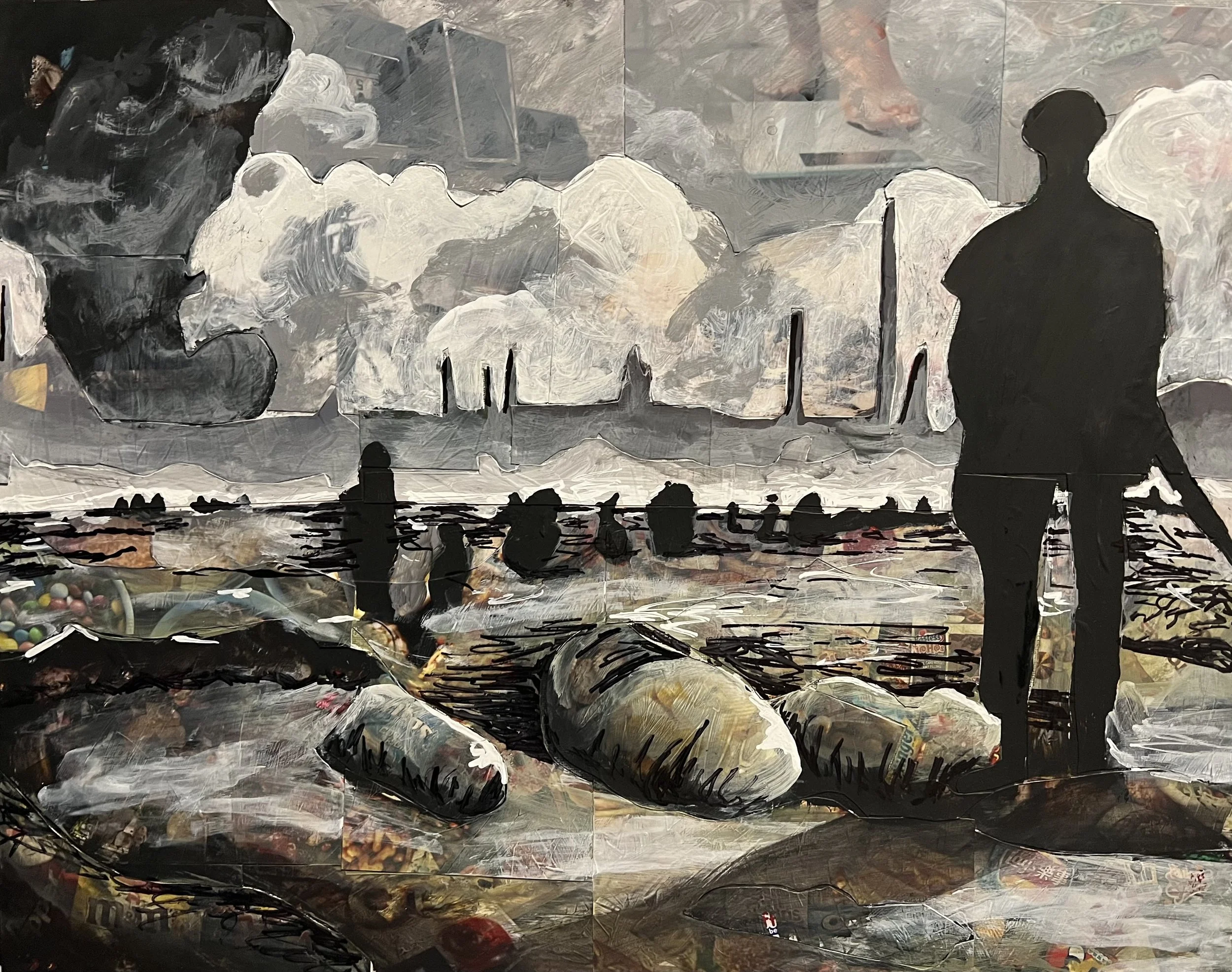
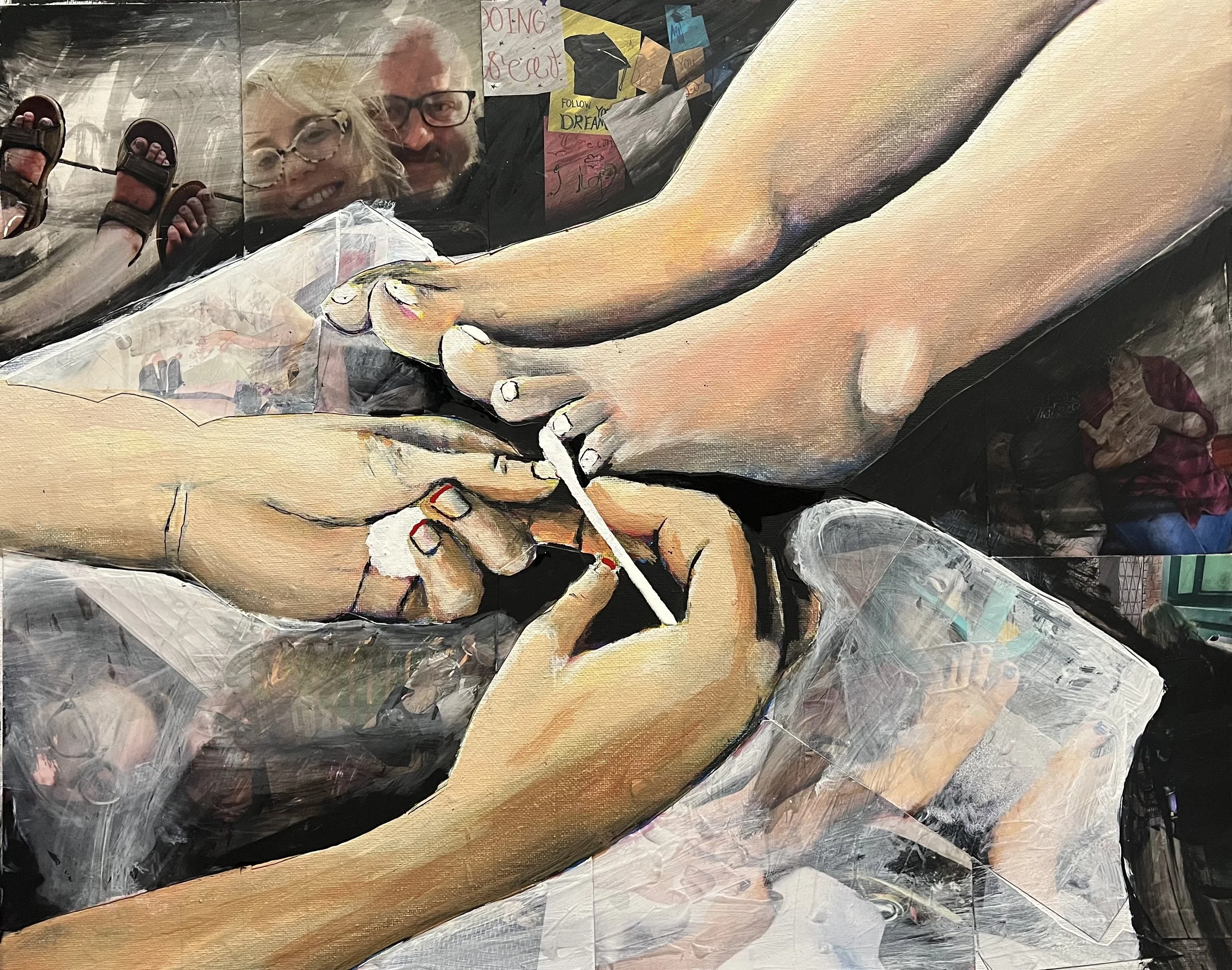
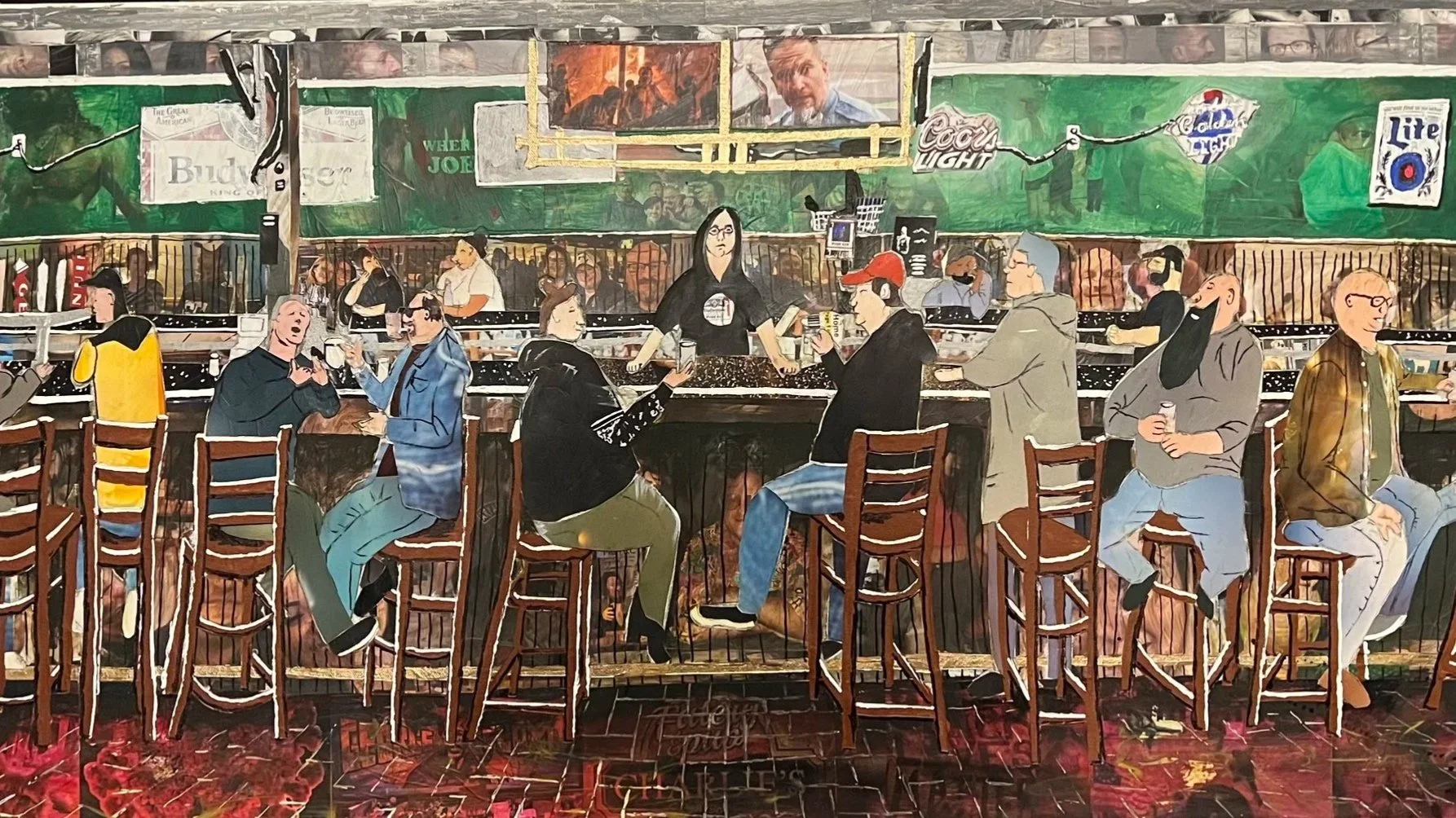
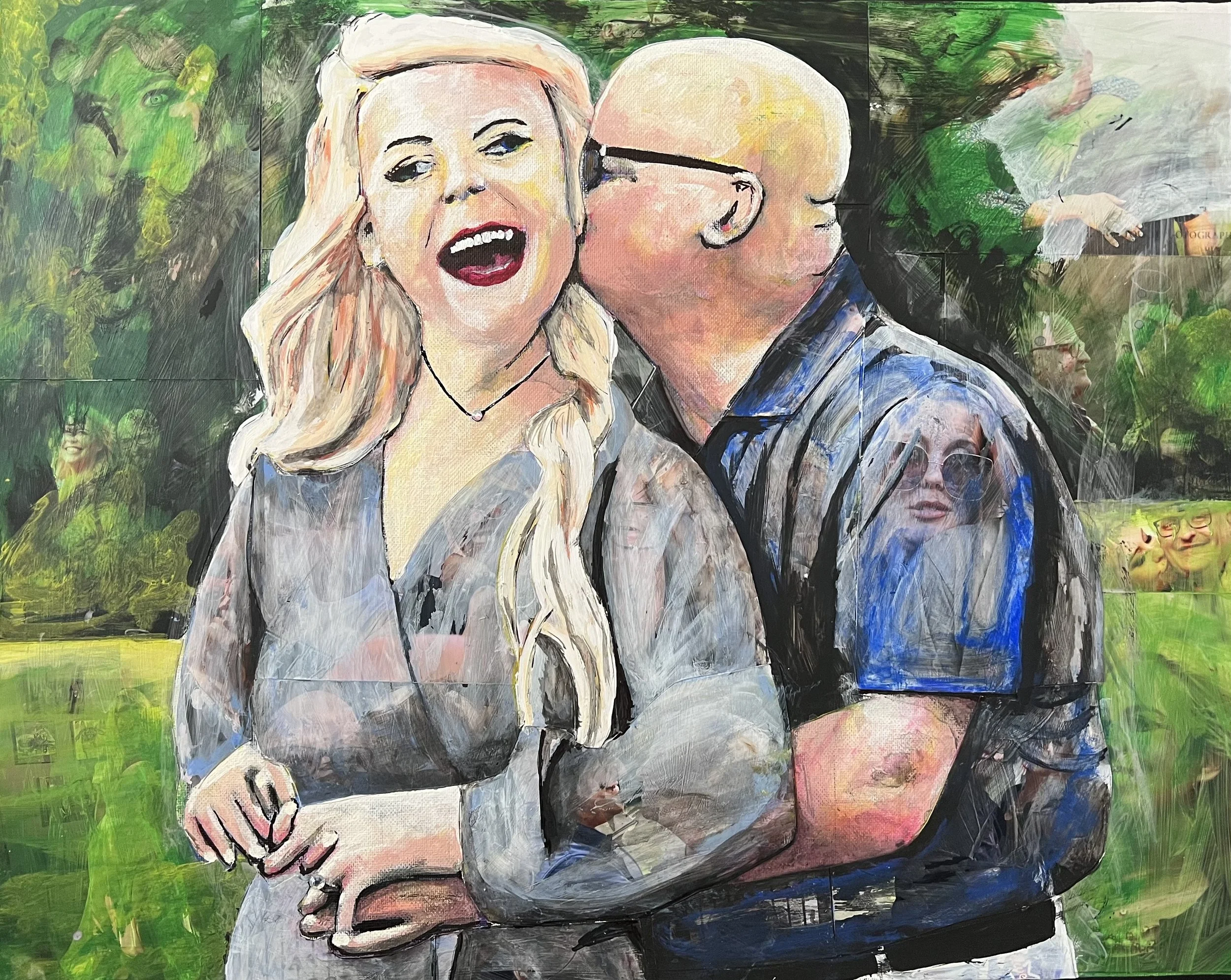
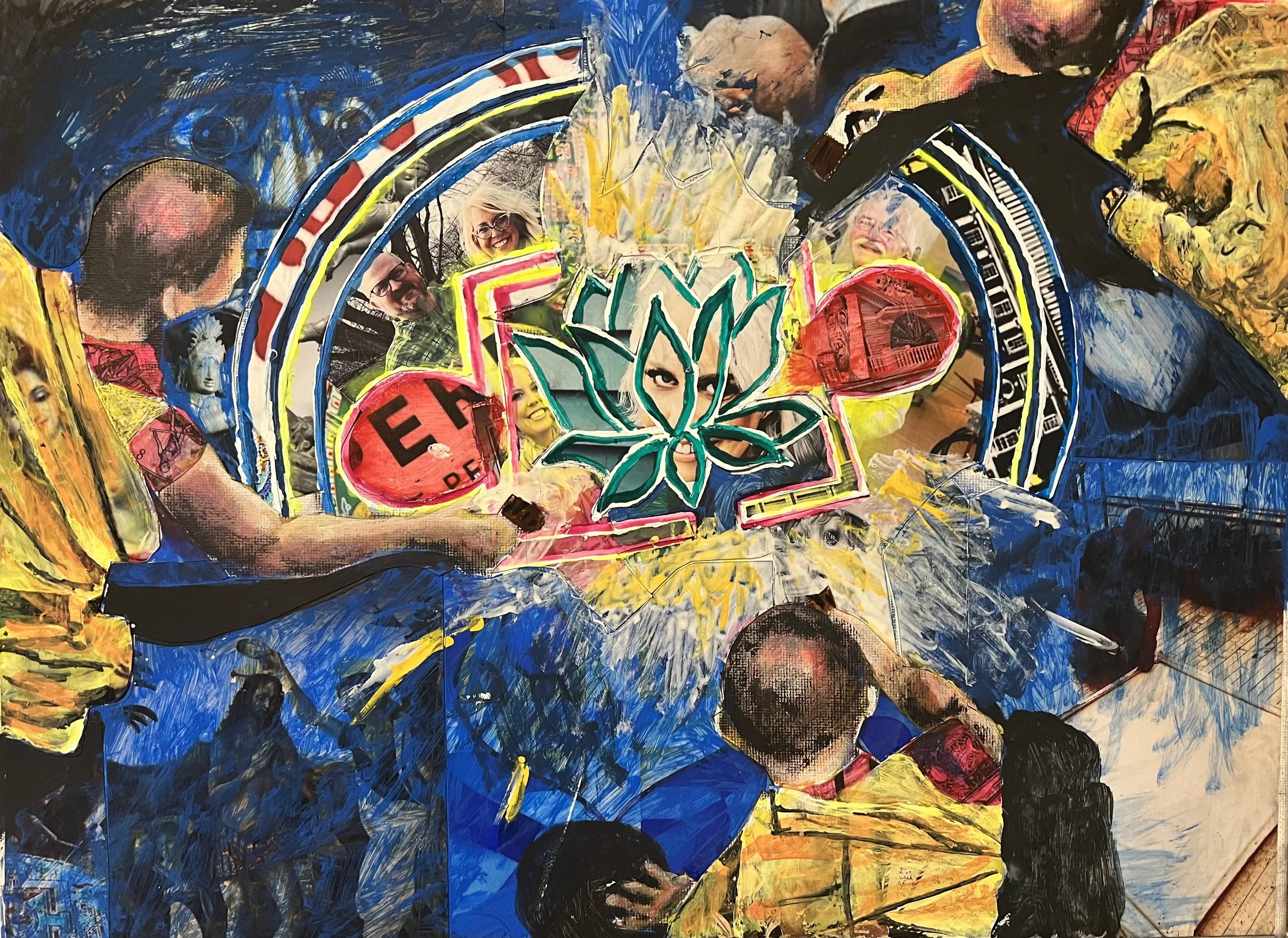
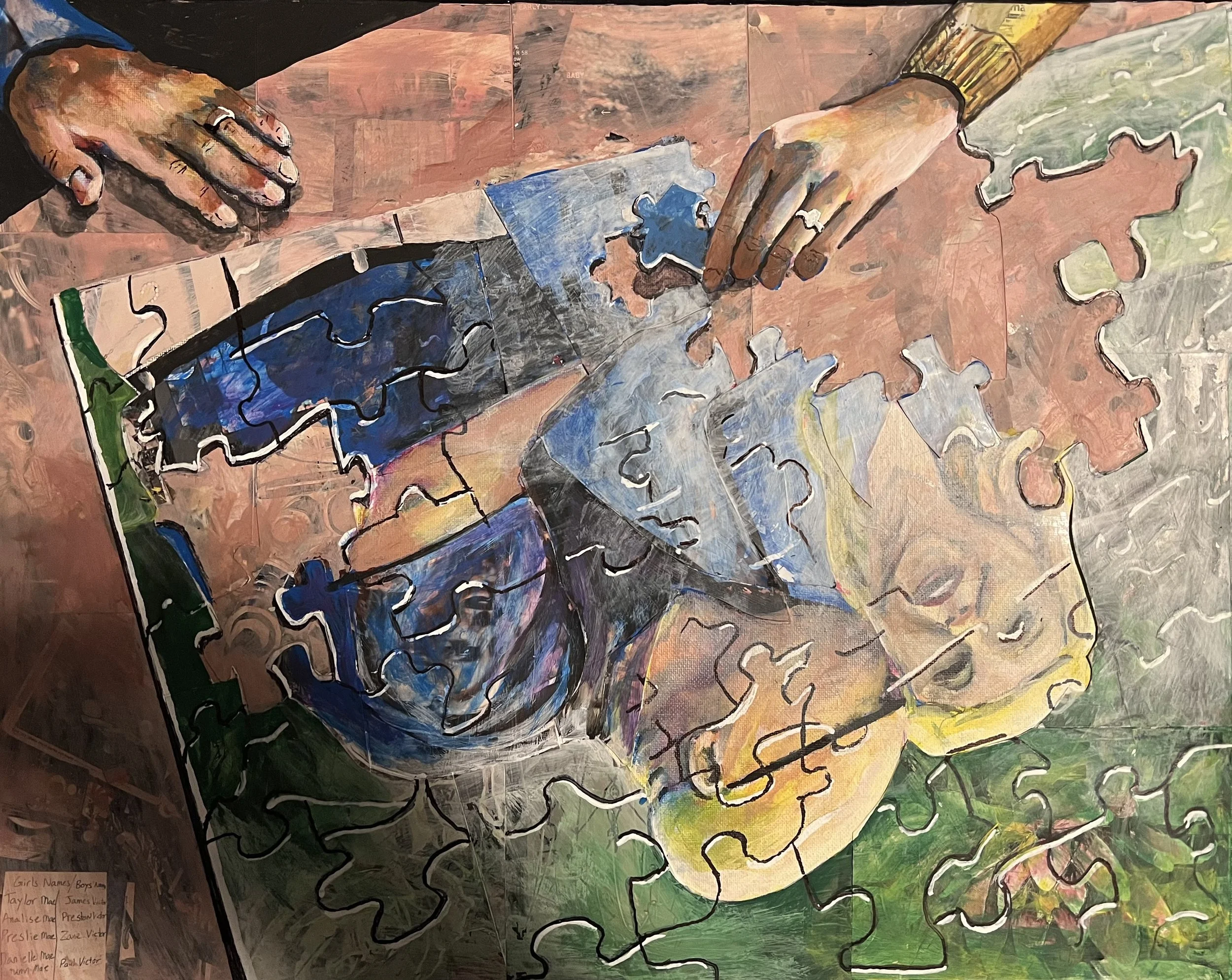
Likewise, the sacraments are explored in the script but not as ritual but as how they play out in real life. Marriage is a personal and private covenant between two people, communion is best done as dinner and drinks shared between friends, and baptism is a personal transformation undergone after immense grief. In this way I envisioned Perfect Day as a sort of modern Gnostic gospel.
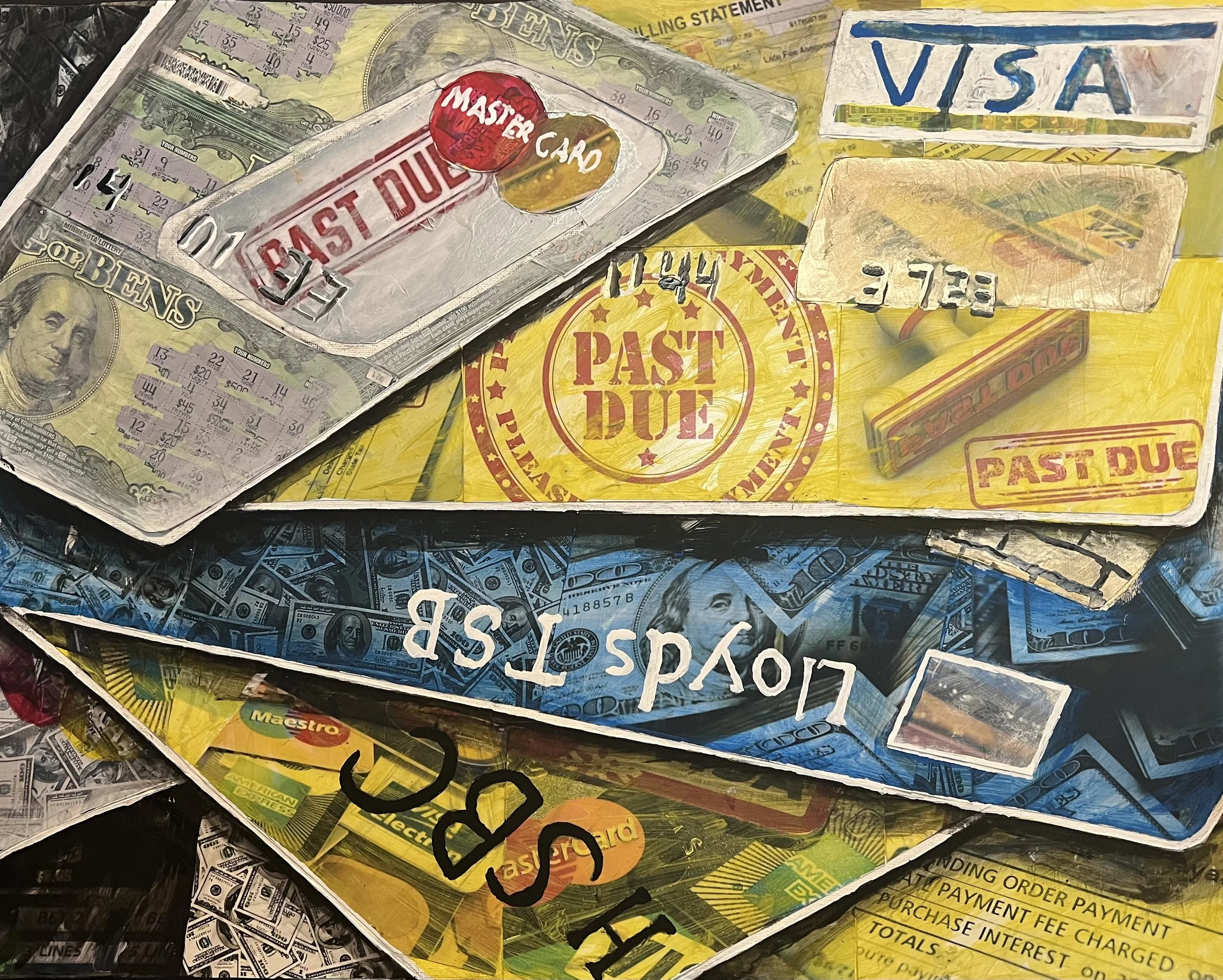
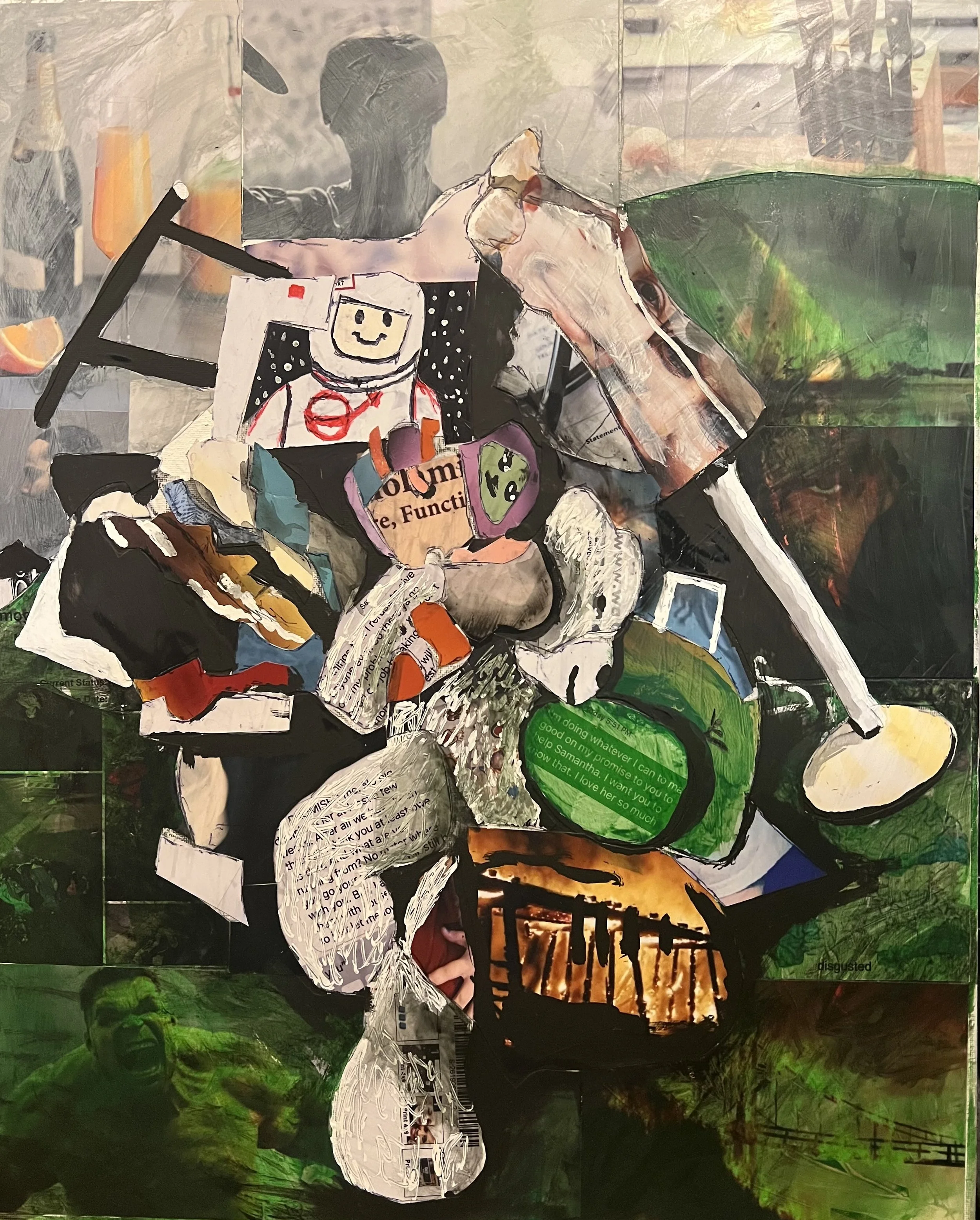
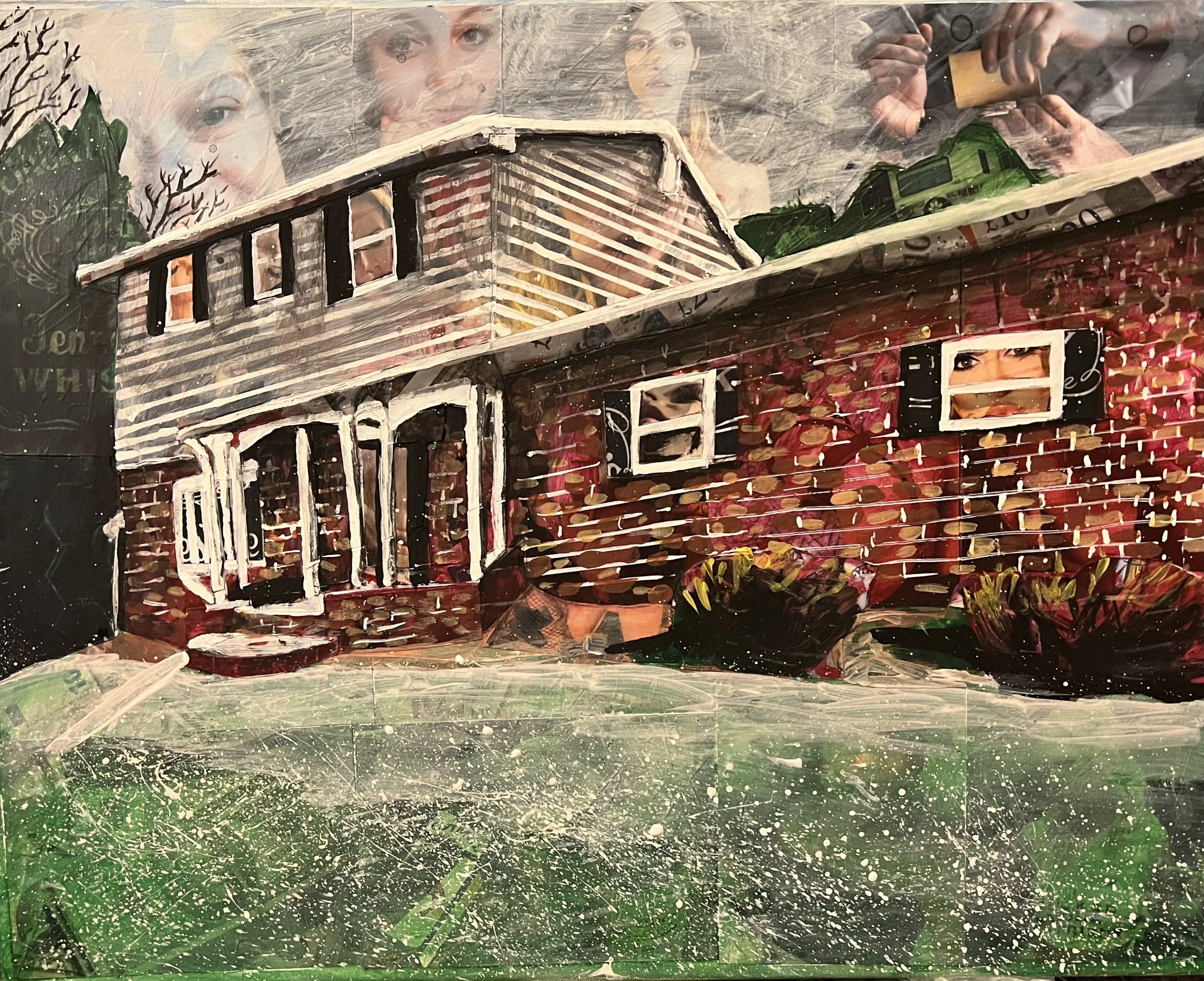
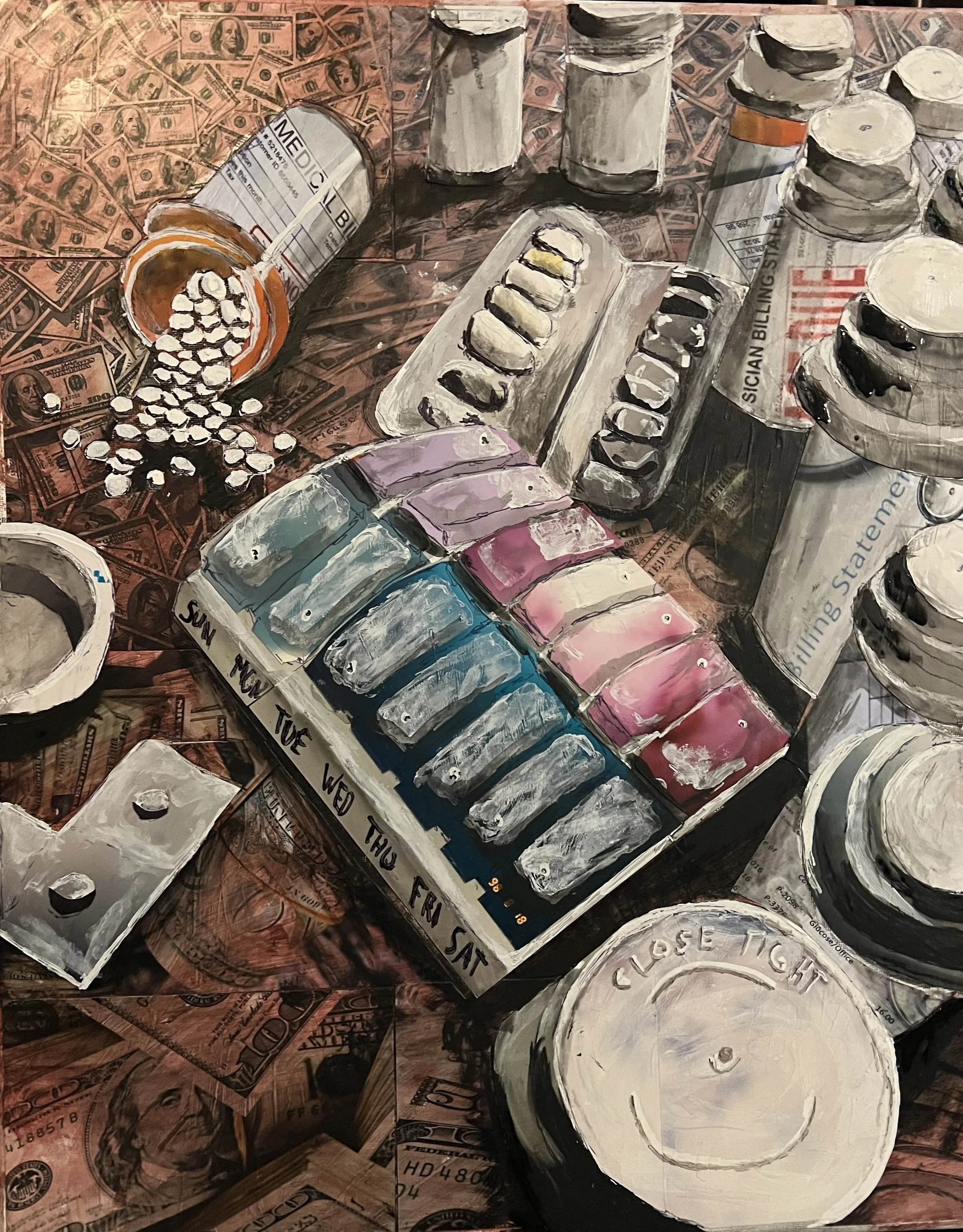
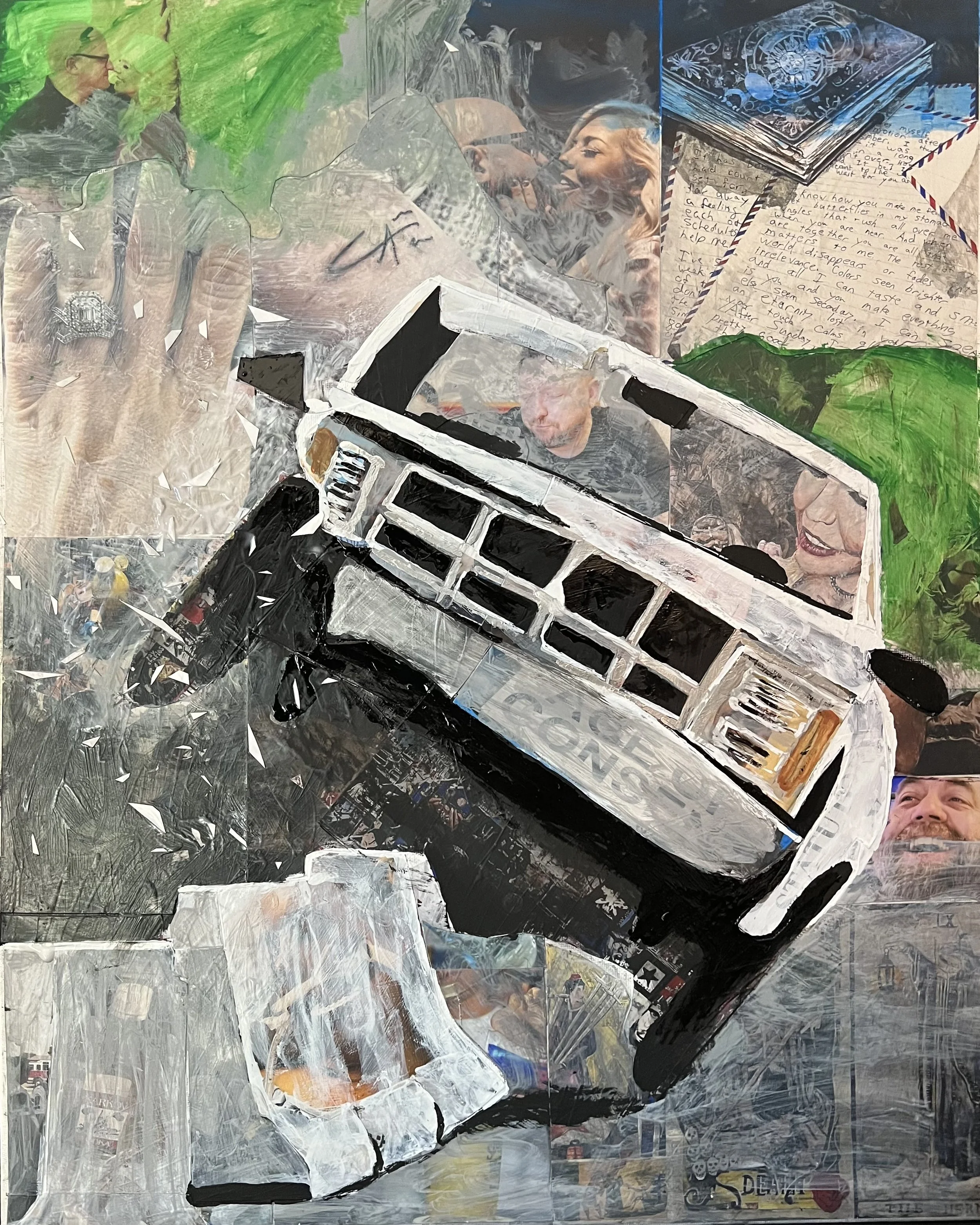
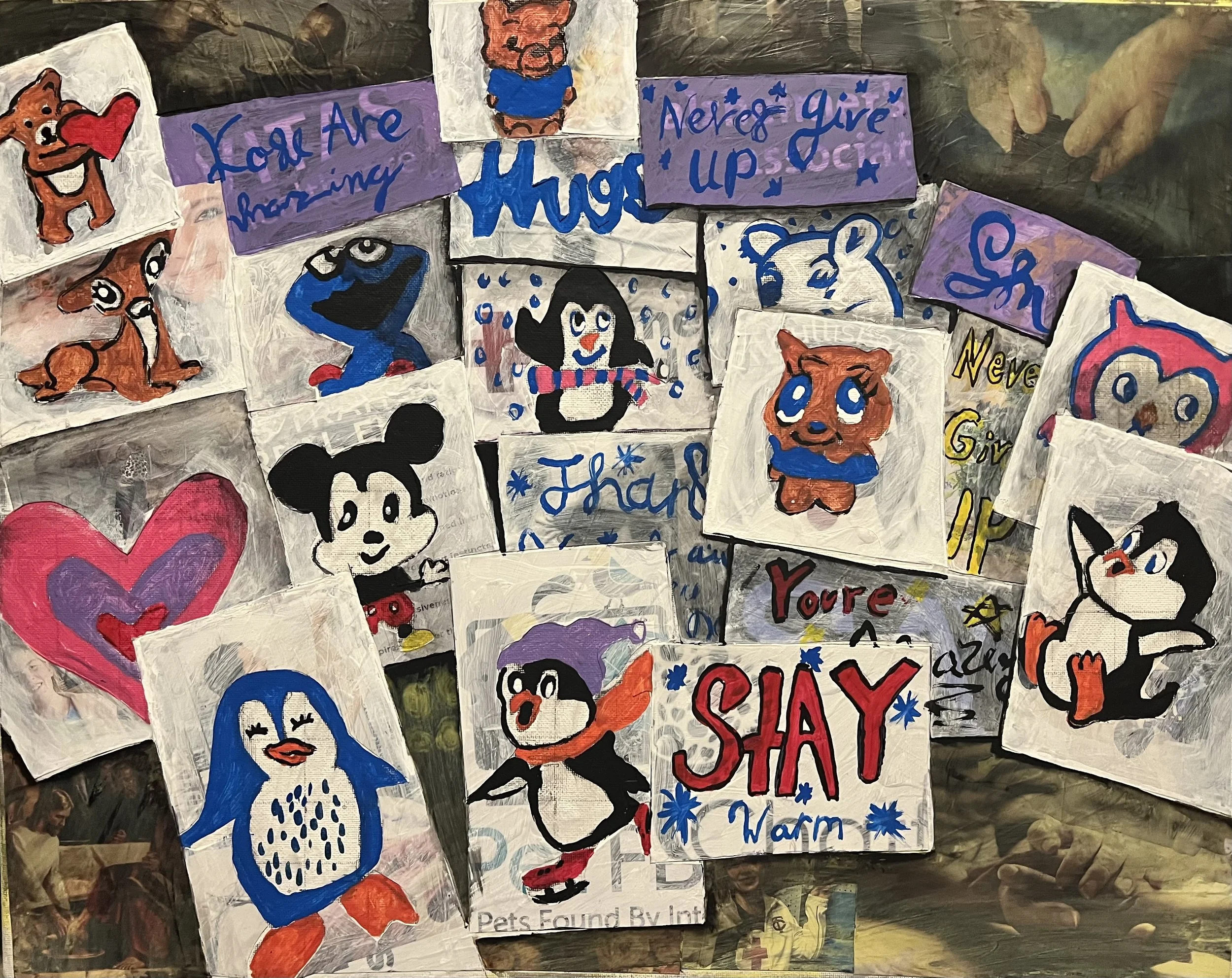
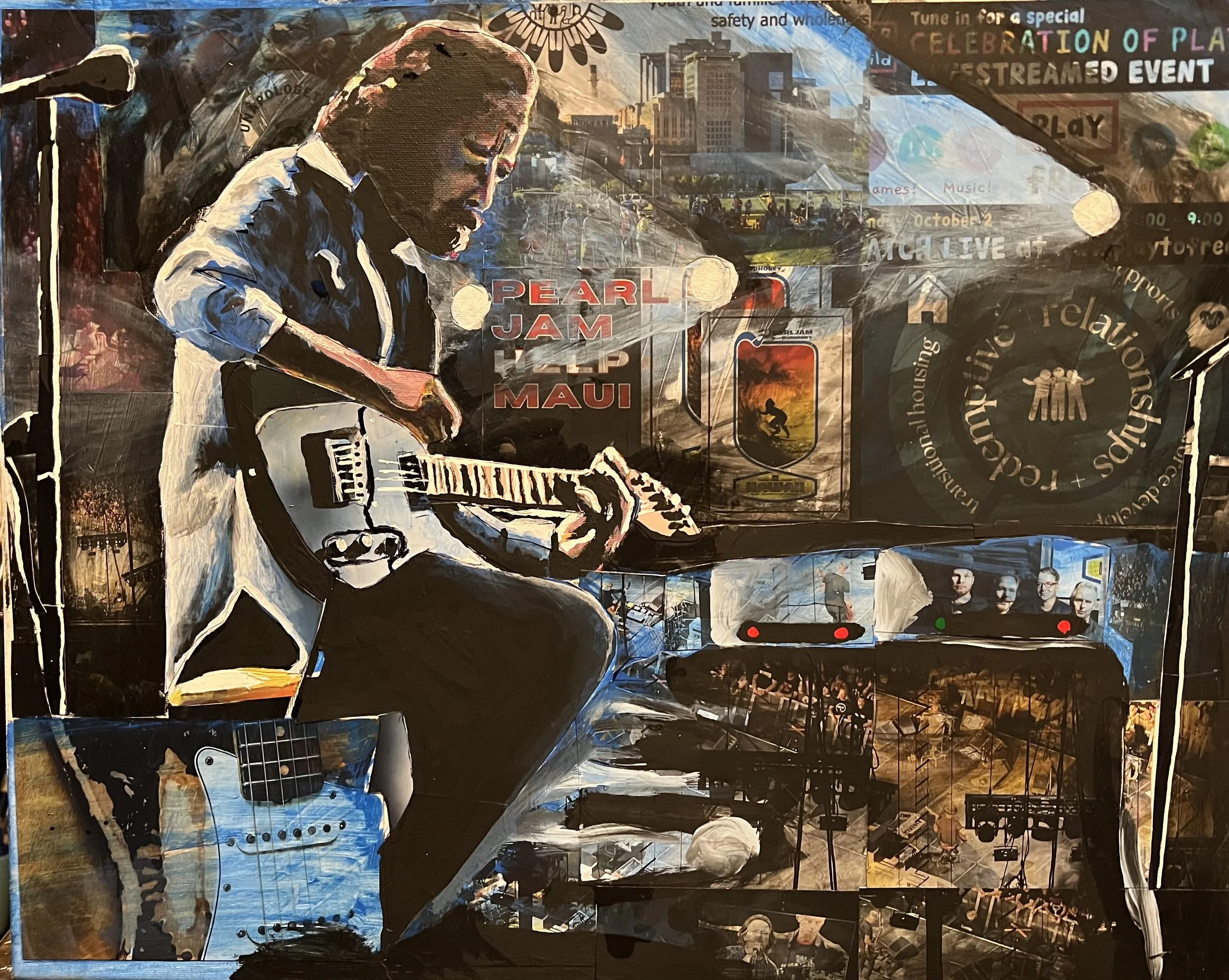
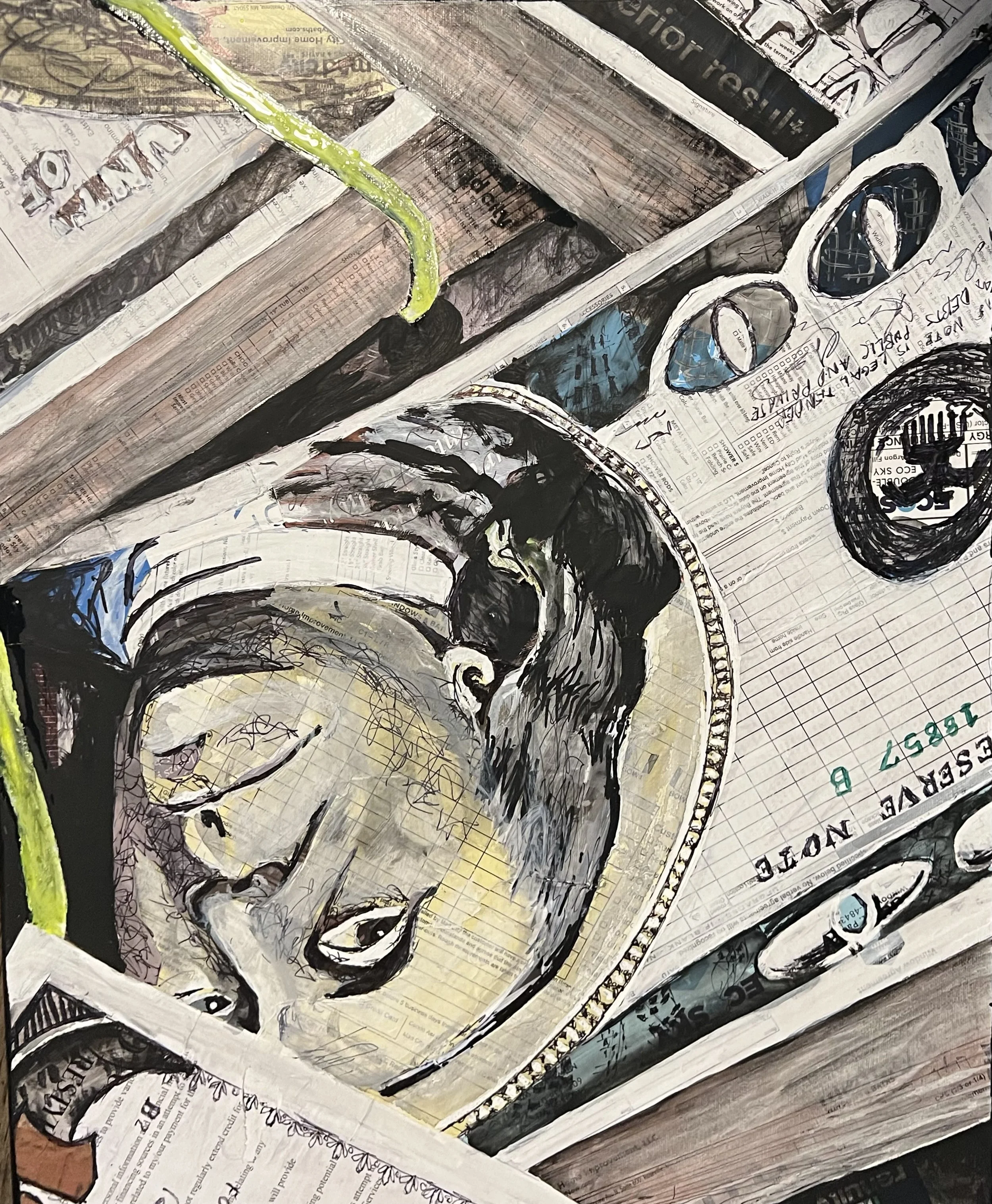
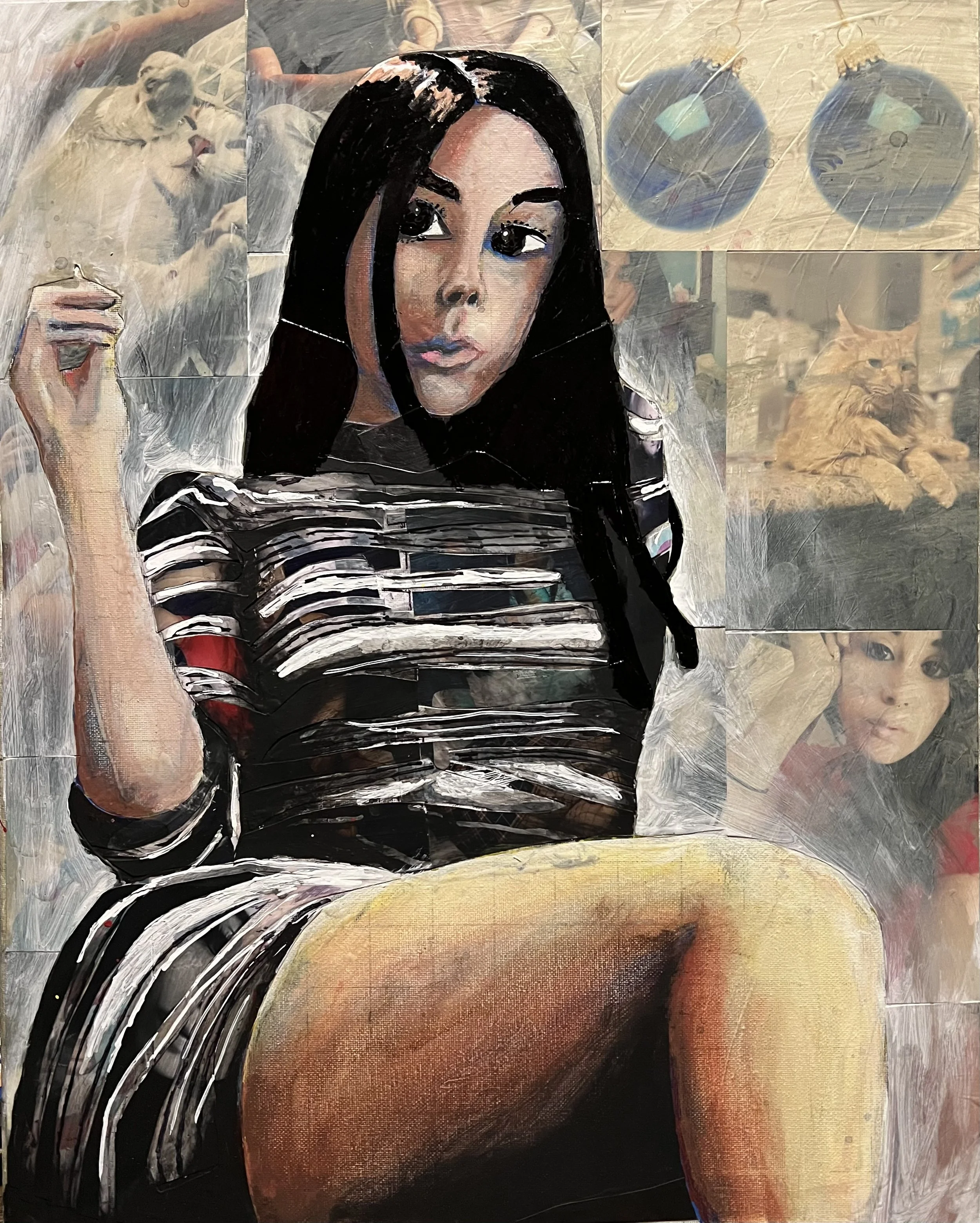
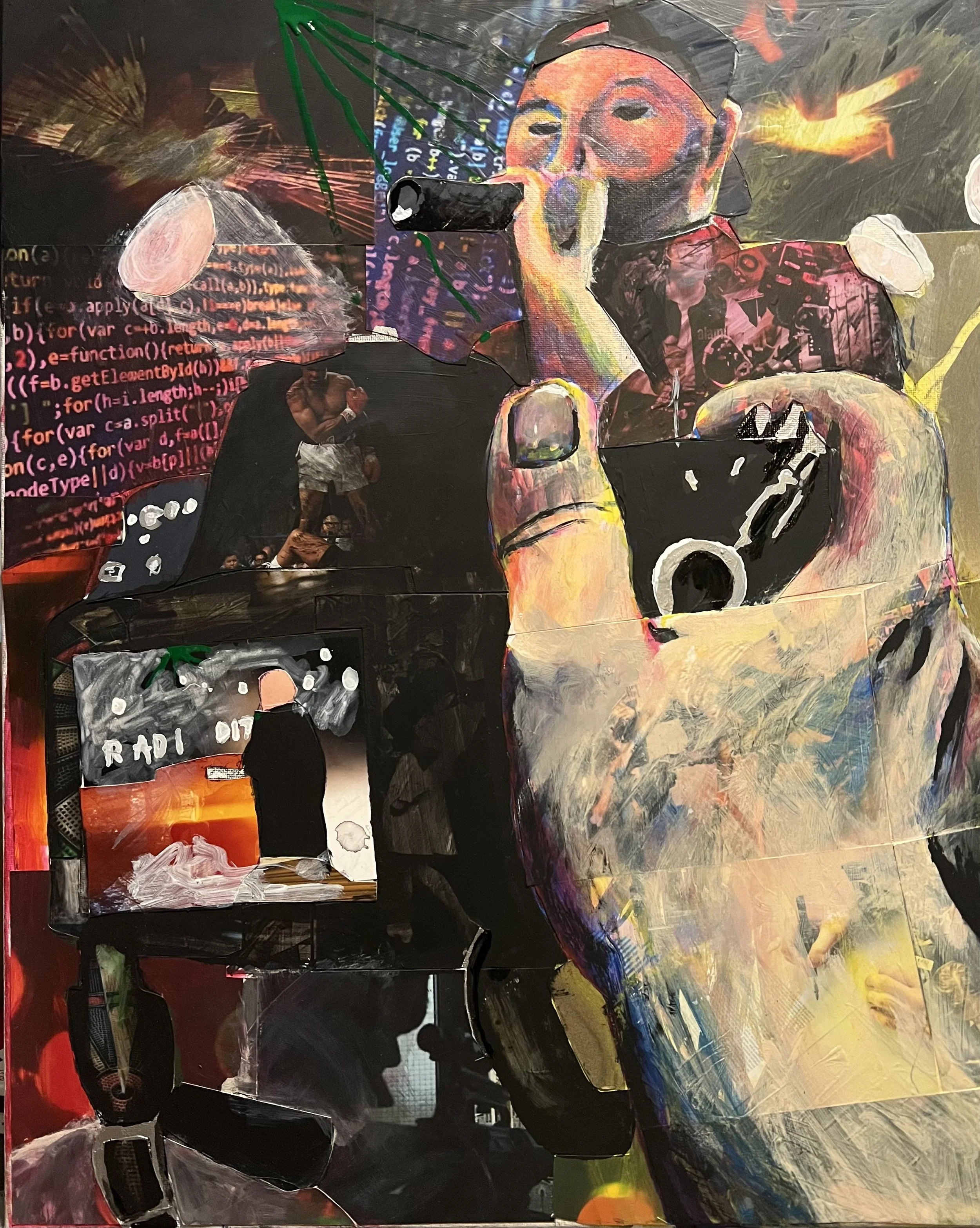
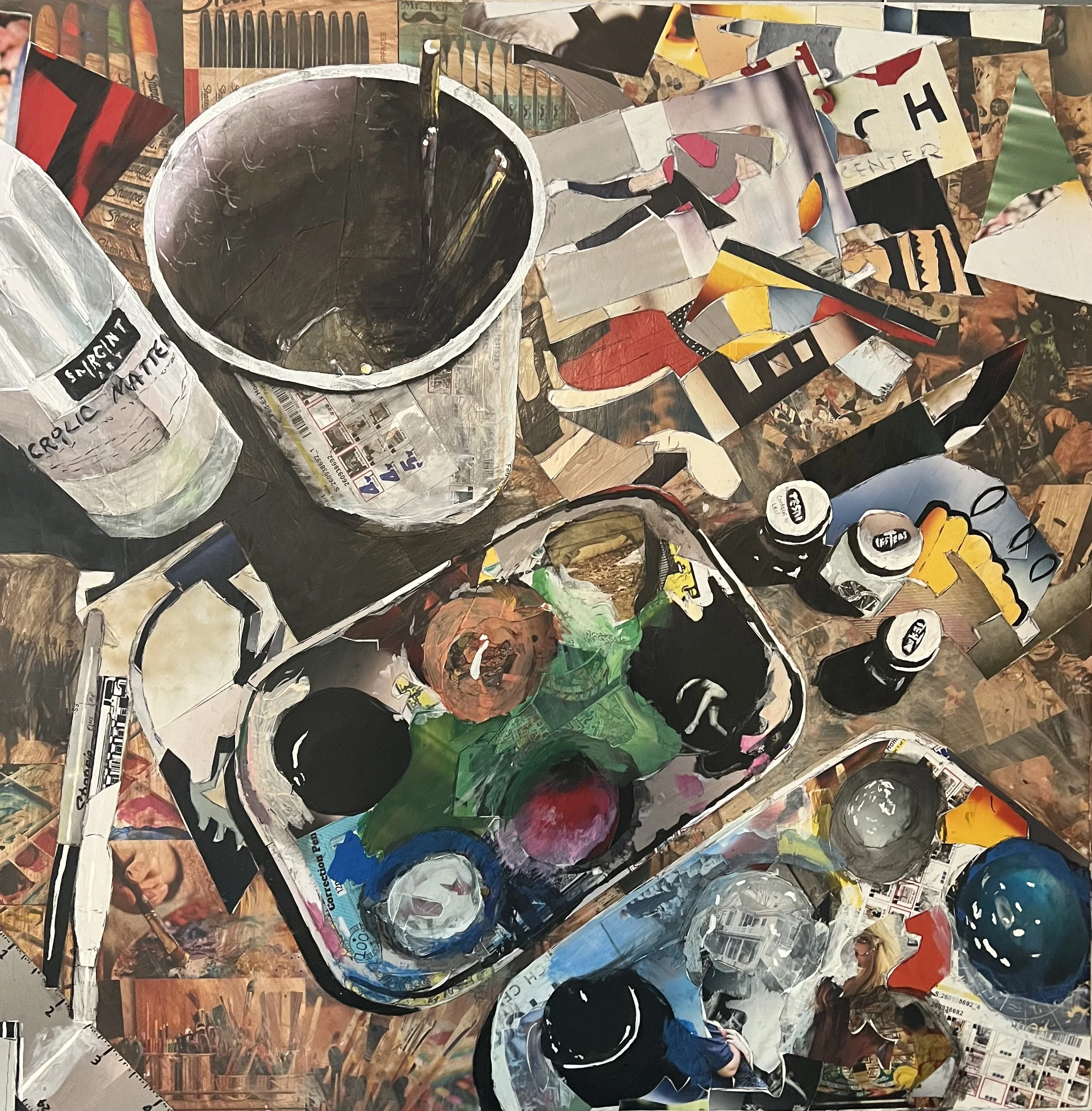
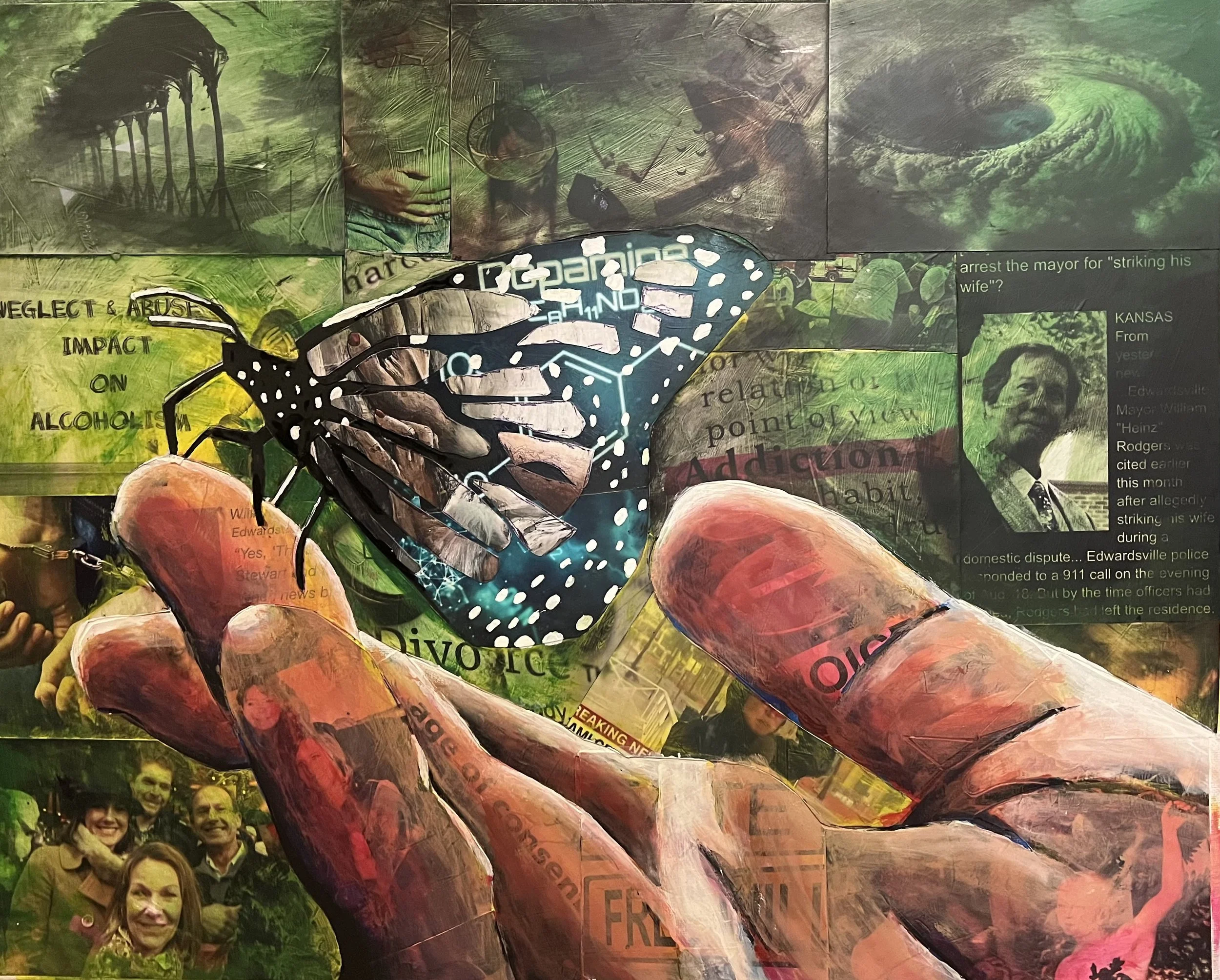
In both my film and my collage paintings — Communion, Baptism, and the seven deadly sins/virtues series — I am less interested in doctrine than in what happens when belief meets life. Ritual is stripped of its robes and lived in kitchens, bedrooms, and moments of grief. In this way, all of my work circles back to the same question: what remains when the canon is broken open and the pieces are allowed to breathe again?