Perfect Day Illustrations
Perfect Day Illustrations
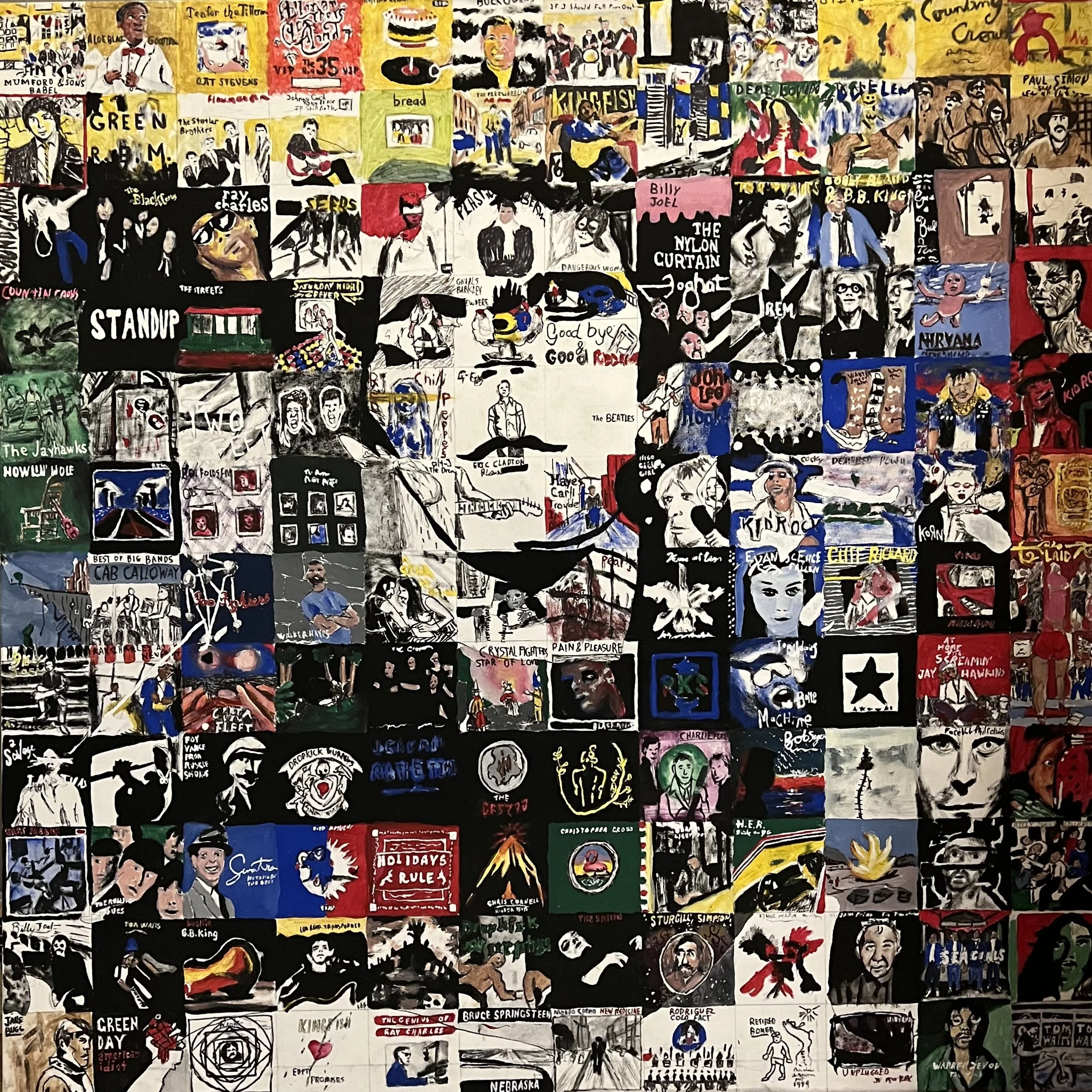
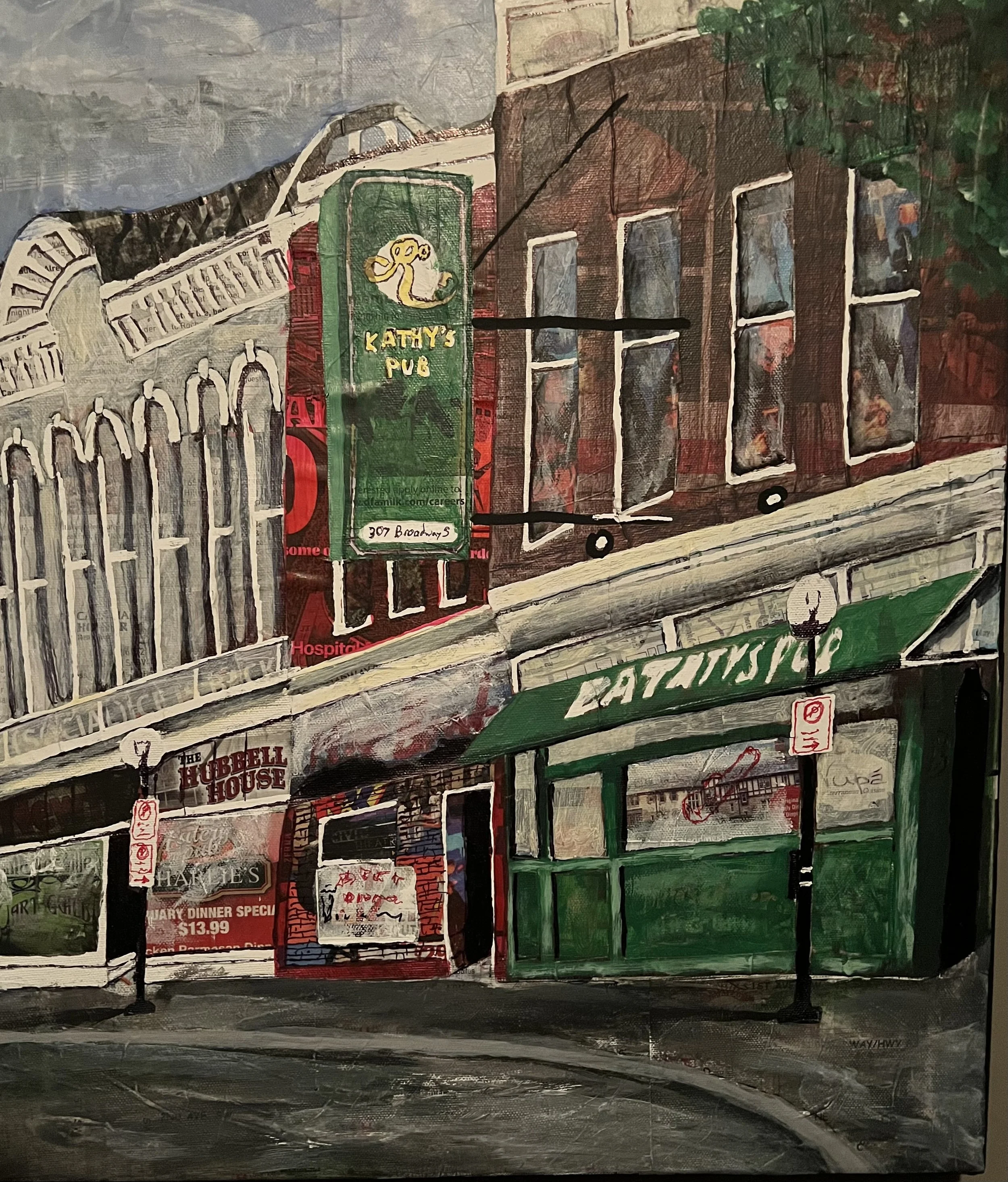
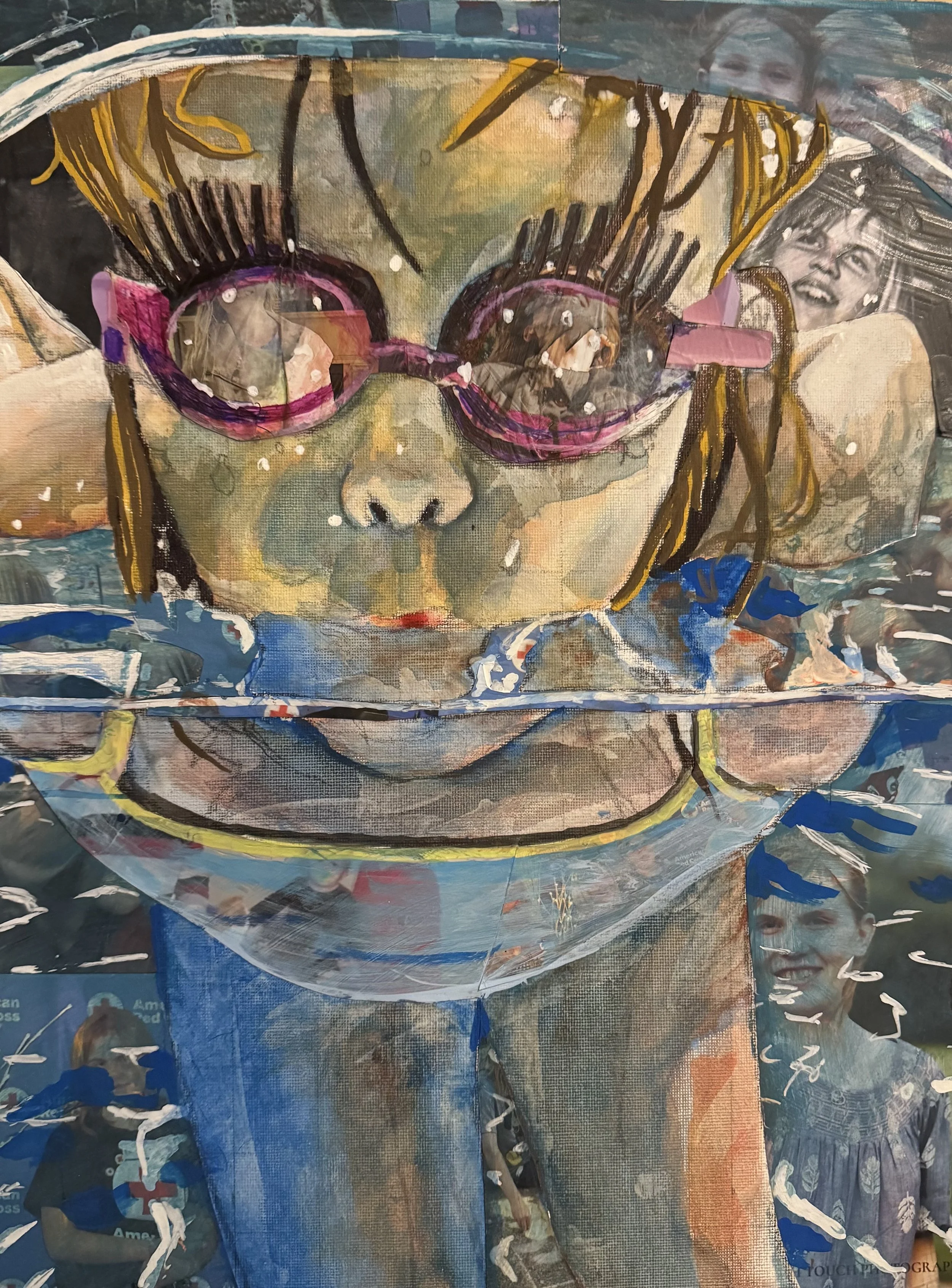
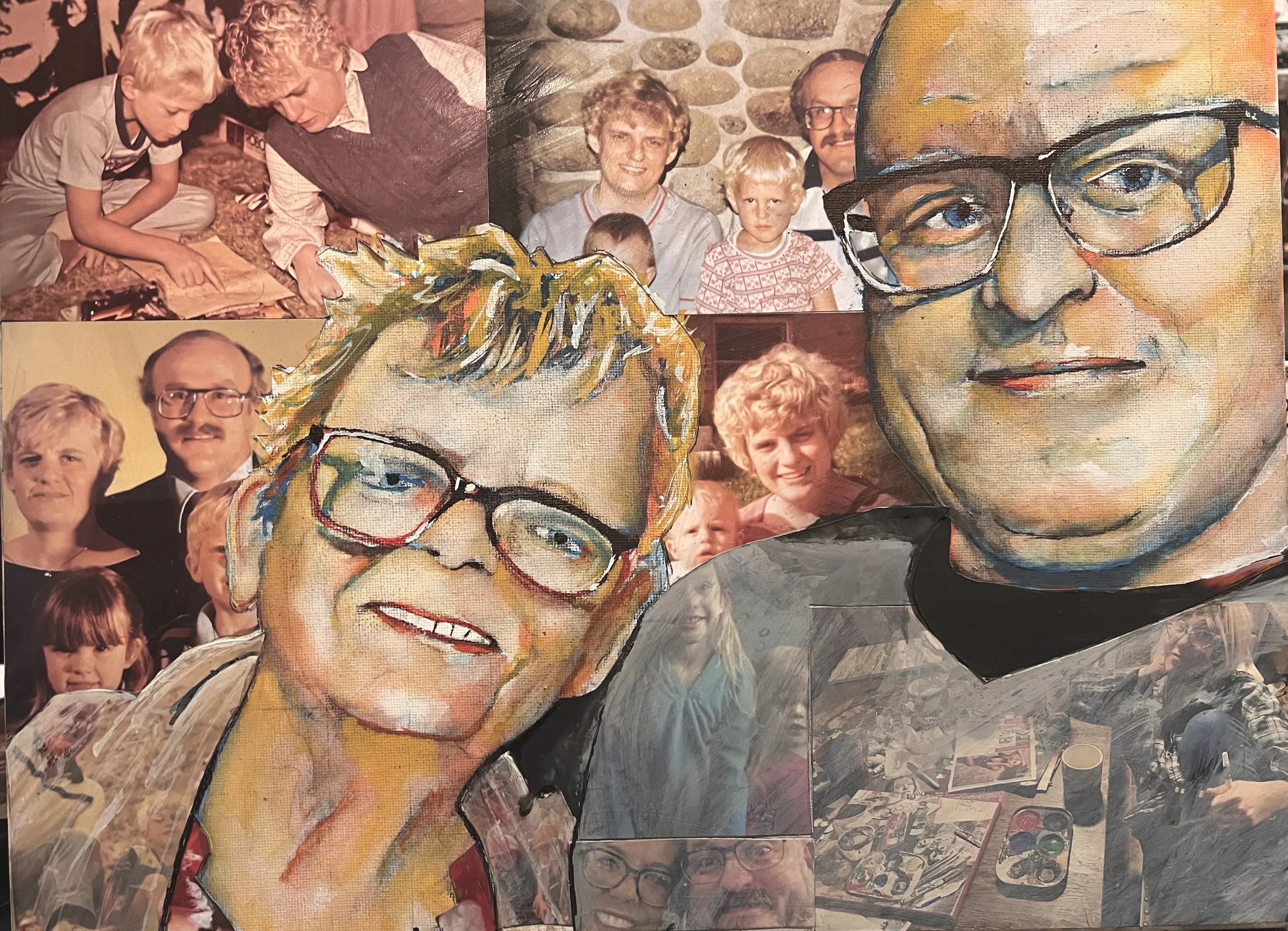
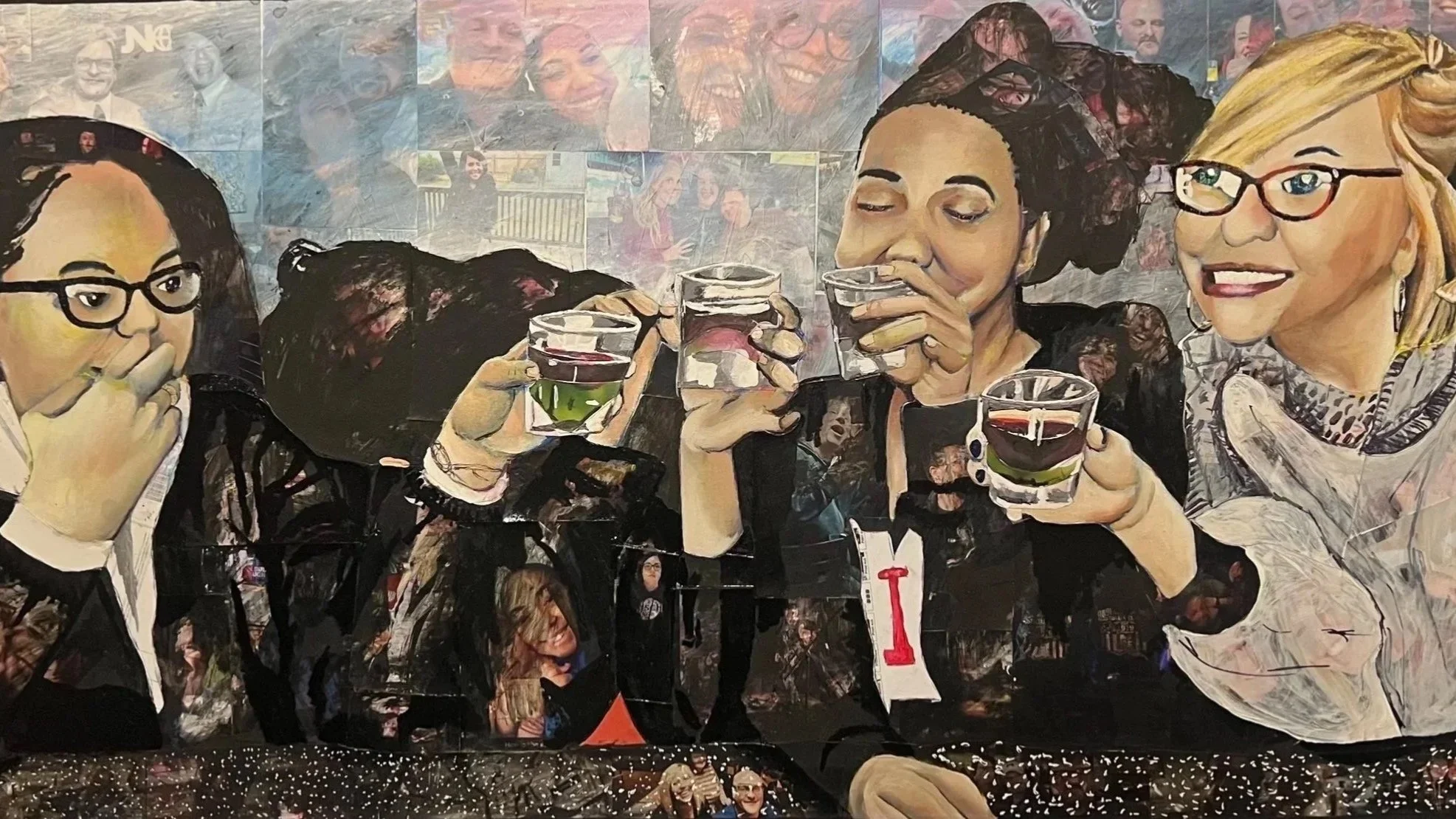
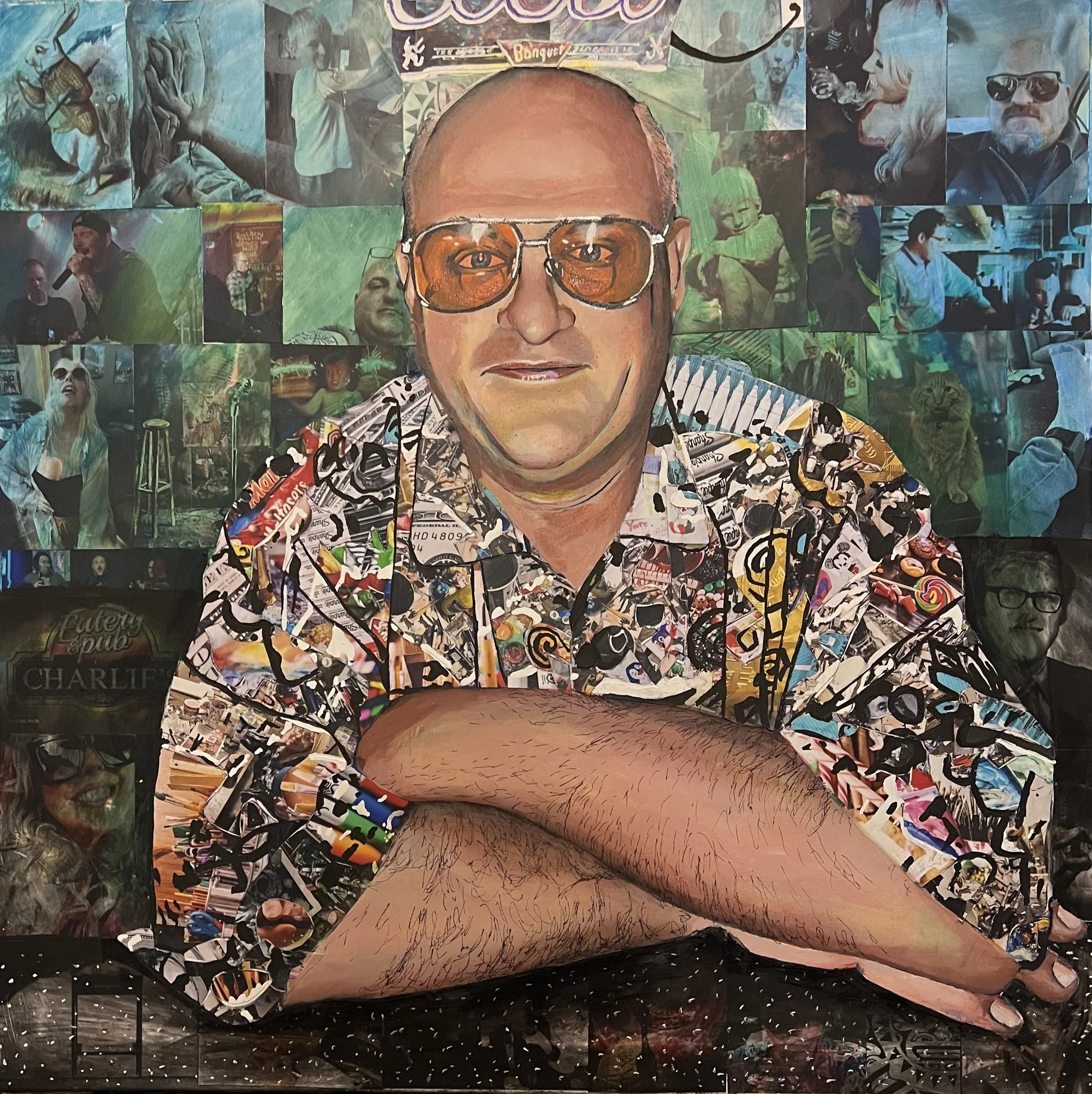
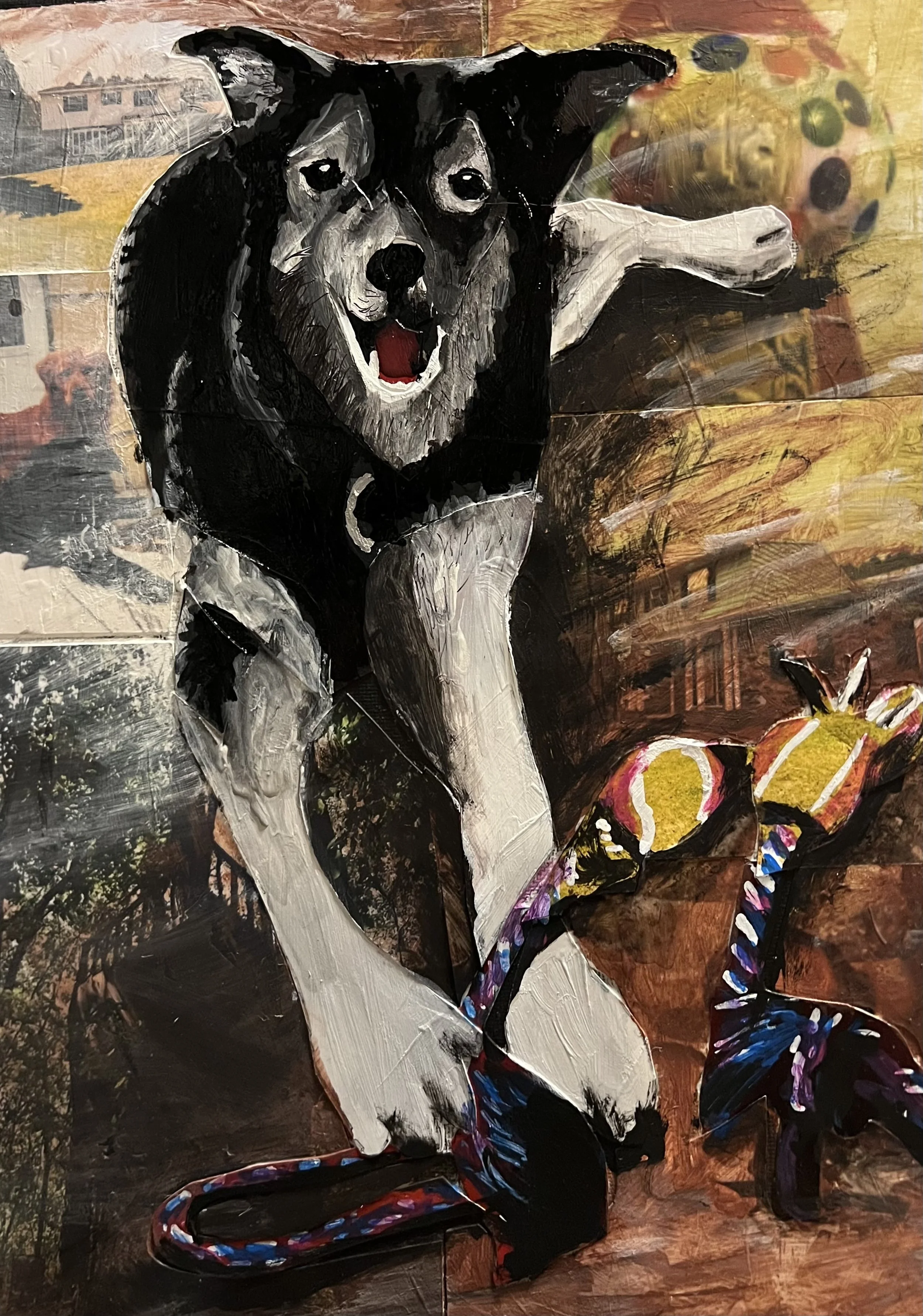
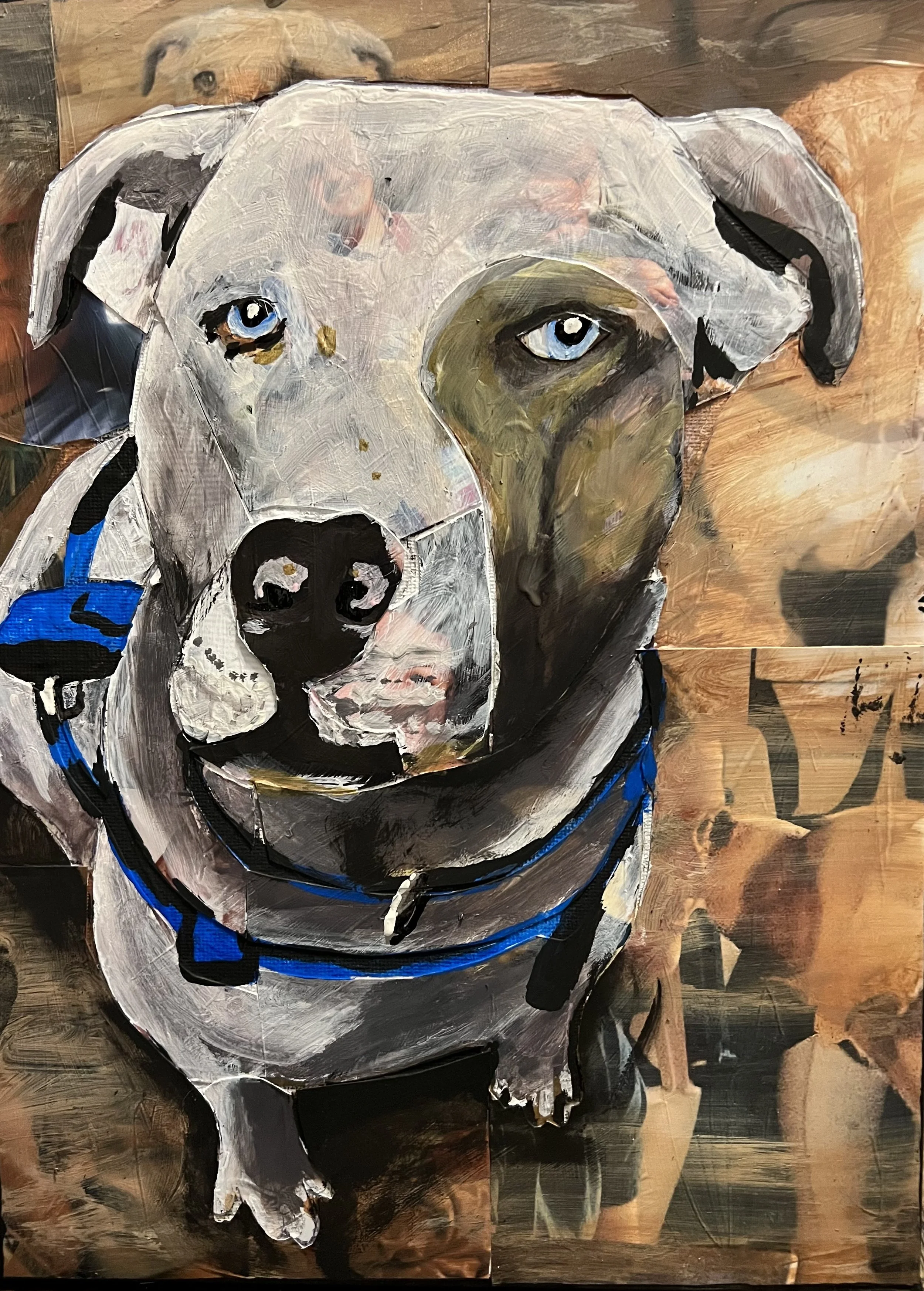
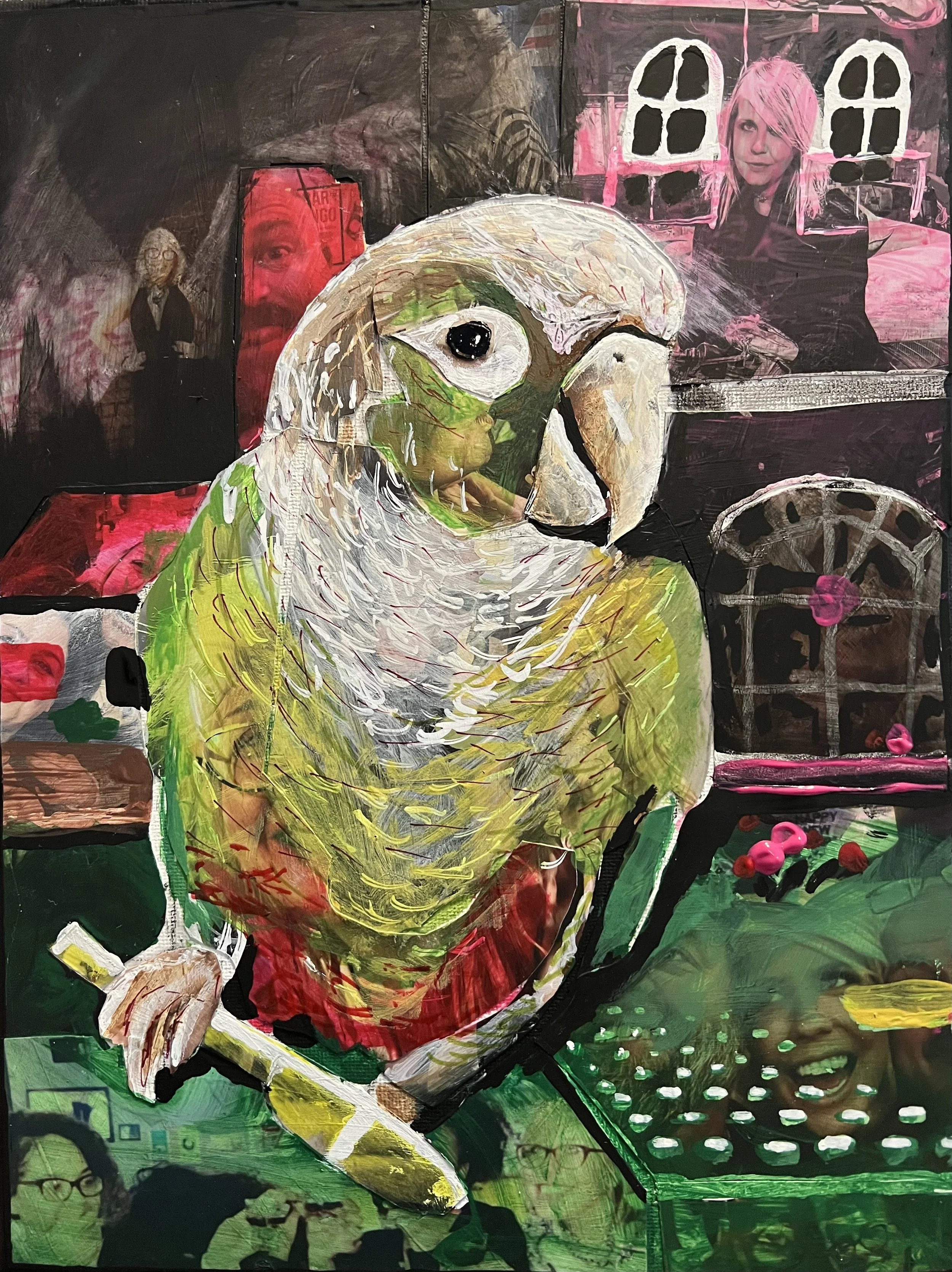
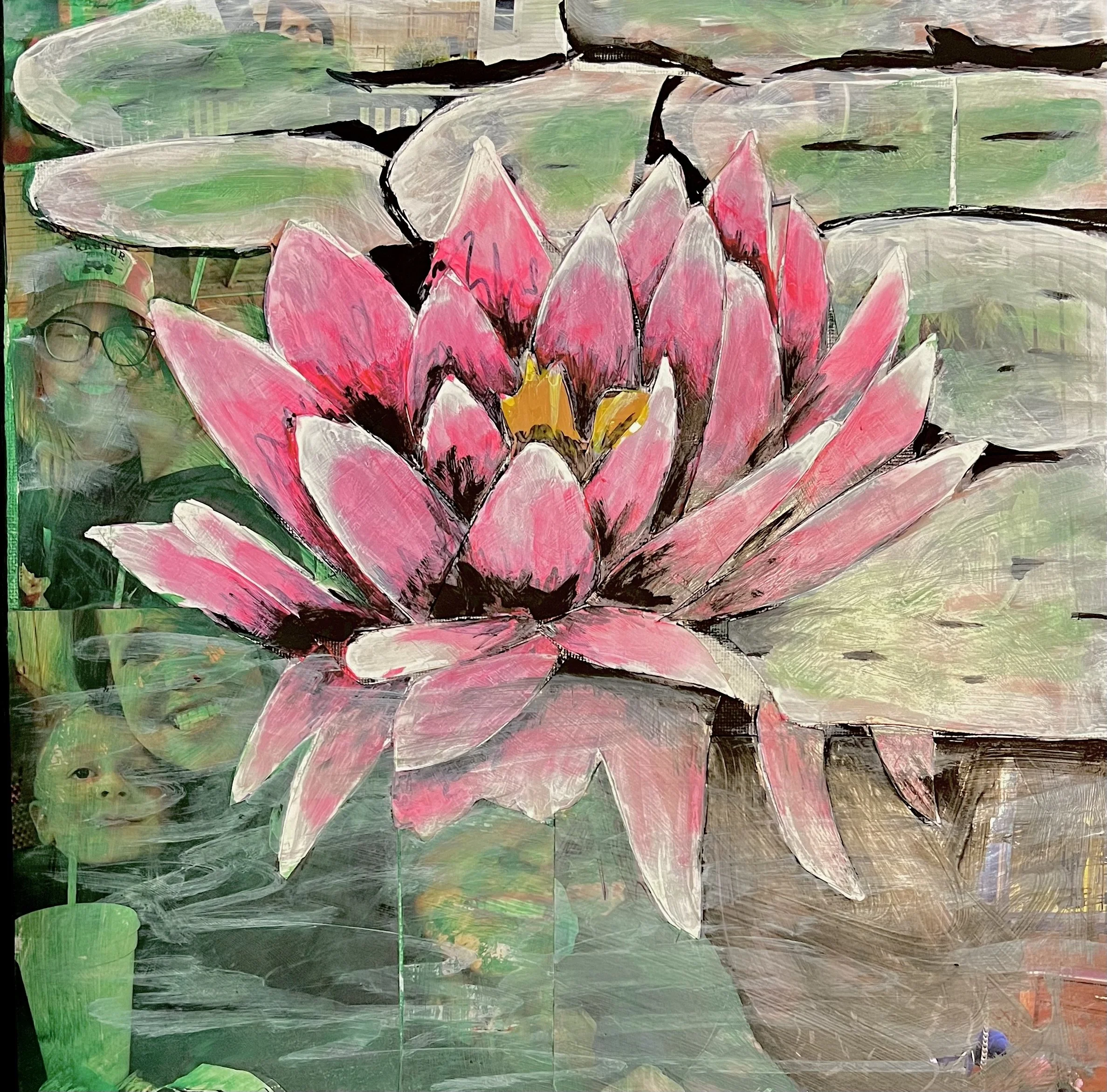
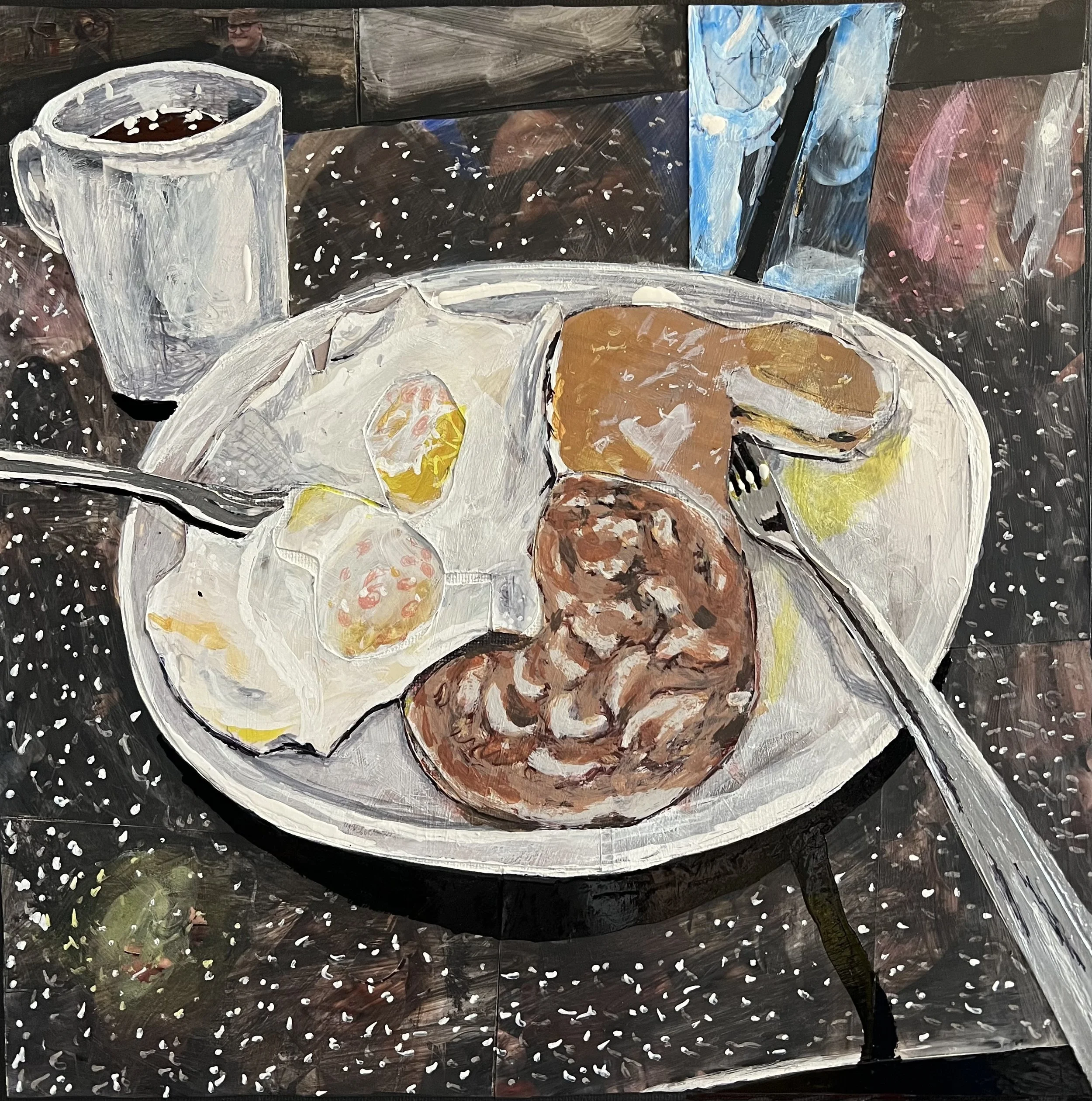
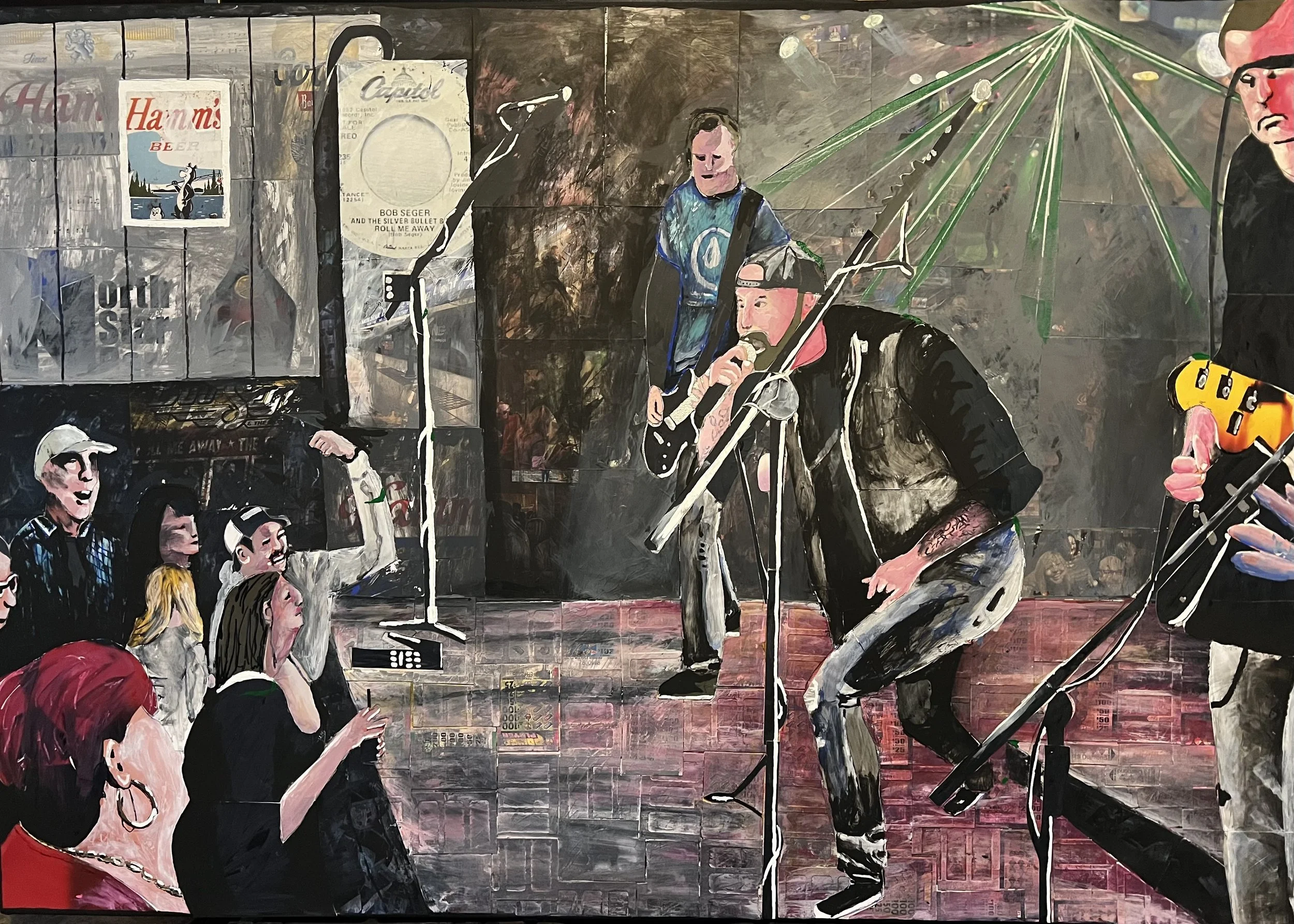
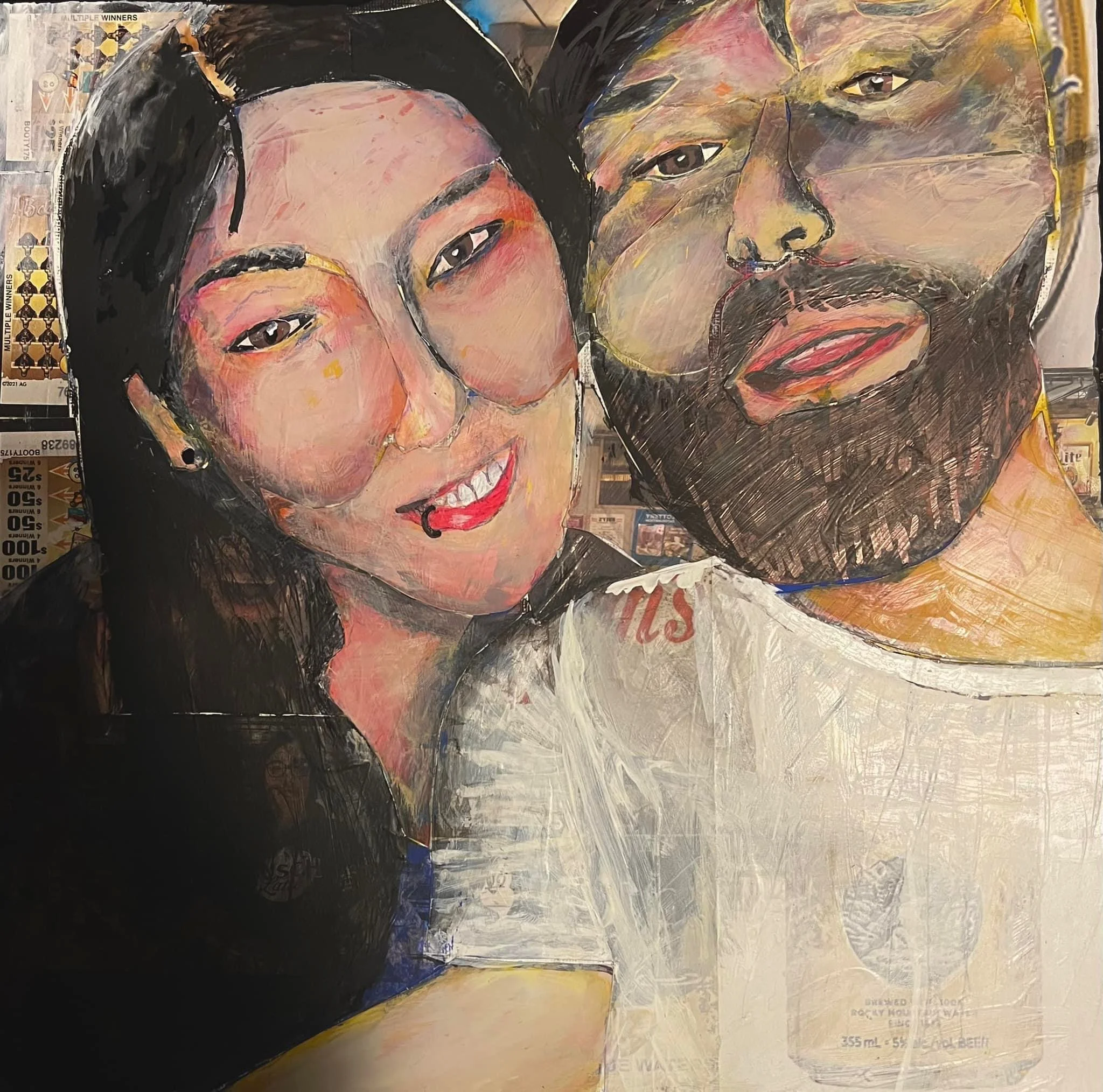
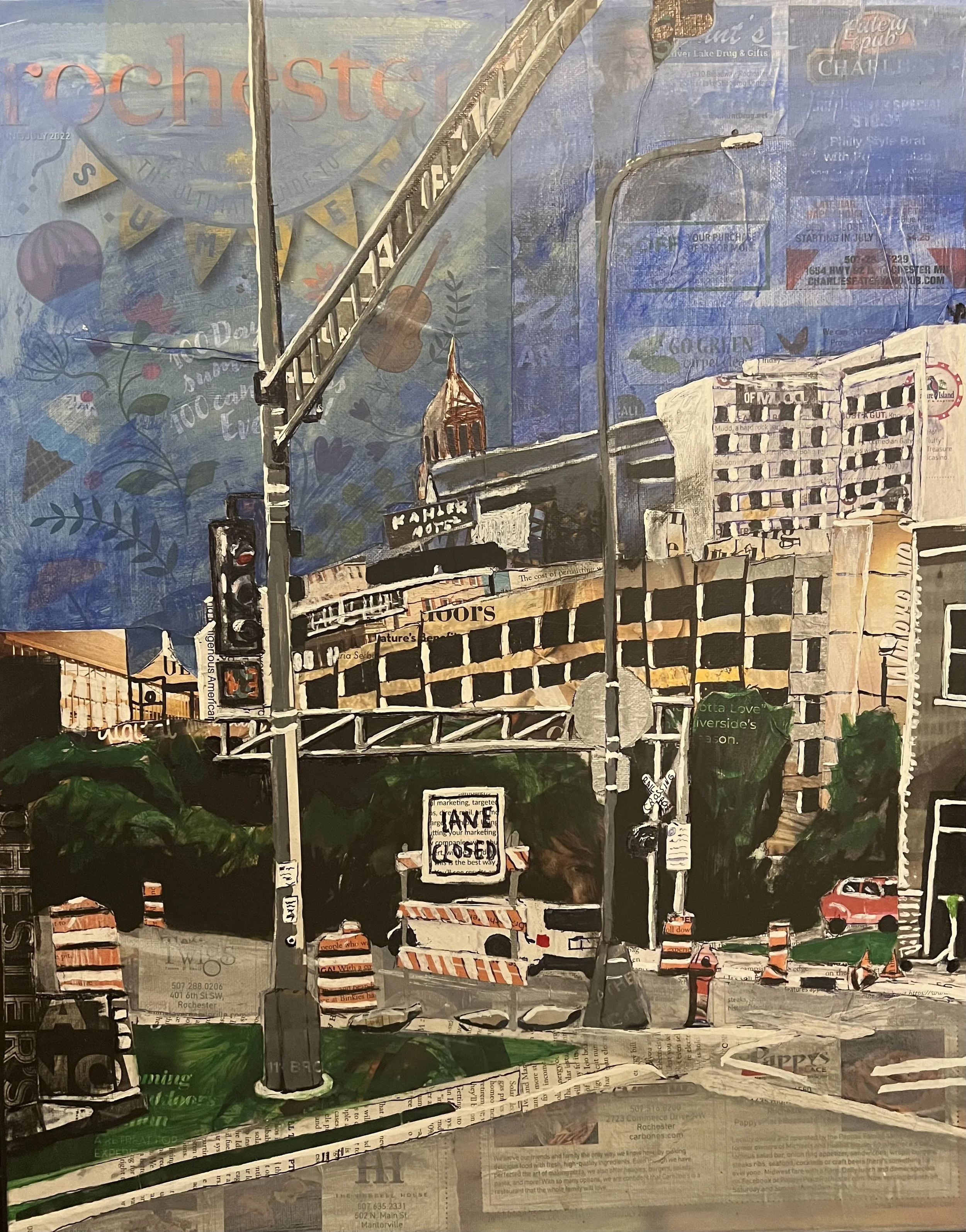
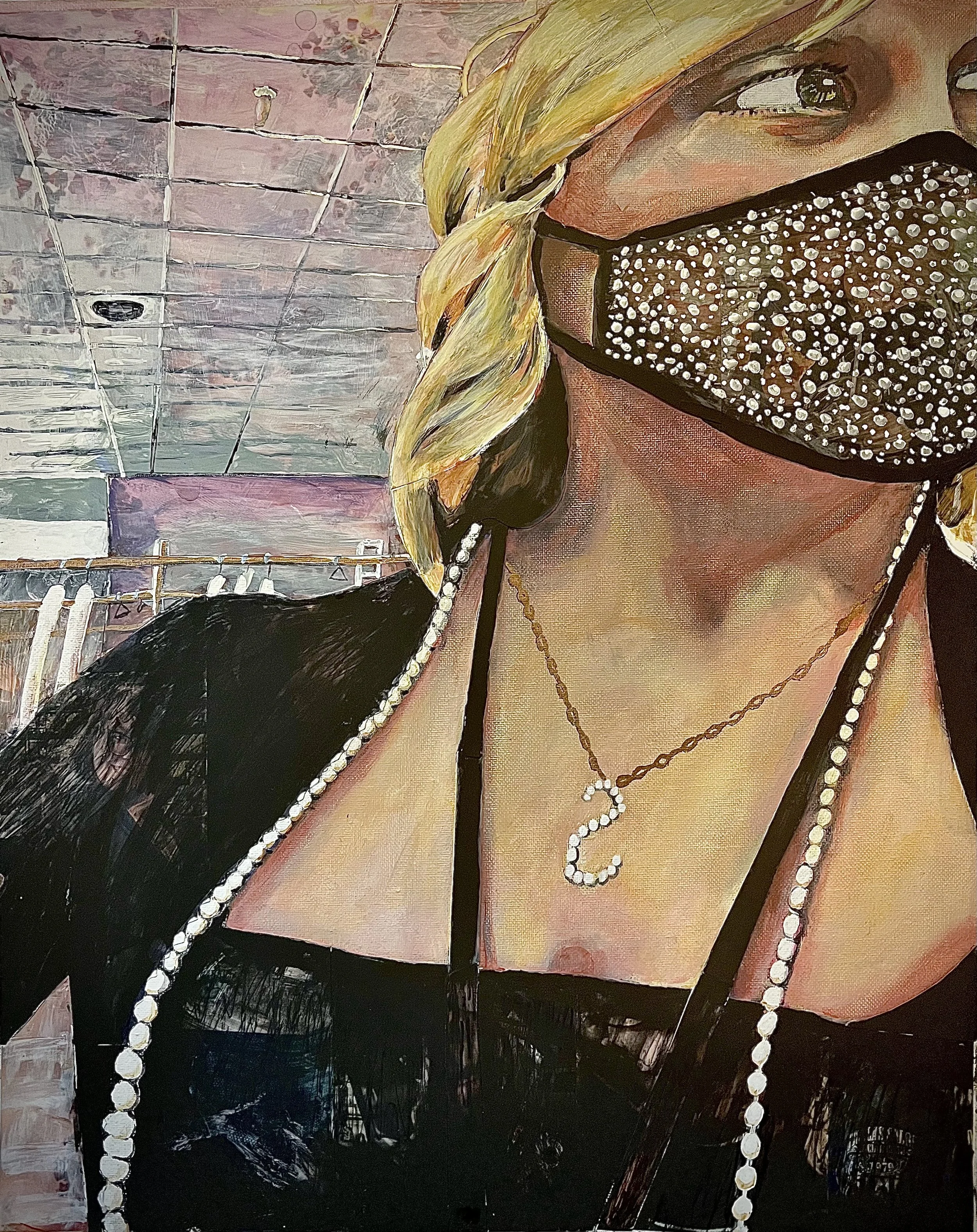
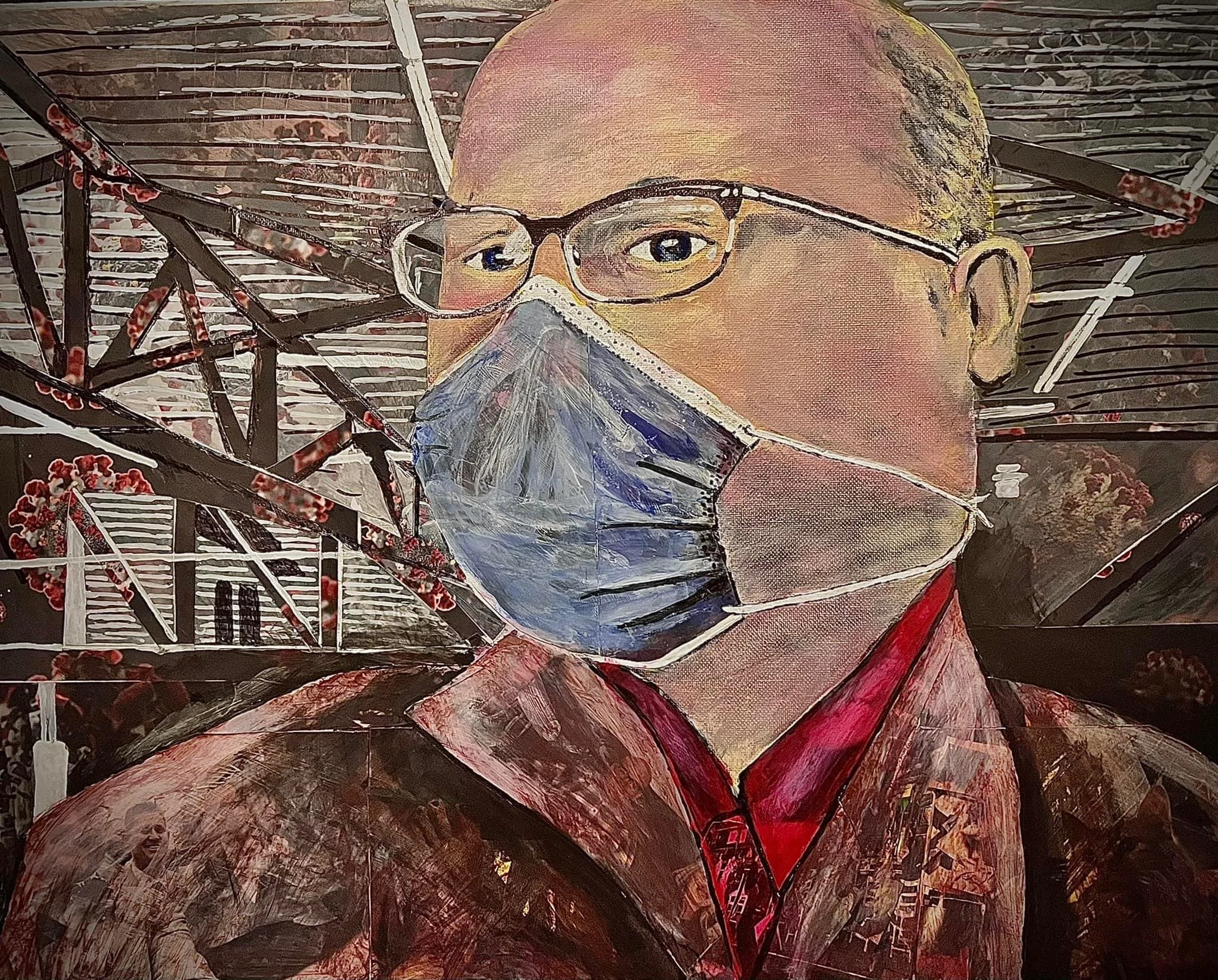
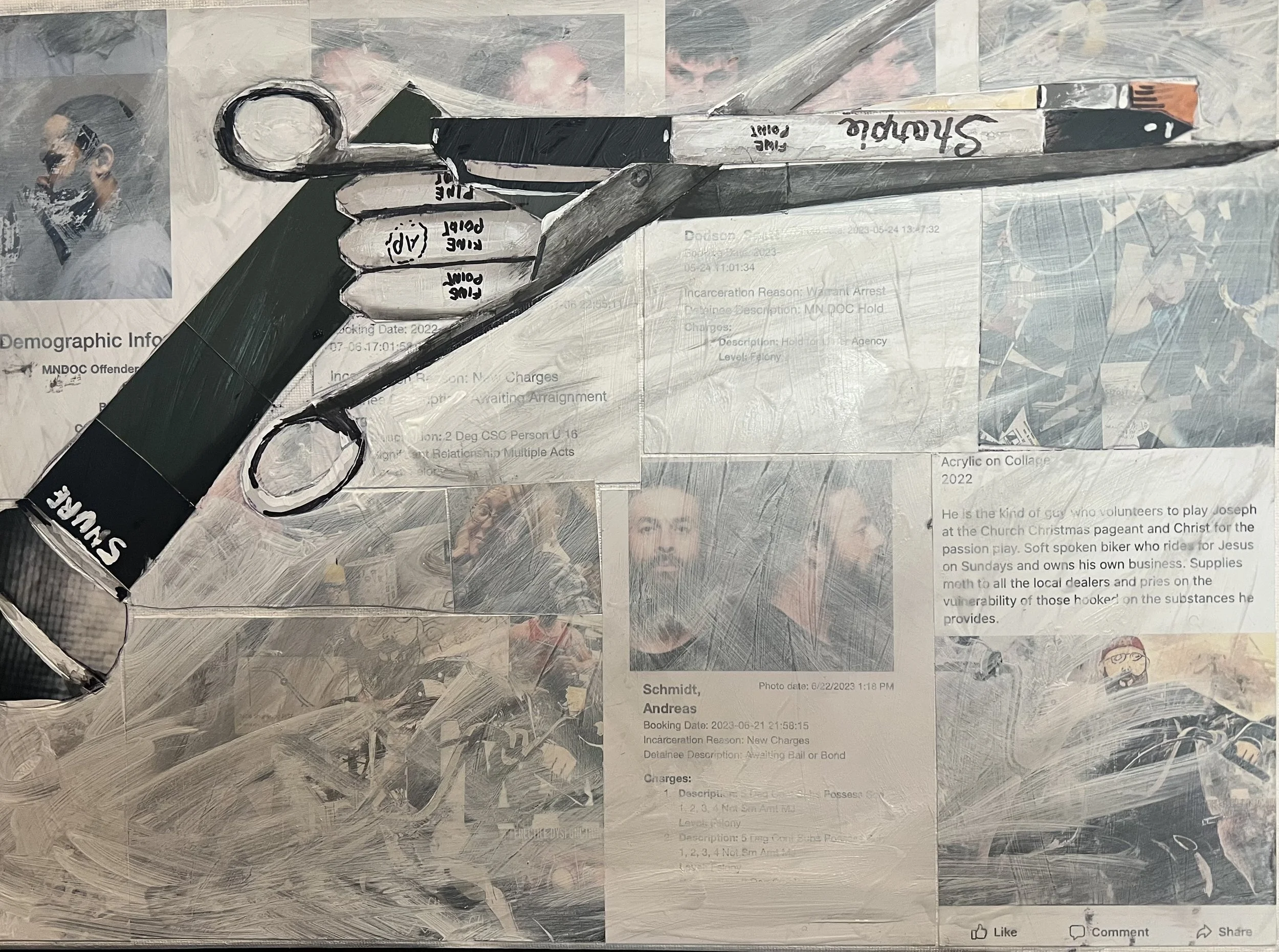
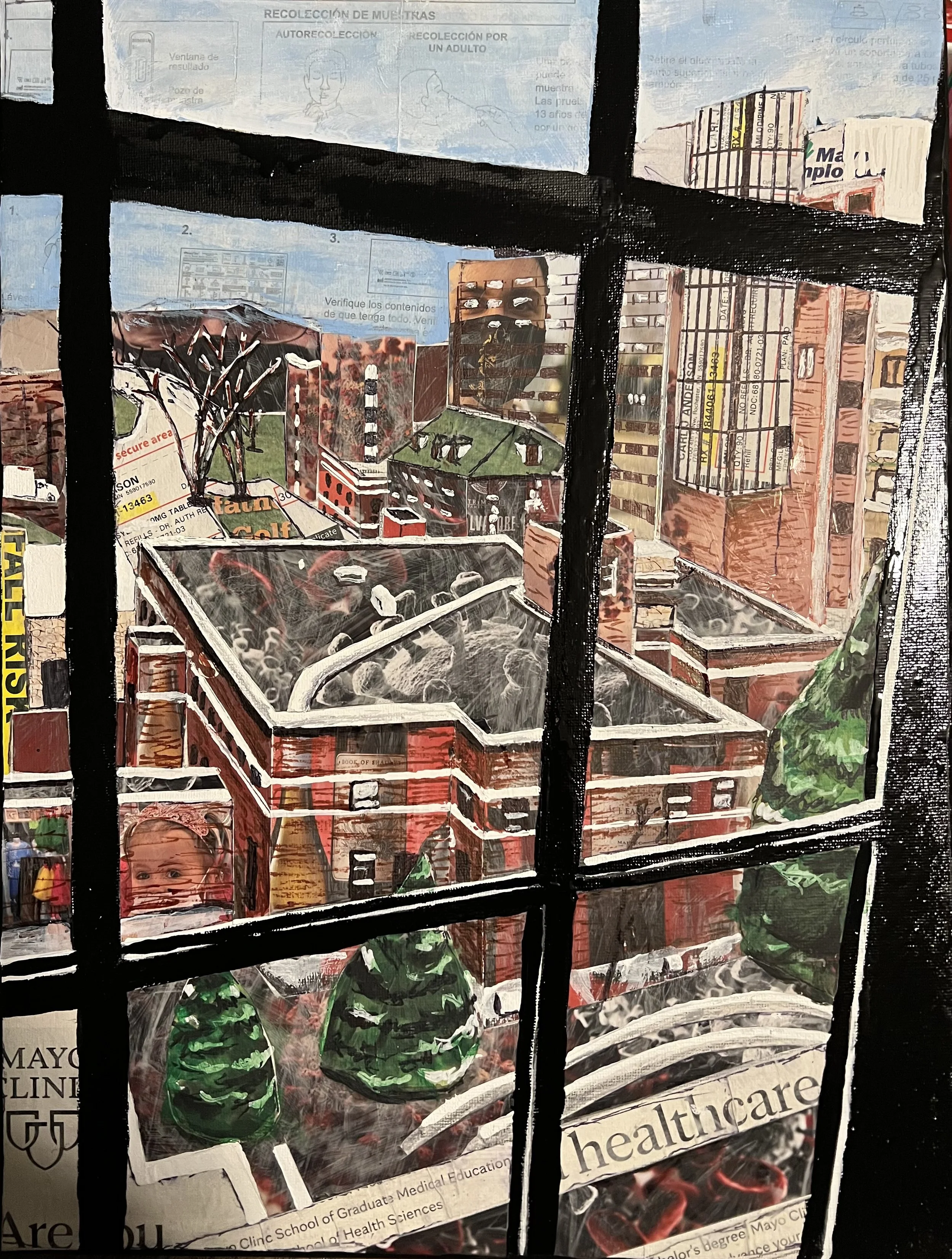
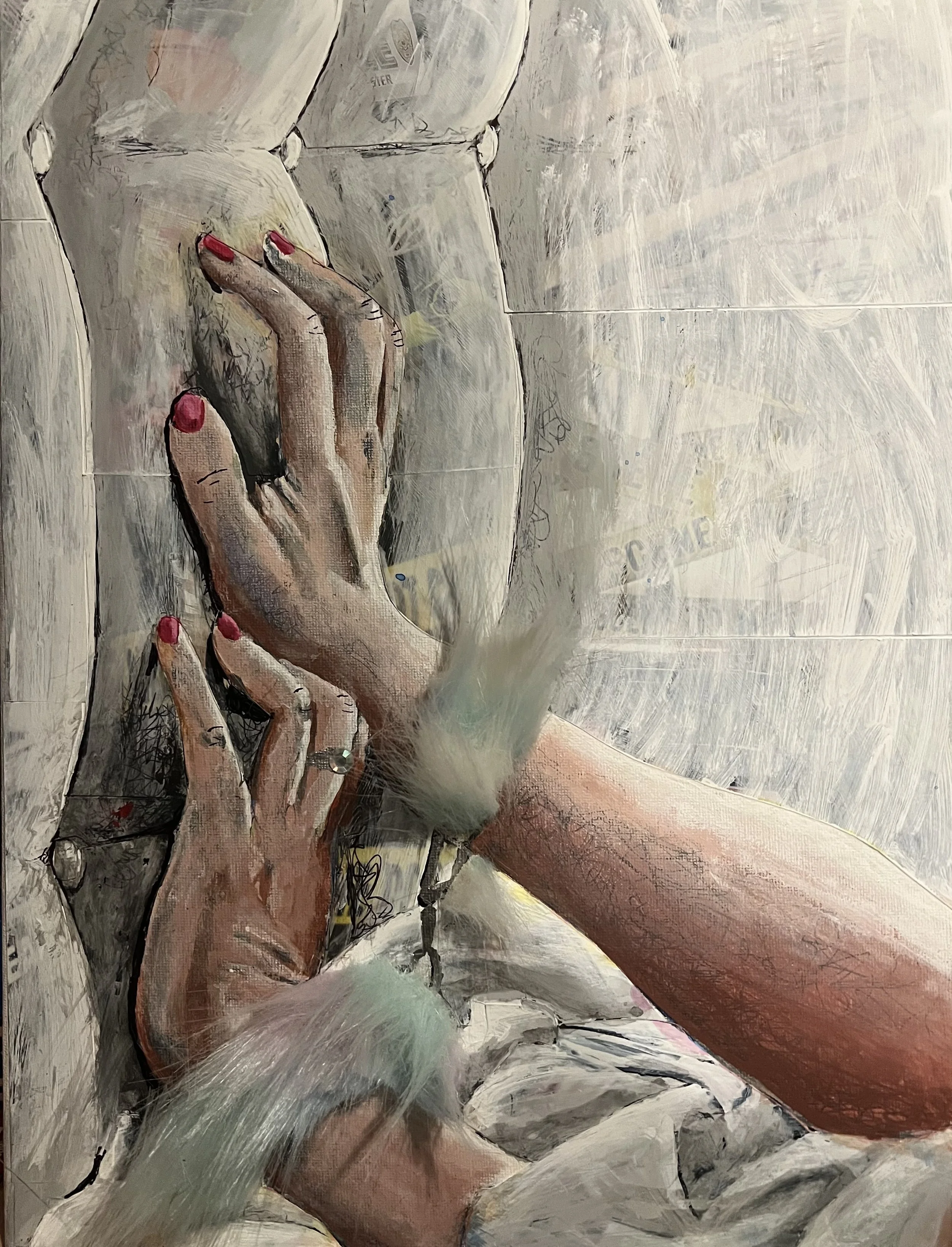
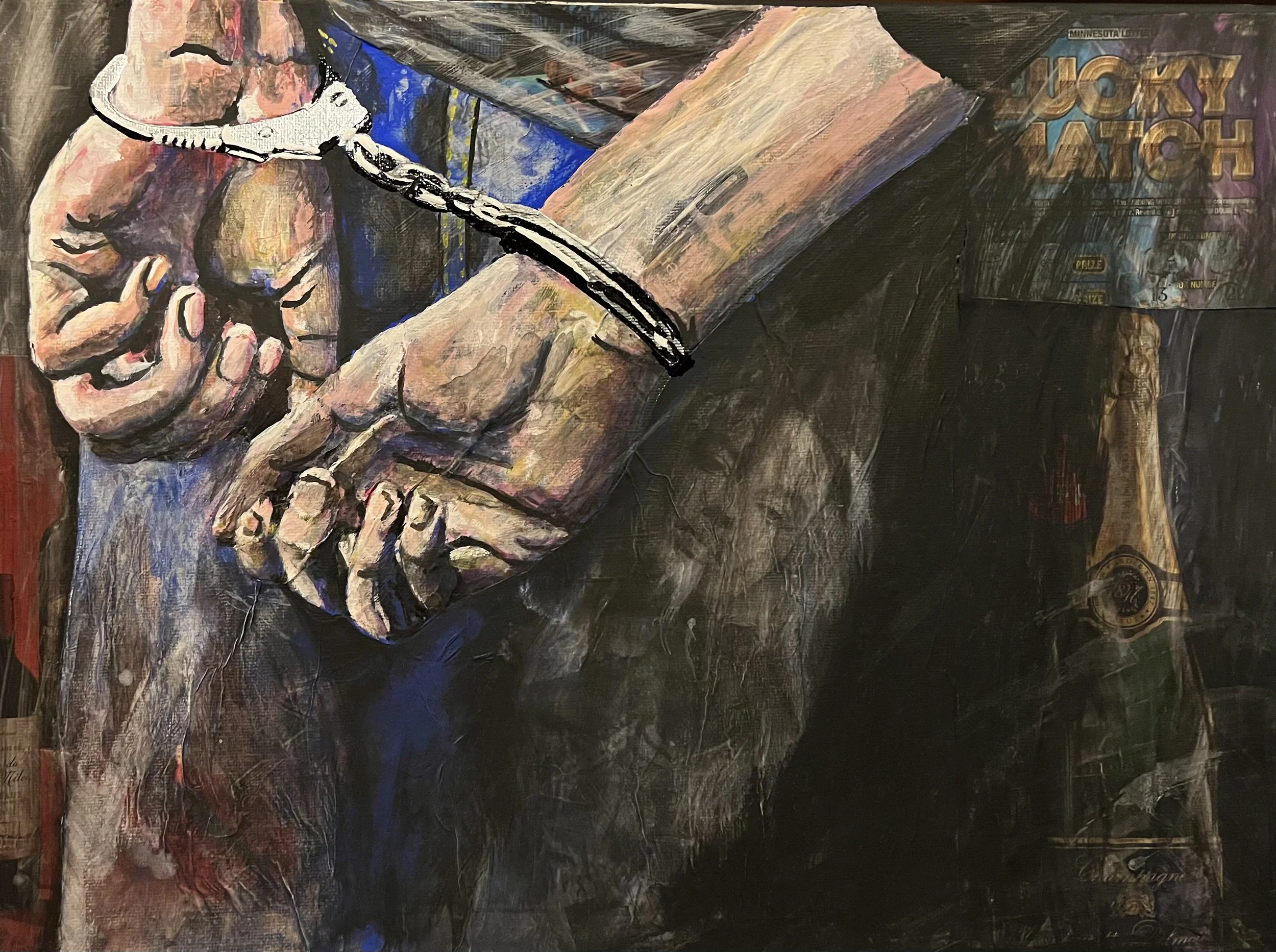
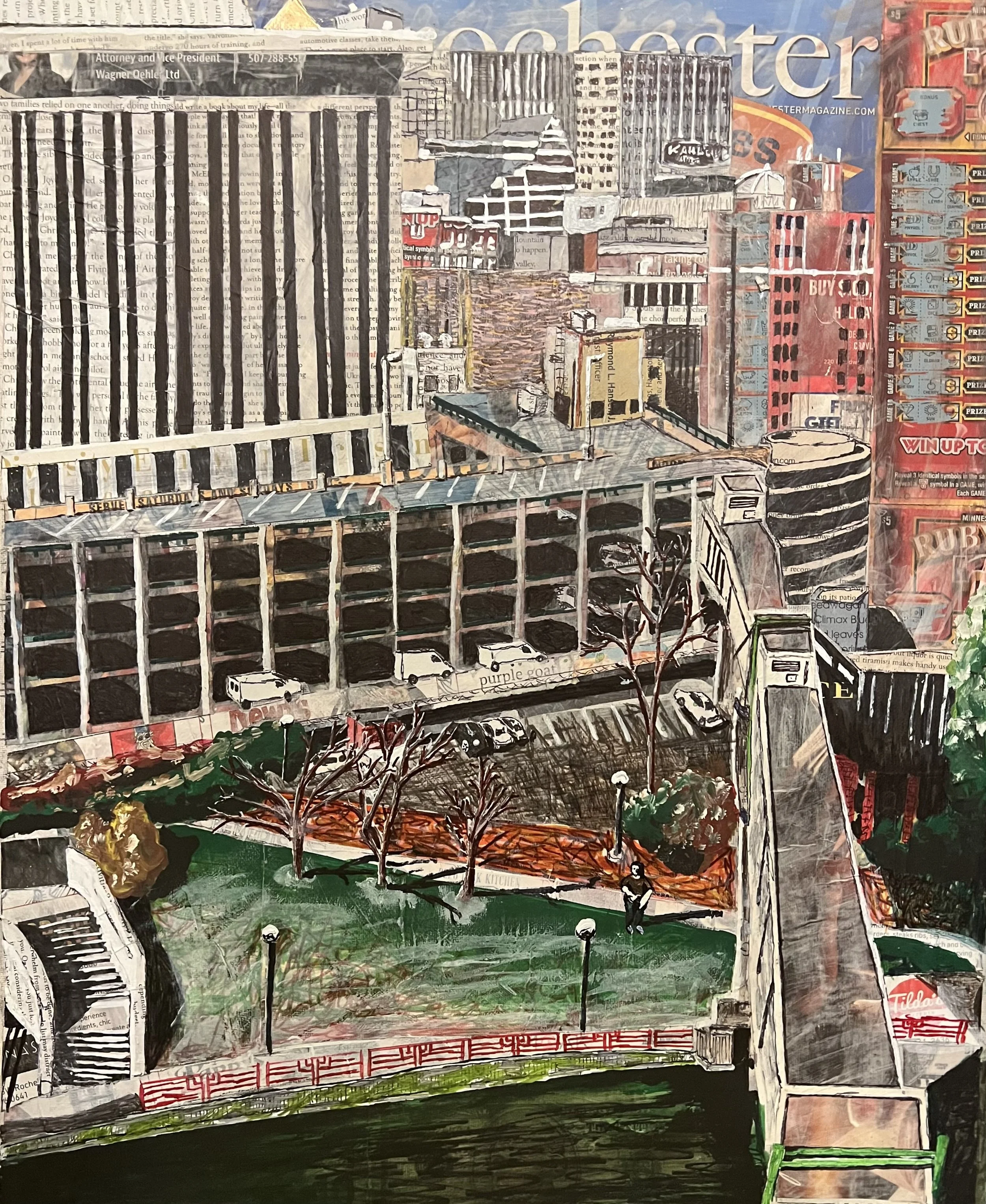
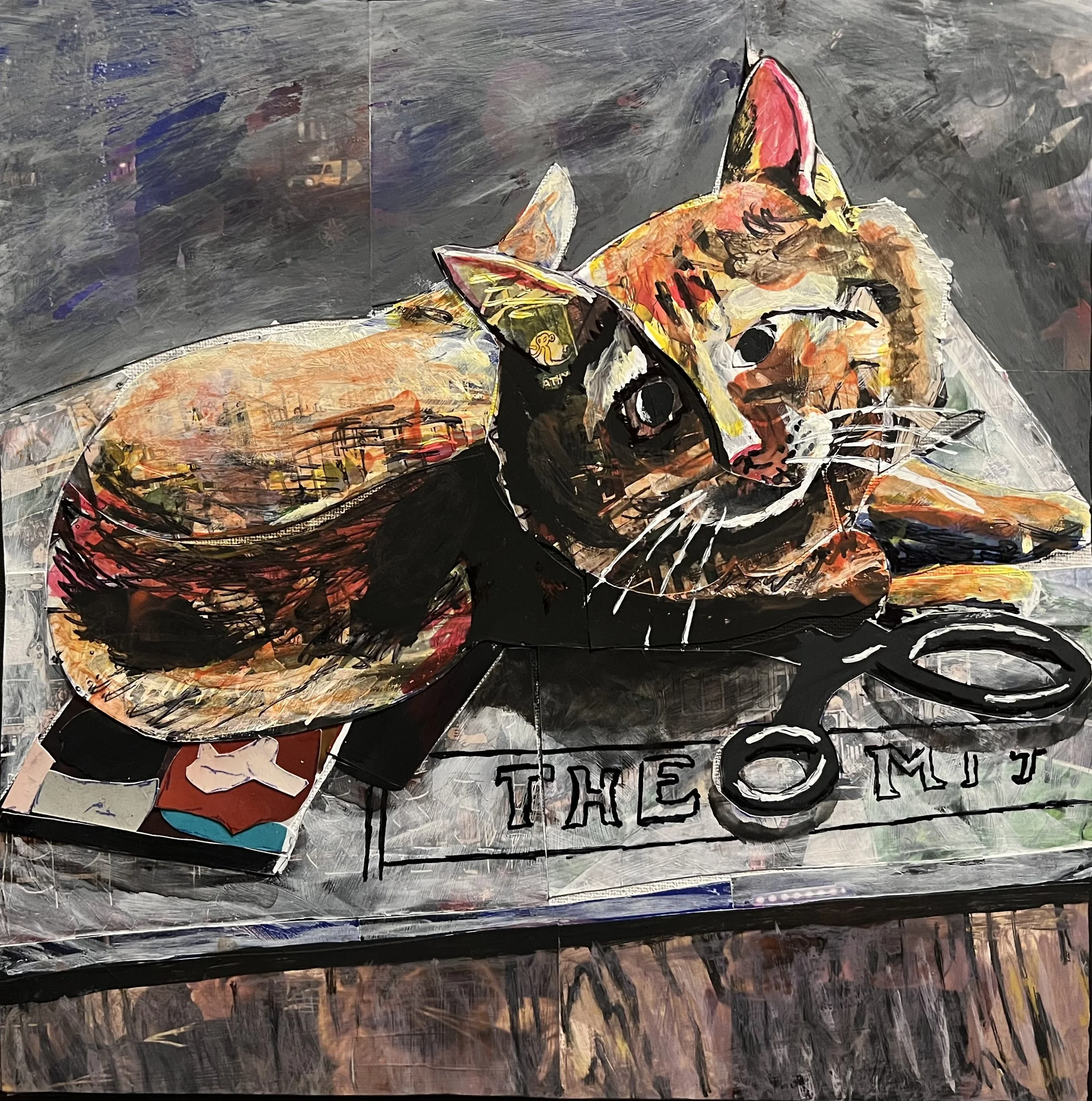
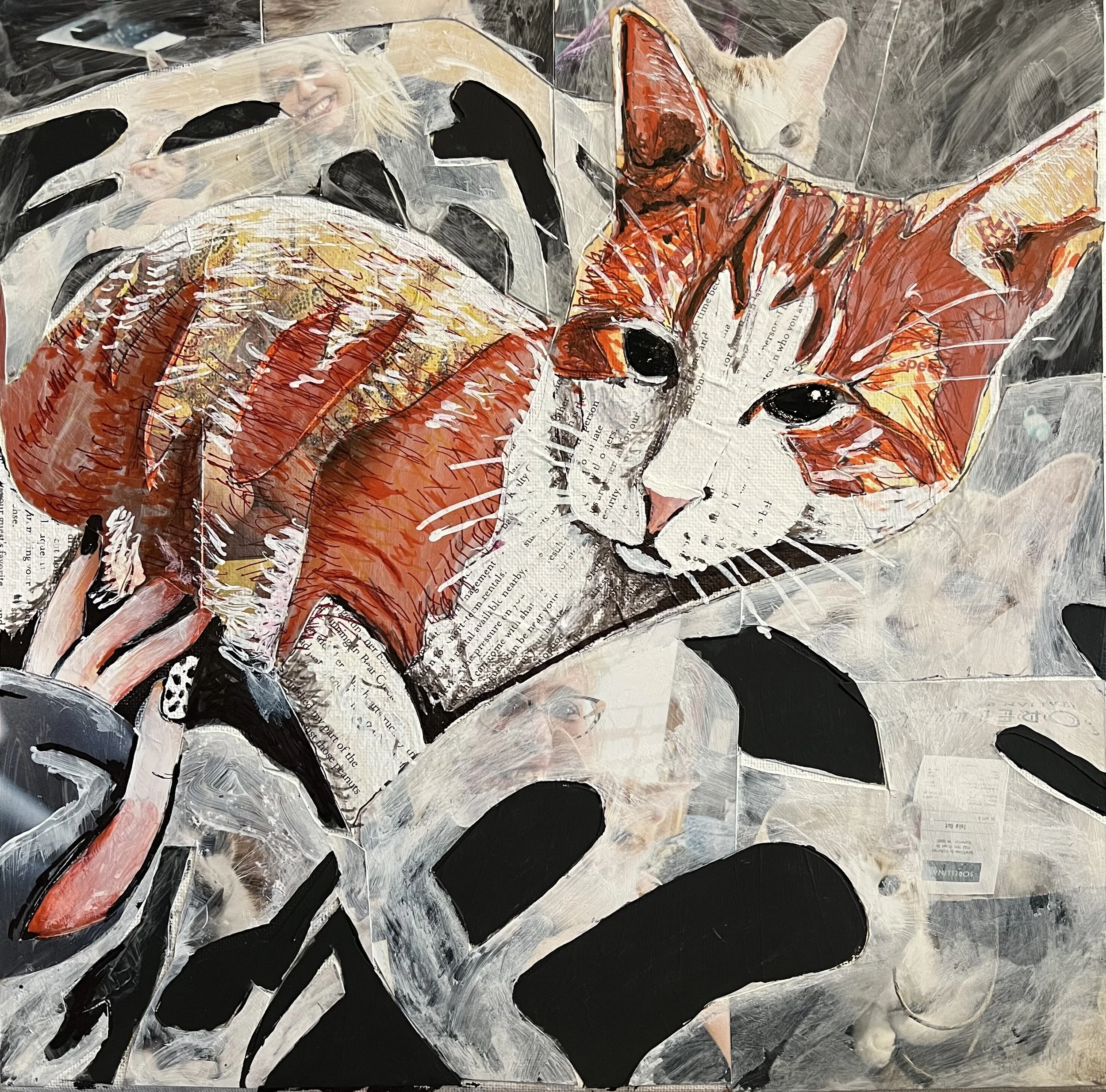
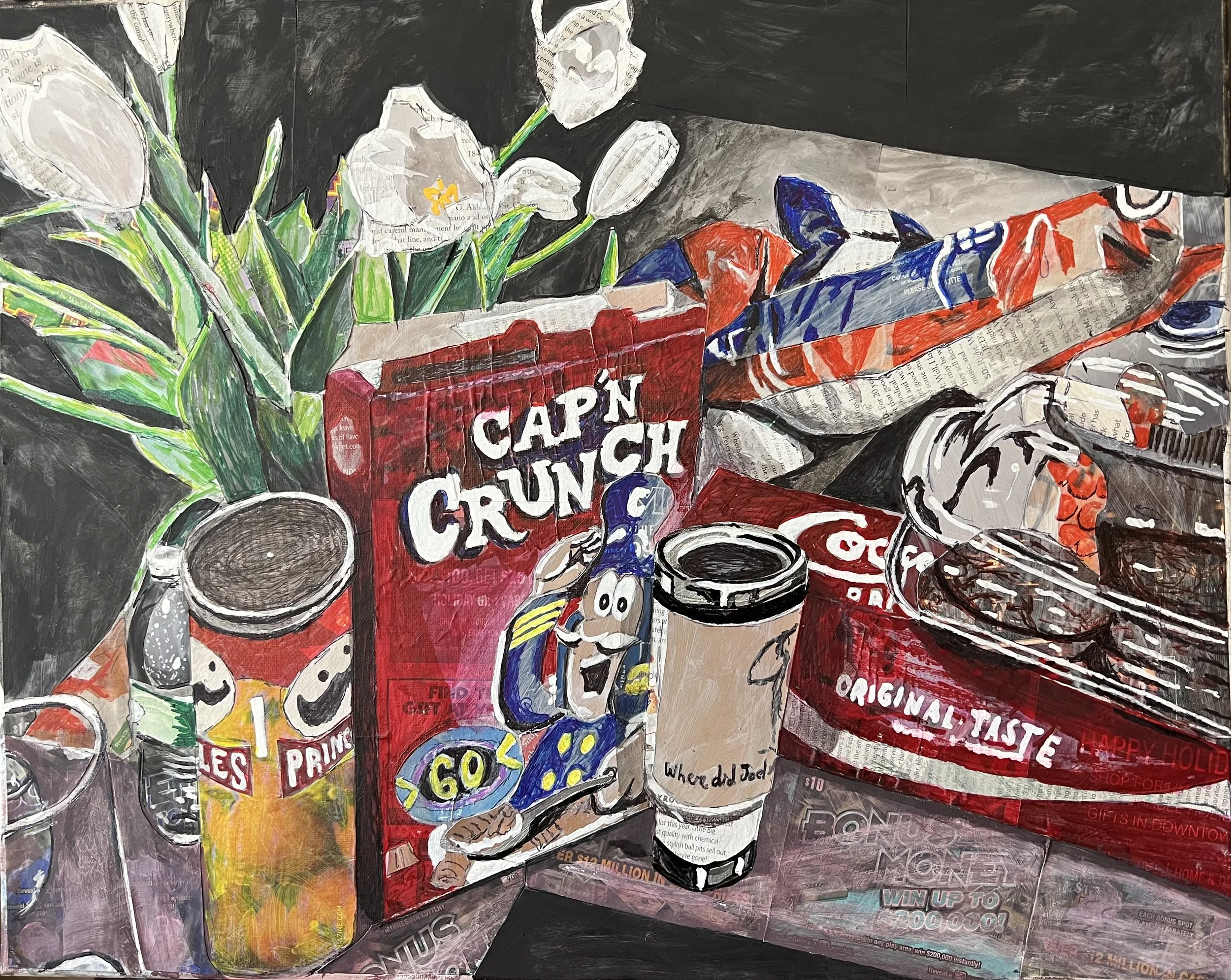
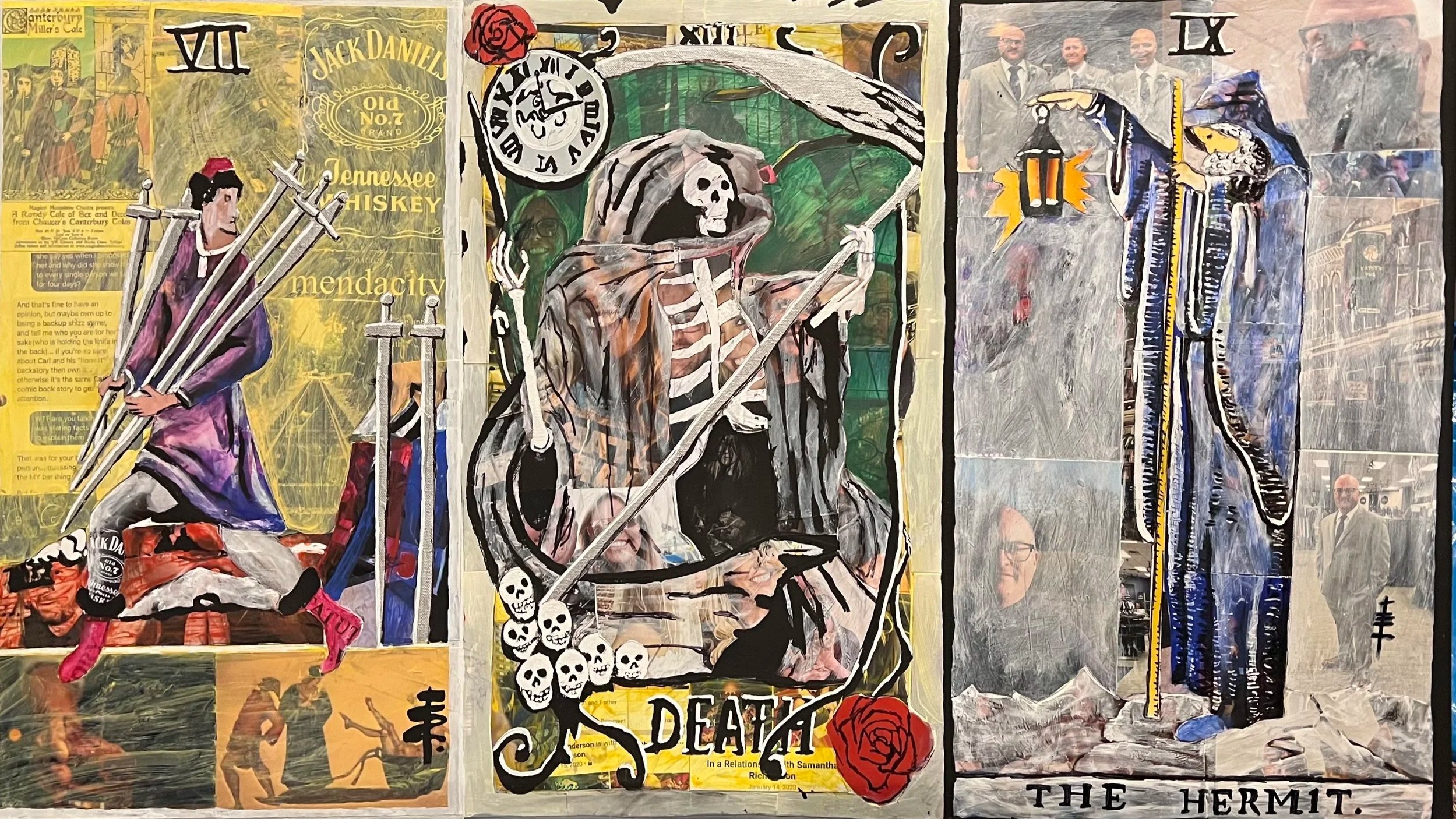
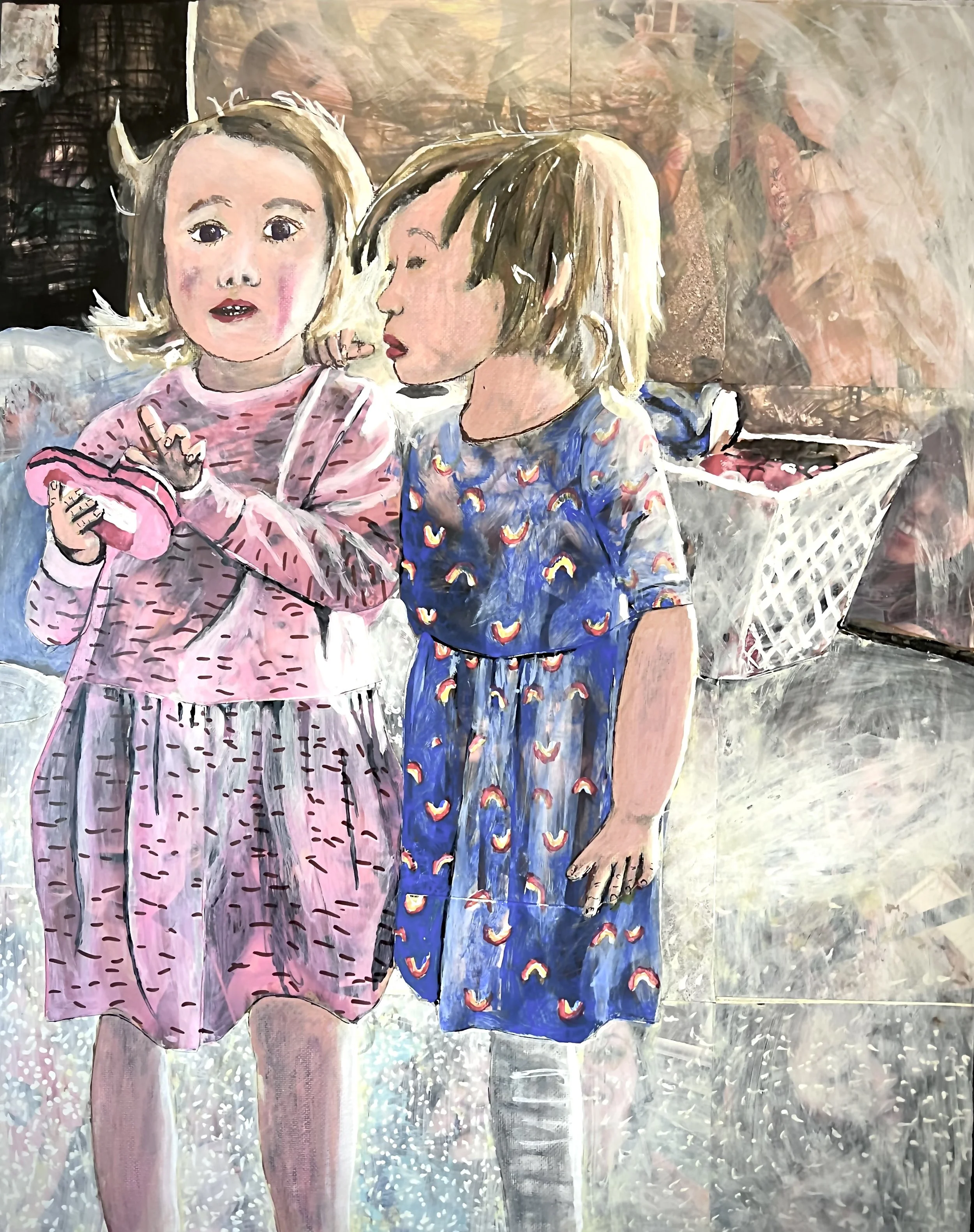
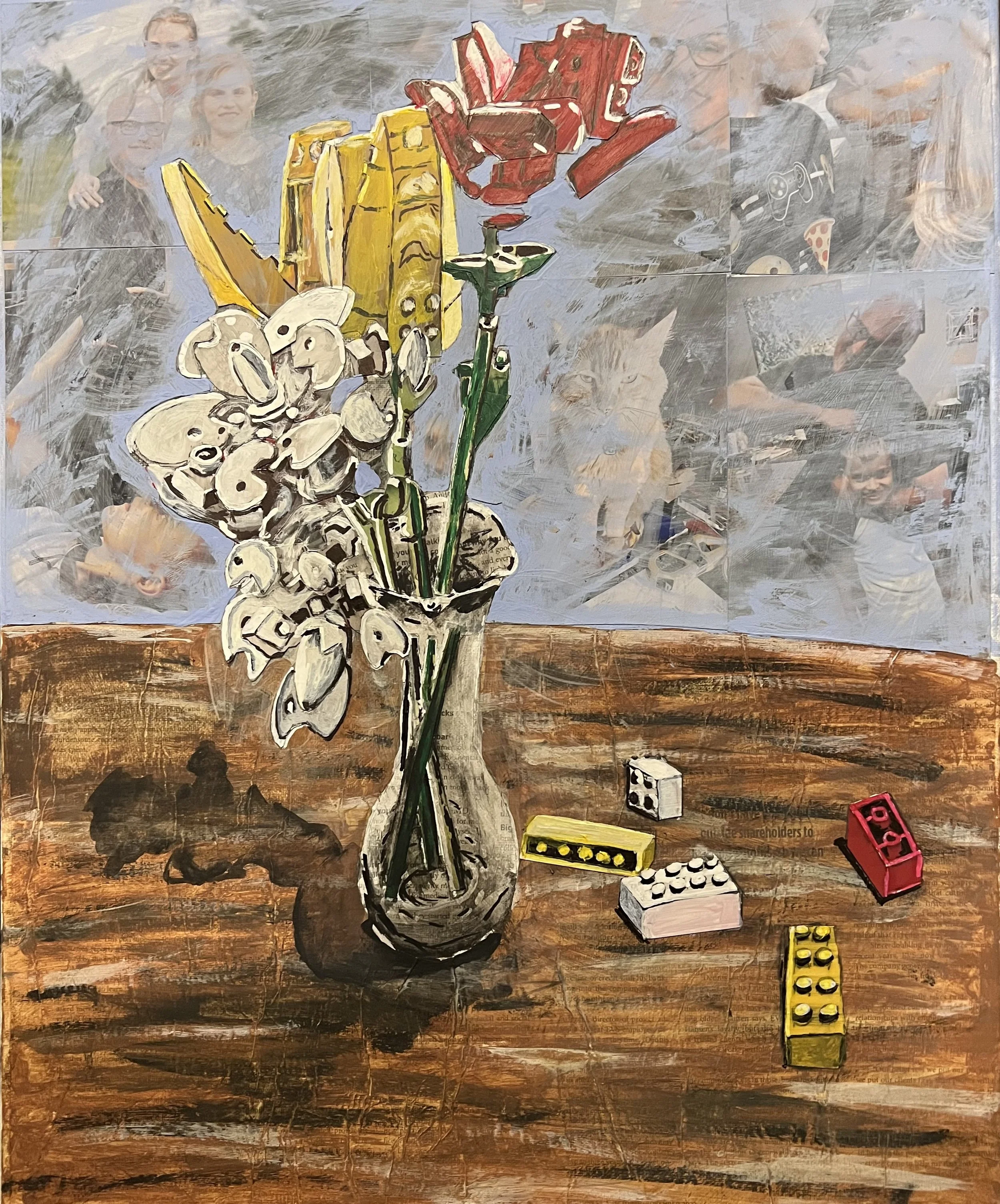
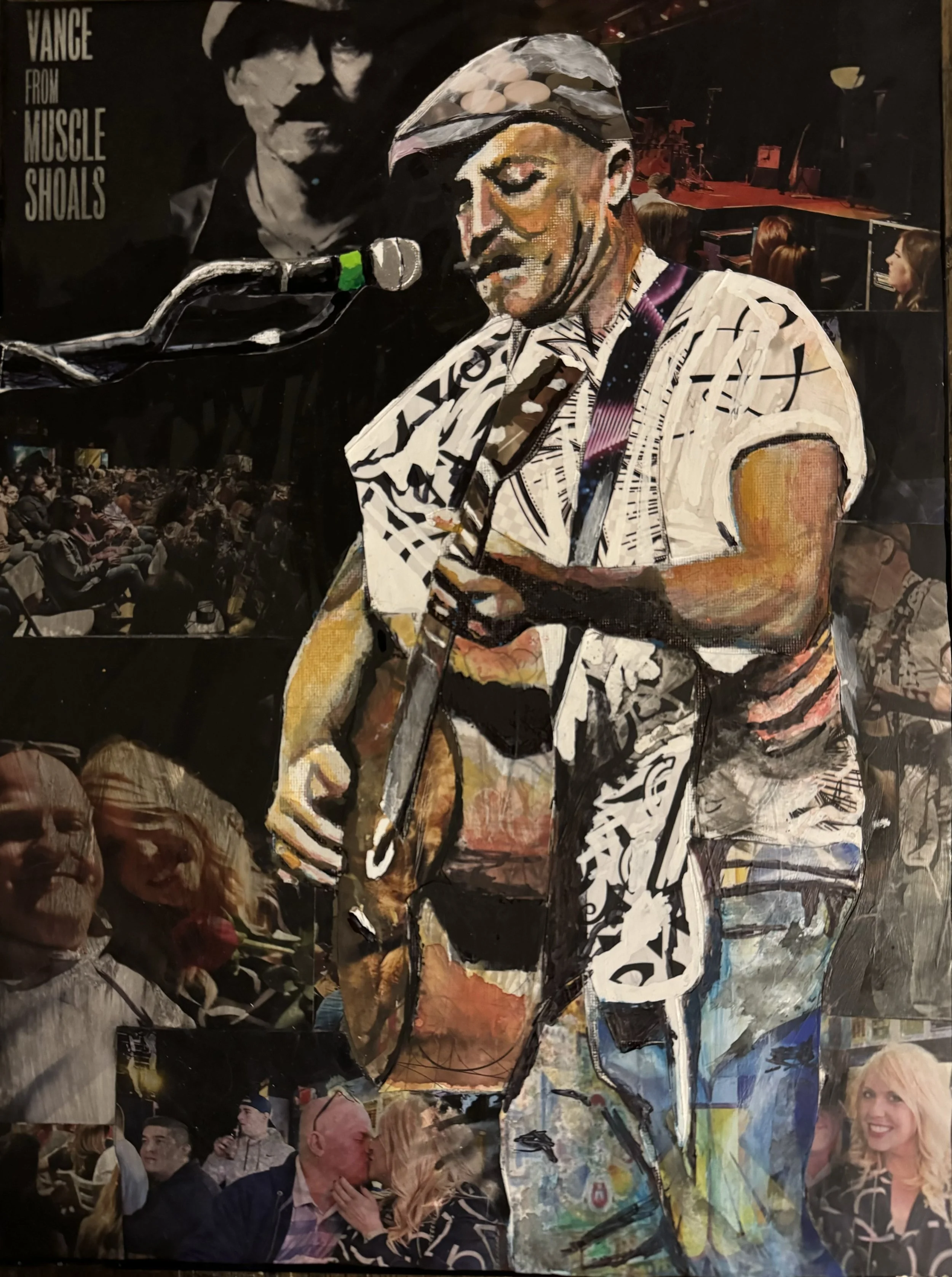
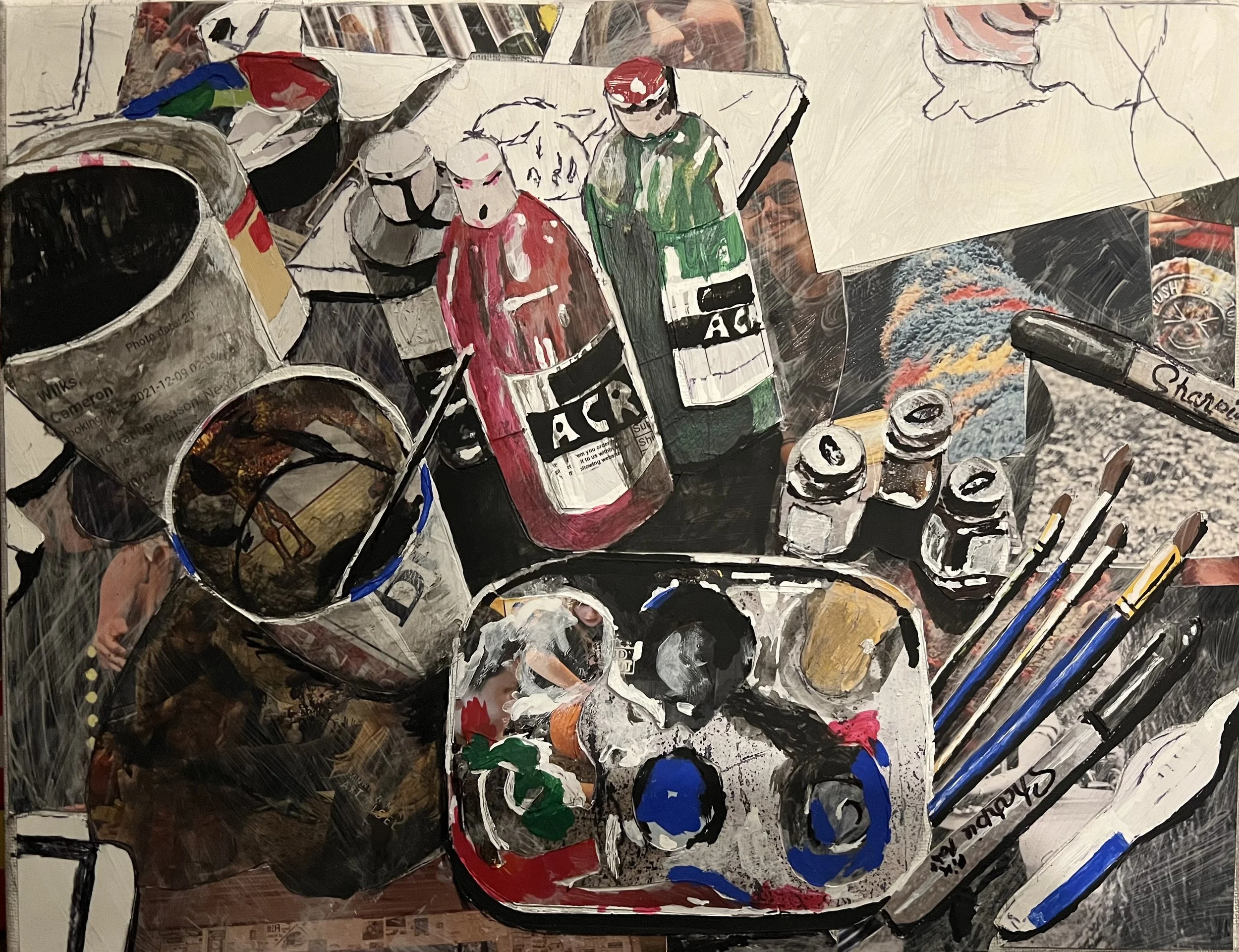
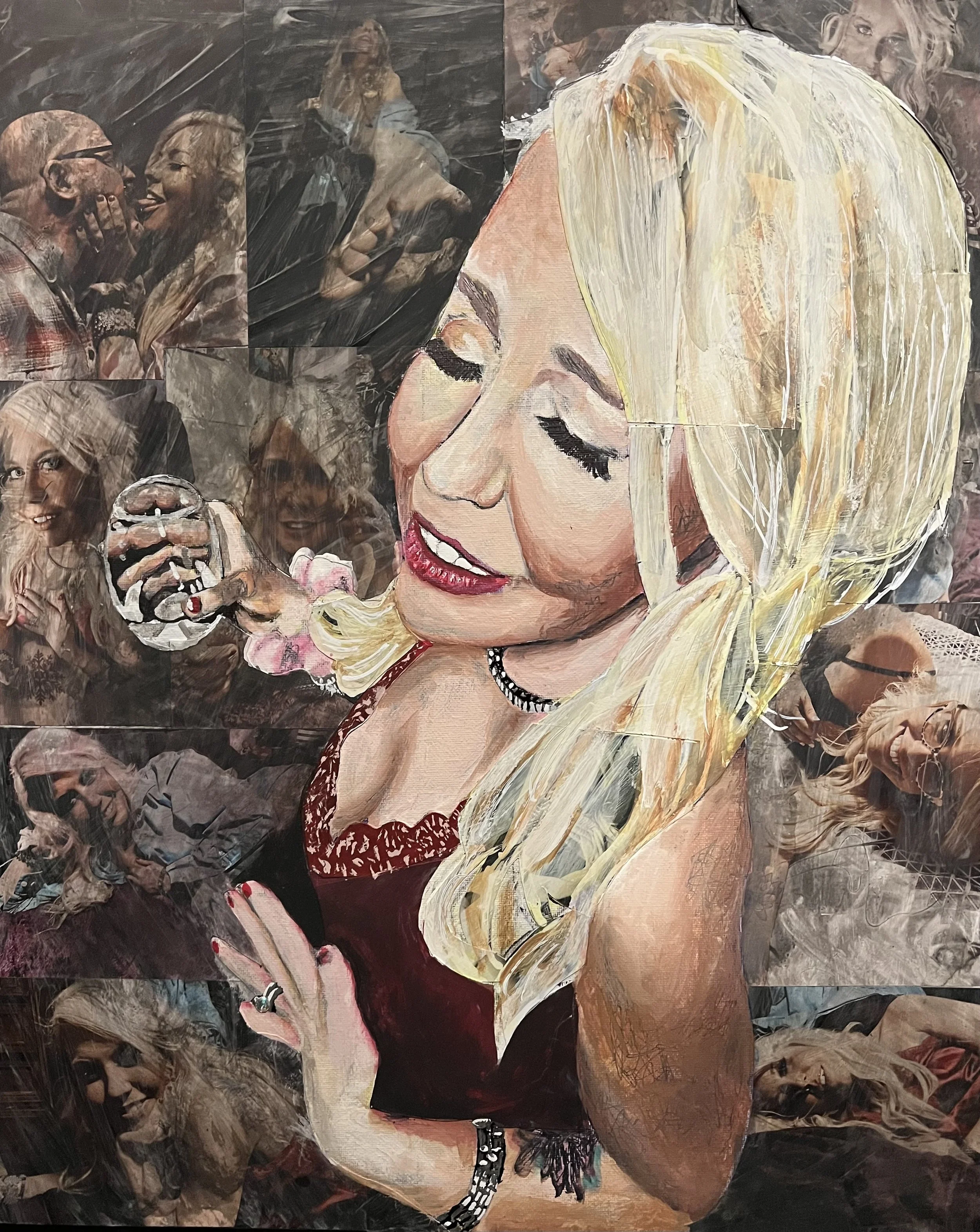
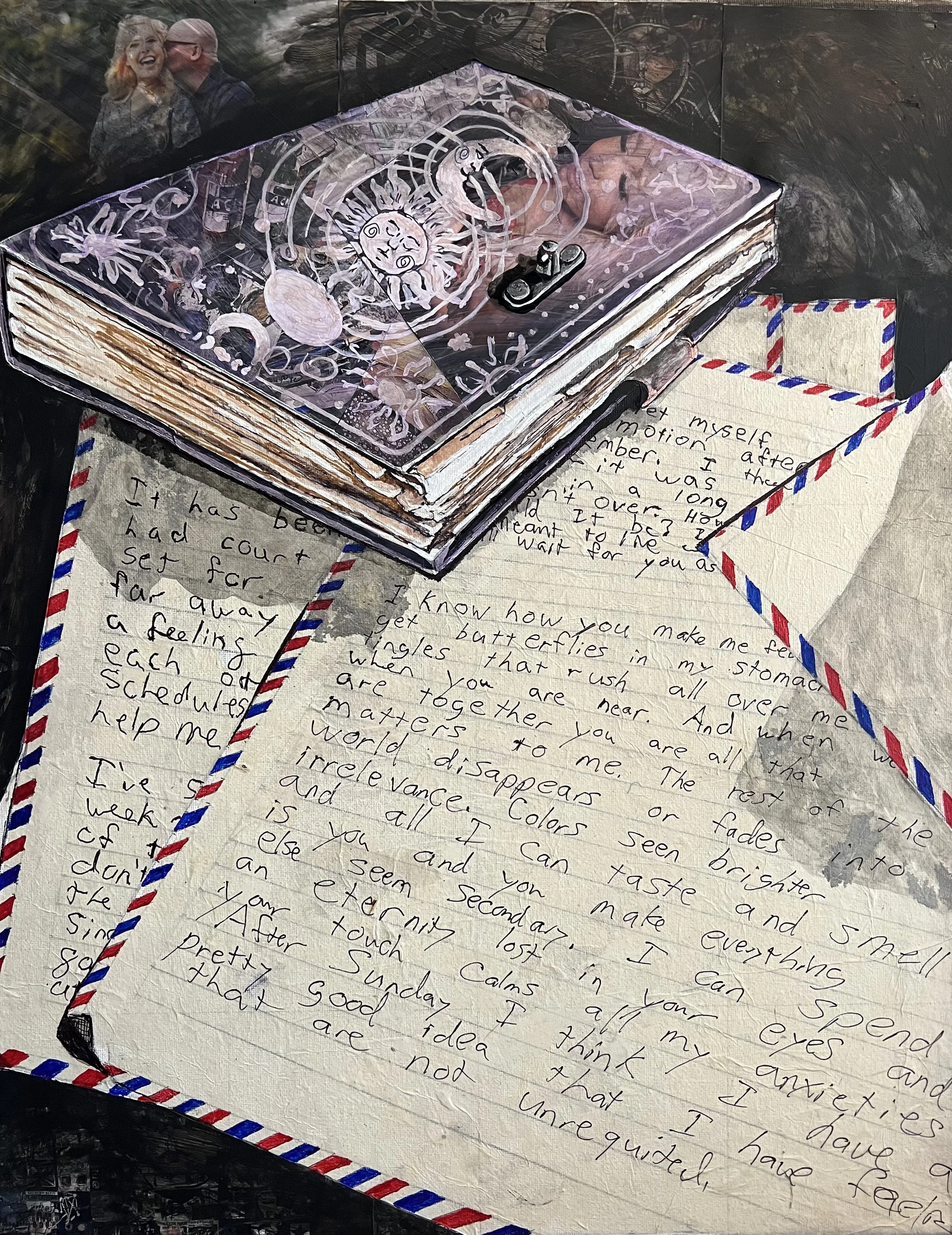
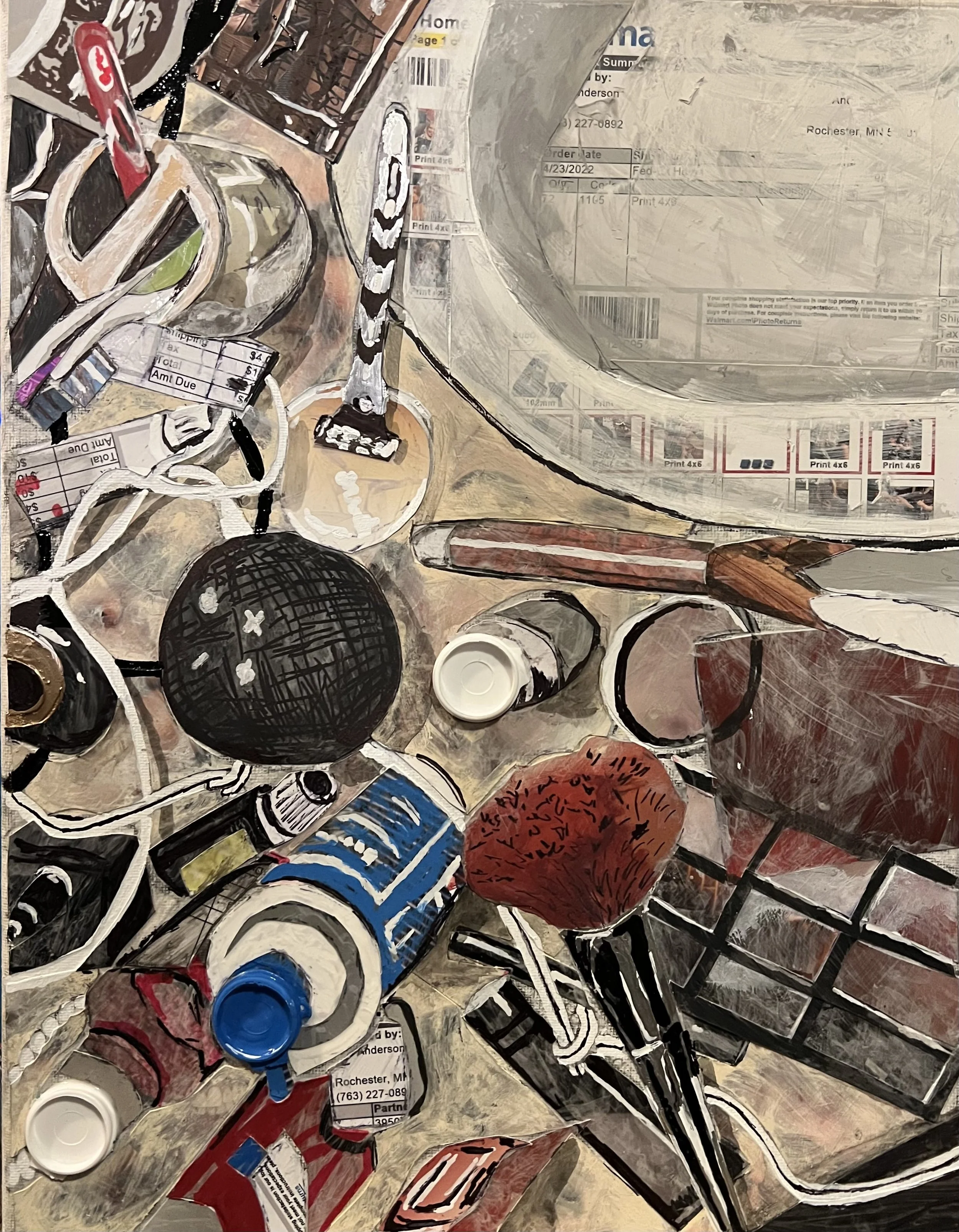
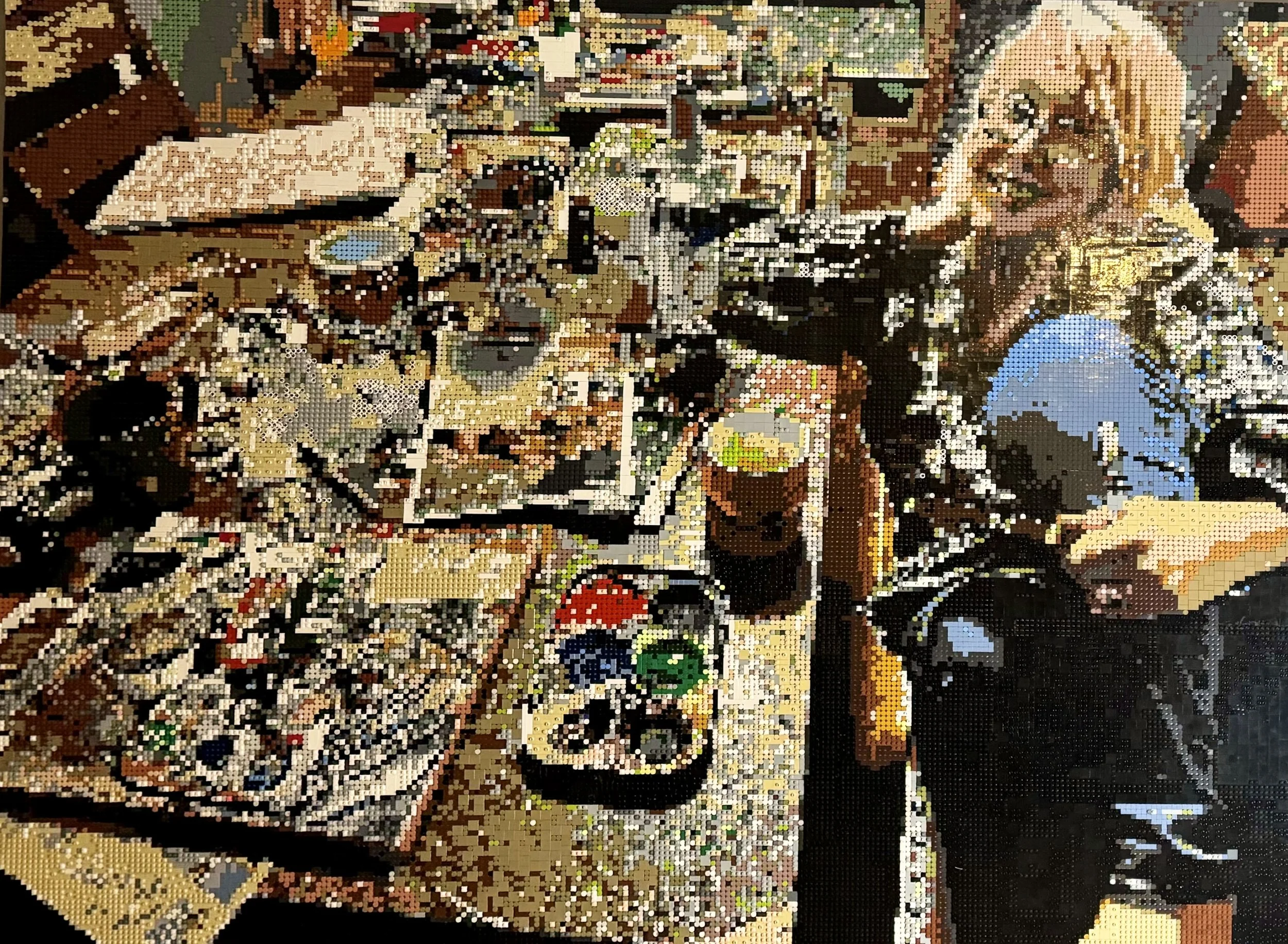
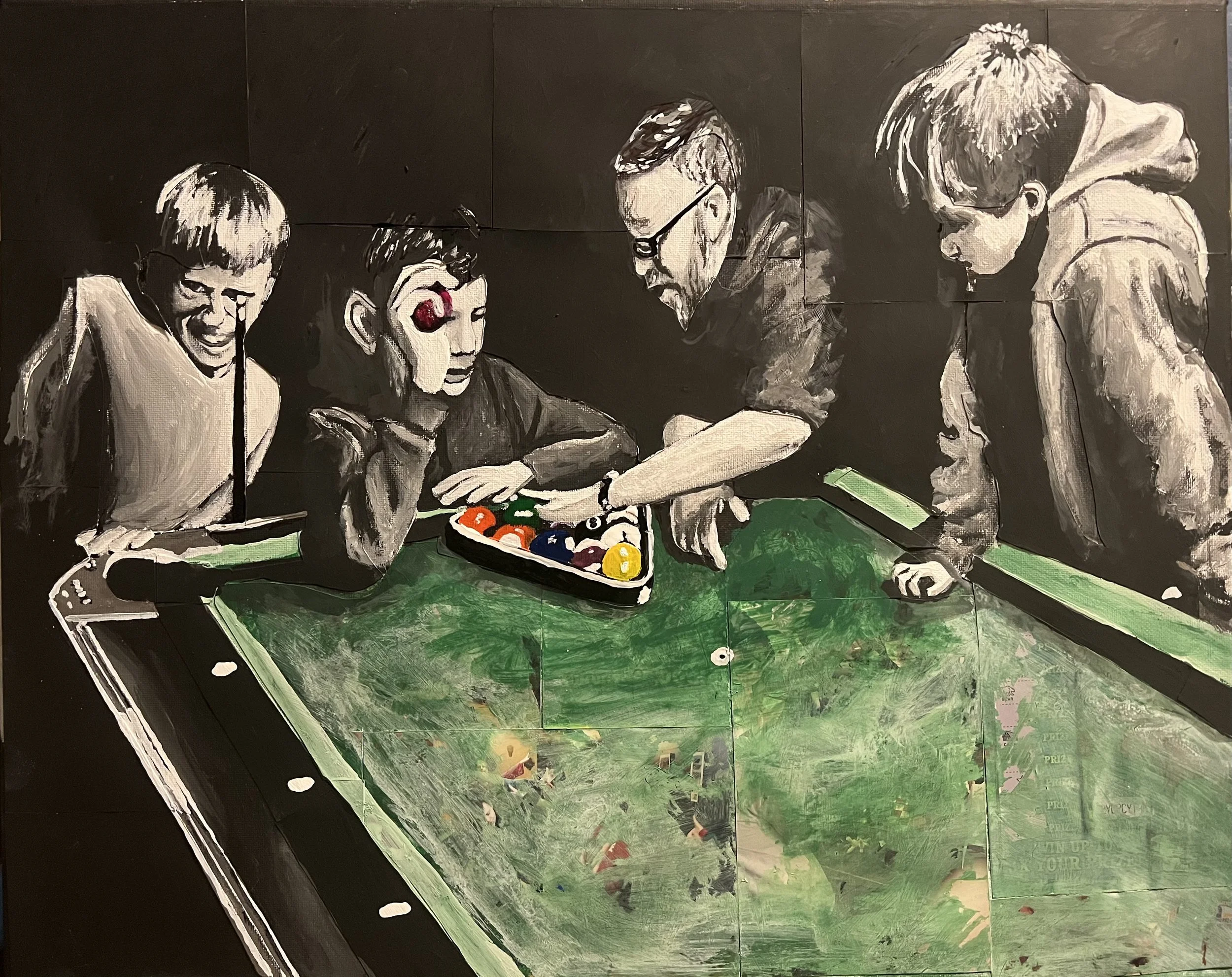
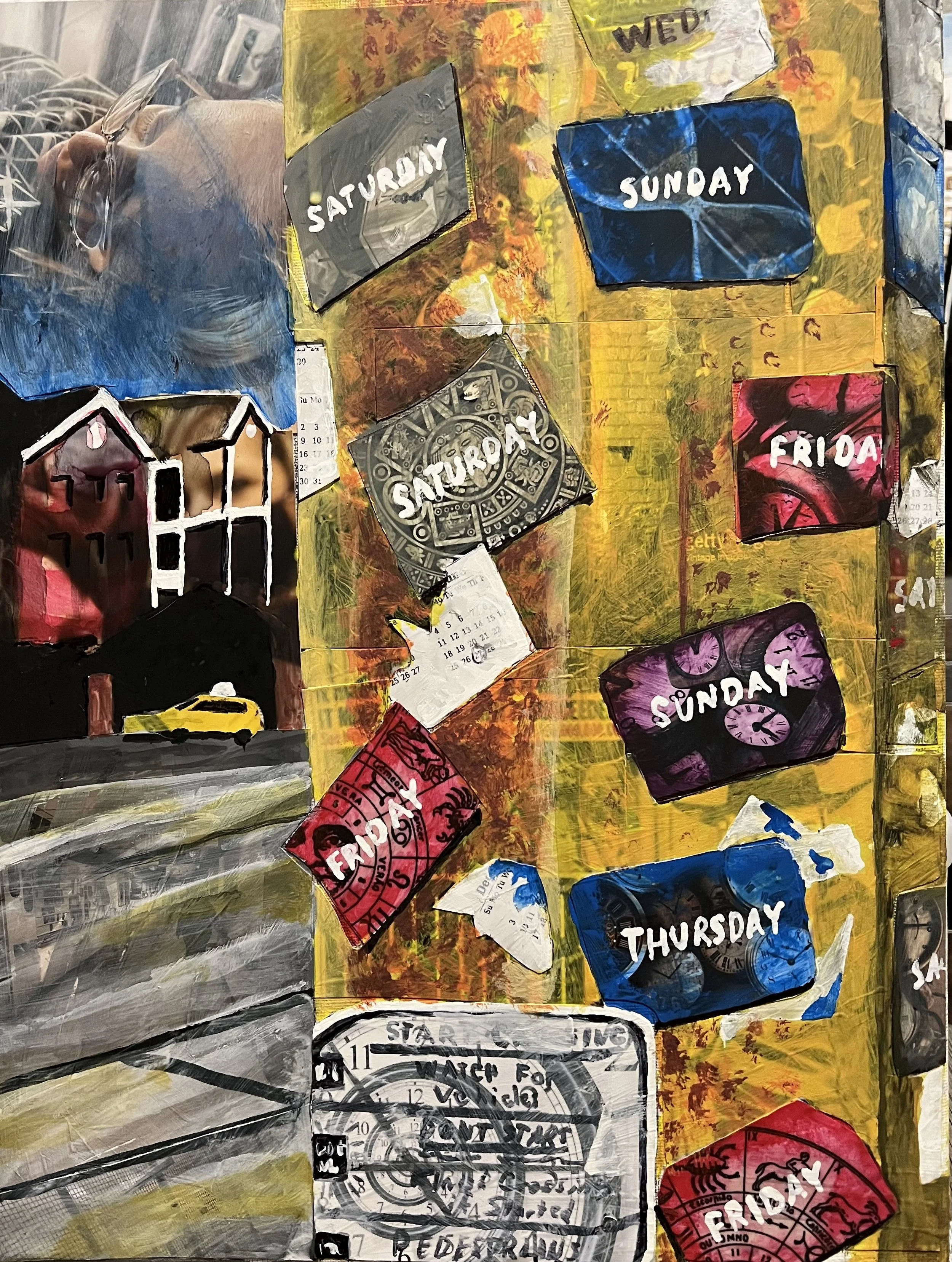
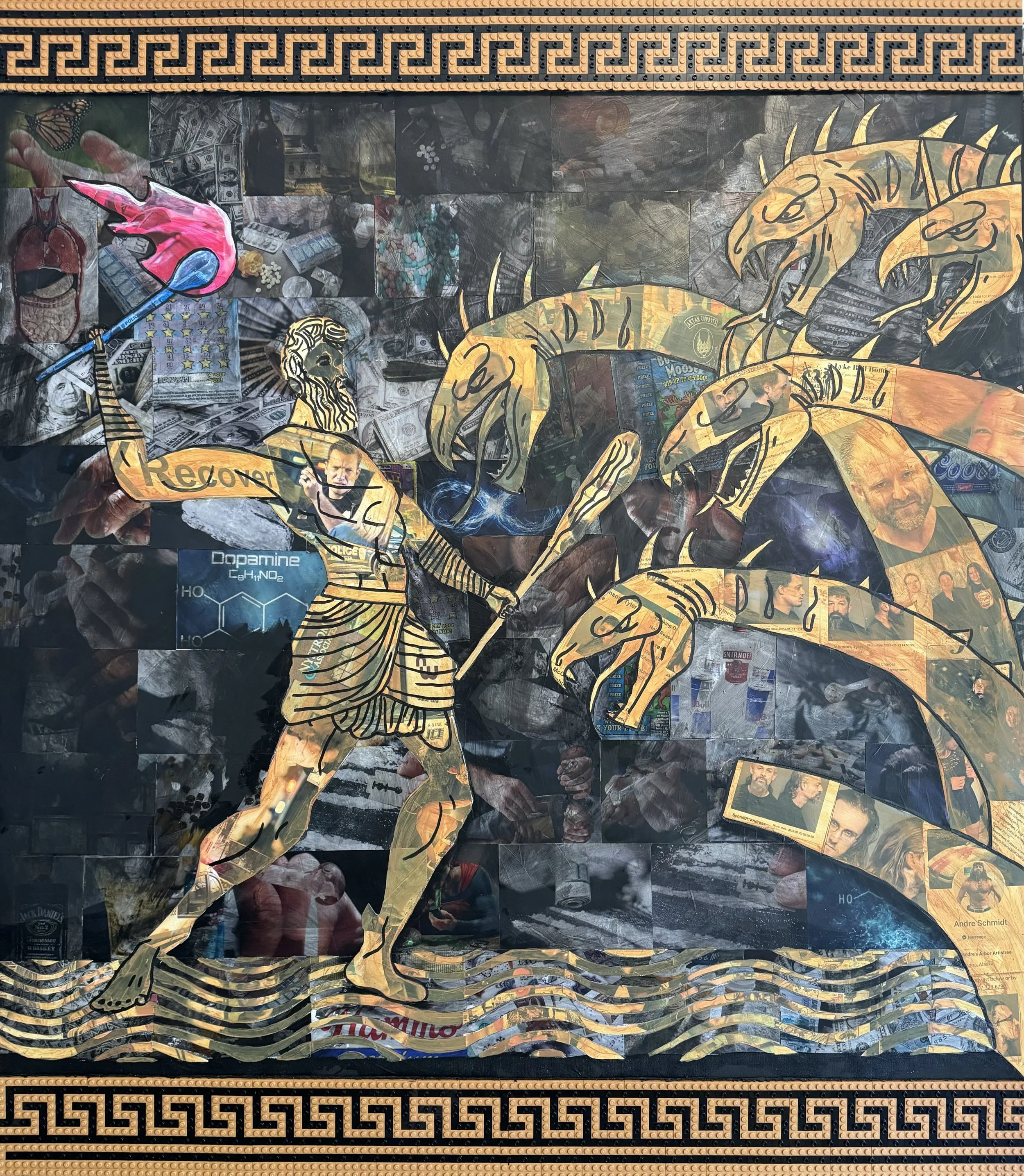
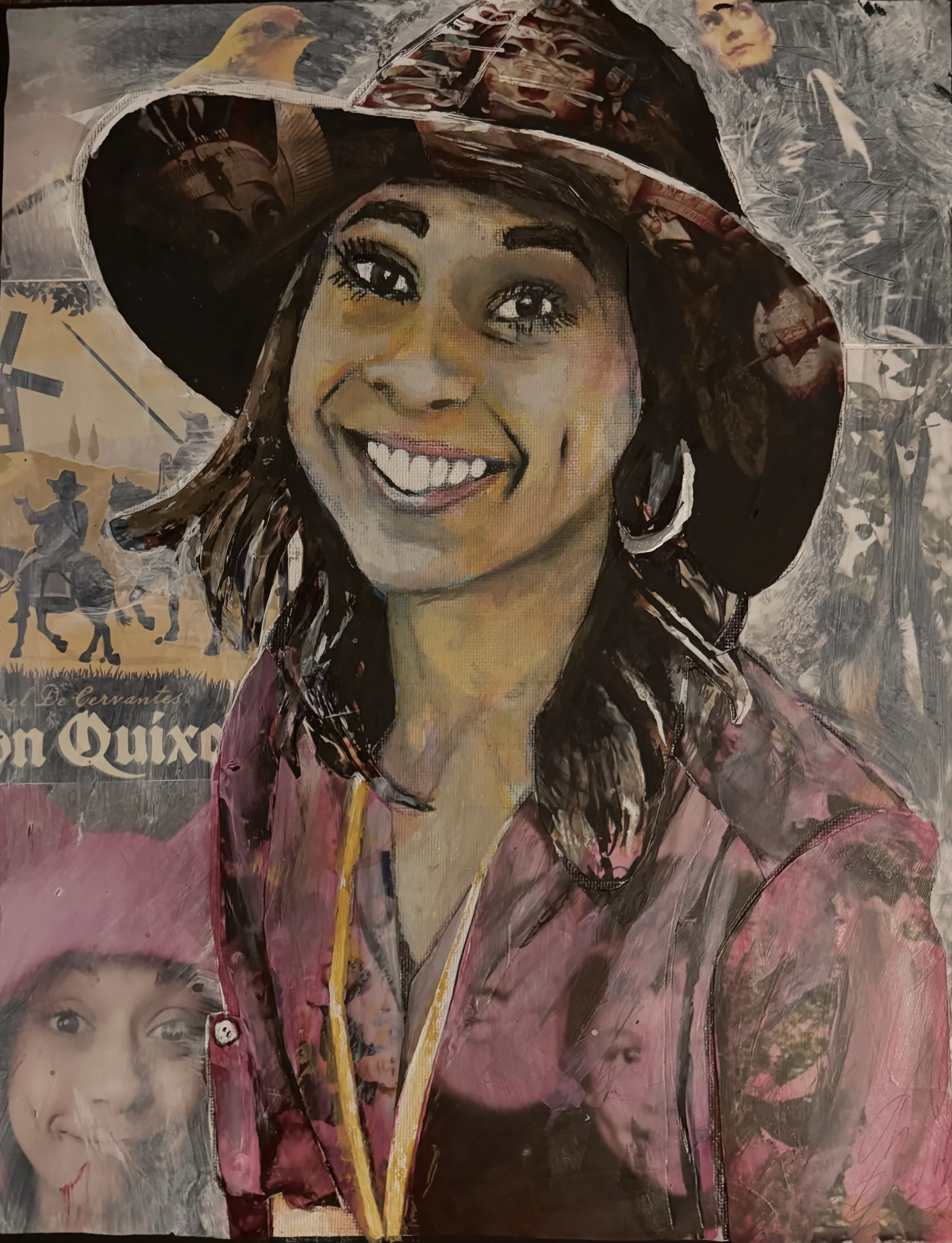
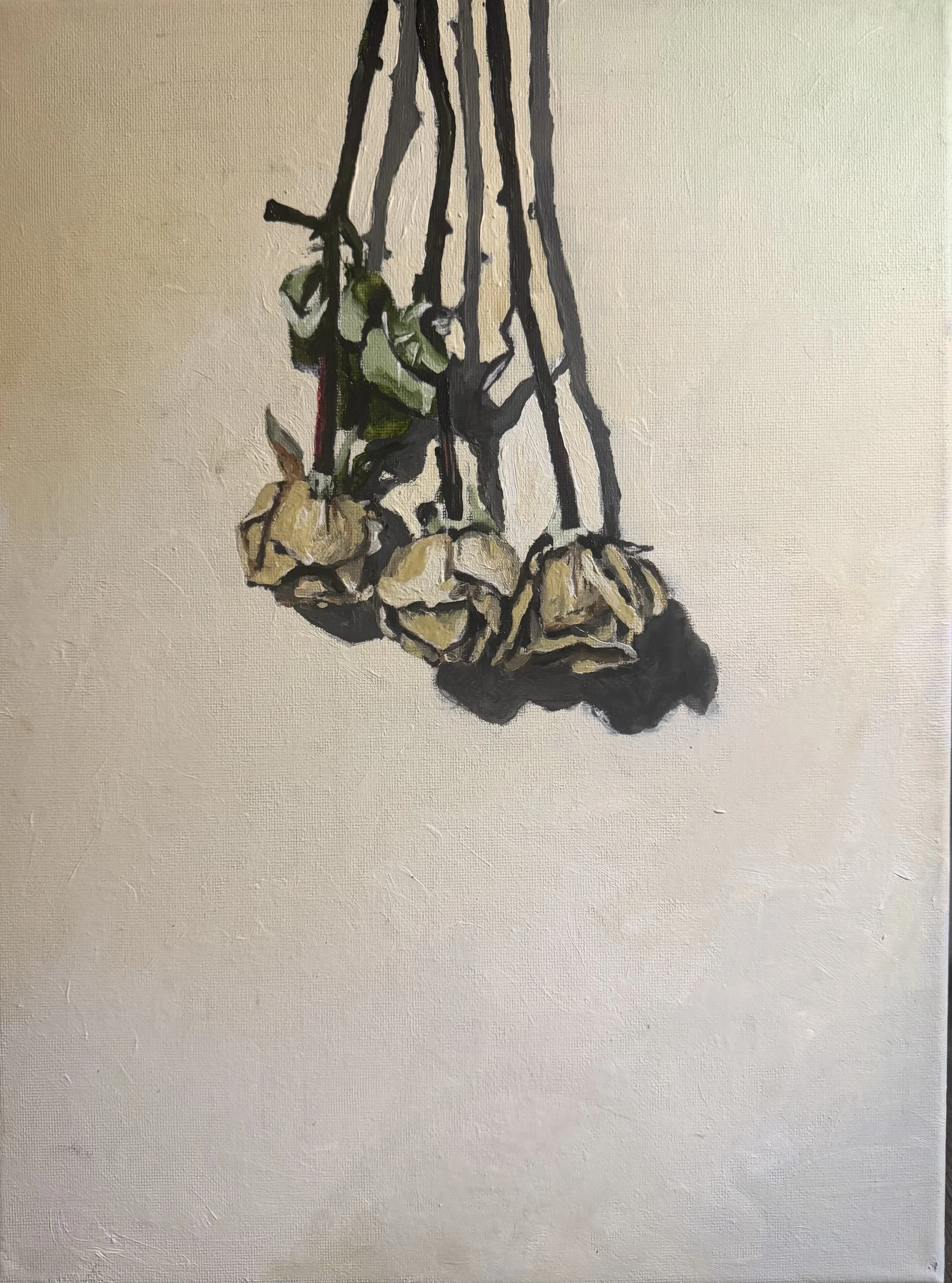
This new body of work was created while simultaneously writing and living the events of my film script Perfect Day. Most of these pieces either directly illustrate events in the manuscript or represent themes I was wrestling with. There were times I couldn’t separate the literary work with the visual work nor my own lived existence.
Each of these pieces should be able to stand on it’s own including the manuscript for Perfect Day. But, all of these works compliment each other and together give a much more detailed version of the story. While THIS book is meant to be primarily an anthology of the visual work I’ve created during this time period I think it is worth spending some time discussing Perfect Day (Anderson, 2025) and it’s development.
I began writing Perfect Day as a coping mechanism for dealing with the profound grief I felt at the dissolution of my family and the falling away of the teaching career I had spent just as long trying to nourish. It was a time in my life I felt at my lowest. I felt everything was slipping away from me and most of all I felt like a failure. A friend suggested I journal about my experiences and when I sat down to do it I decided that I would journal in the format of a film script.
I have always had a love affair with film and TV. I think some of that stems from growing up the son of a theater director. In our family, storytelling was like a form of sacrament. I always wished I had gone into film production and made movies. In college I even used to sneak into film classes I wasn’t taking and audit them since they were always so largely populated that the professor wouldn’t notice an extra body in the room. So this choice to write as if I was writing a movie or TV show about my life seemed appropriate.
Having been a huge fan of Andy Warhol’s Factory I was also a huge Velvet Underground and Lou Reed fan. I was obsessed with his song Perfect Day (Reed, 1972) as I felt the instrumentals in that song conveyed the sorrow I was living through. But, in the lyrics there was a beautiful contrast that told a hopeful story even if the possibility existed that it was all just a lie the singer was telling himself. So when I sat down to write, the first thing I put down on paper was the title, “Perfect Day.”
Part One of the script follows my life in 2019 as it crumbles and ends with my divorce finalized and me in a new career selling furniture. But, I kept writing, and writing, and writing, as my life seemed like it was writing this story itself. Things in my life and around me at times became absurd, starting with the chaos we all lived through that was COVID-19. How convenient was it, I thought, that I was already writing a film script about my life in this time period and that it might serve as a nice historical account of what it was like to live during those times. So, I kept writing.
My approach to writing was not dissimilar to the process I use in my collage paintings. Only, instead of memories contained in photographs, these were memories recollected in short scenes, cut up, arranged together, and assembled into a whole that was greater than it’s individual parts. And, what is left unspoken by the characters’ dialog gets said in the background music chosen for each scene. Much like how a collage element can add a hidden truth to an image.
Perfect Day is as much about music and pop culture as it is about my life and the other running themes I flesh out in the script. I made a conscious effort through the writing of the script to make most of this music diegetic. The characters play these songs on Alexa devices, on the jukebox, on the car radio, and over the speaker system at retail stores. These were their songs. Every time we hear a Billy Joel song in the script it is a reference to my father, every time we hear a 2000s pop song it is a reference to my late wife Samantha, and every time we hear Lou Reed or Leonard Cohen it is a reference to me.
The same is true with movies and TV shows described playing in the background and other references weaved into the script in more subtle ways like the nod to Miguel Cervantes’ Don Quixote (Cervantes, 1605) in part one when Matthew says it took him eight days to decide what his name would be. In this way Matthew is Don Quixote, a character trapped inside his own film script tilting at windmills as he battles Tori’s struggles with addiction and his own savior complex just as Tori is Holly Golightly from Breakfast at Tiffany’s (Capote, 1958).
Pablo Picasso once said, "Art is a lie that makes us realize the truth (Picasso, 1923).” The same can be said about both my collage paintings and my manuscript Perfect Day. The manuscript cherry picks certain memories to recall and leaves out others, it fuses side characters into one for easier digestion by the reader, it changes the character’s names not only to hide their identities but to draw new associations to them (i.e. Matthew’s friends are all named after the Apostles, Tori’s ex-husband’s name is derived from Chaucer’s Canterbury Tales (Chaucer, 2007), and most of Matthew’s love interests are given bird names.), and it embellishes certain scenes with details that through juxtaposition or appropriation recontextualize memory. I package and present memory to lead the audience where I want them to go just as data in an infographic does. It is up to the viewer to discern what is truth and what is fiction. And, the viewer’s own literacy or ability to discern when I am leading you and when I am not plays into the equation as well.
The other deliberate similarity between my collage paintings and the style of writing in Perfect Day involves the fourth wall. In theater the fourth wall is the audience and this is where the Postmodern Principle of the gaze is most pronounced in my works. In theater and film the fourth wall is most commonly broken when an actor turns and addresses the audience directly as in Ferris Bueller's Day Off (Hughes, 1986) when Ferris turns to the camera and says directly to us, "Life moves pretty fast. If you don't stop and look around once in a while, you could miss it.”
In my paintings the fourth wall is broken when one realizes they are looking at photographs, at windows into real life events in the past. Perfect Day breaks the fourth wall first by being self aware as we watch Matthew begin to write his script, then later has Tori read his script as a last ditch effort to save her from herself, and finally when we meet Trinity who has been reading Perfect Day all along (Interesting side note, the real life person the Trinity character is based on is a direct descendant of Miguel Cervantes). It also breaks the fourth wall constantly with diegetic elements and if it ever gets made into an actual film it will break through into people’s homes every time a character says, “Alexa, play......” And, it breaks the fourth wall by folding time in on itself and collapsing it to a dot.