Vice
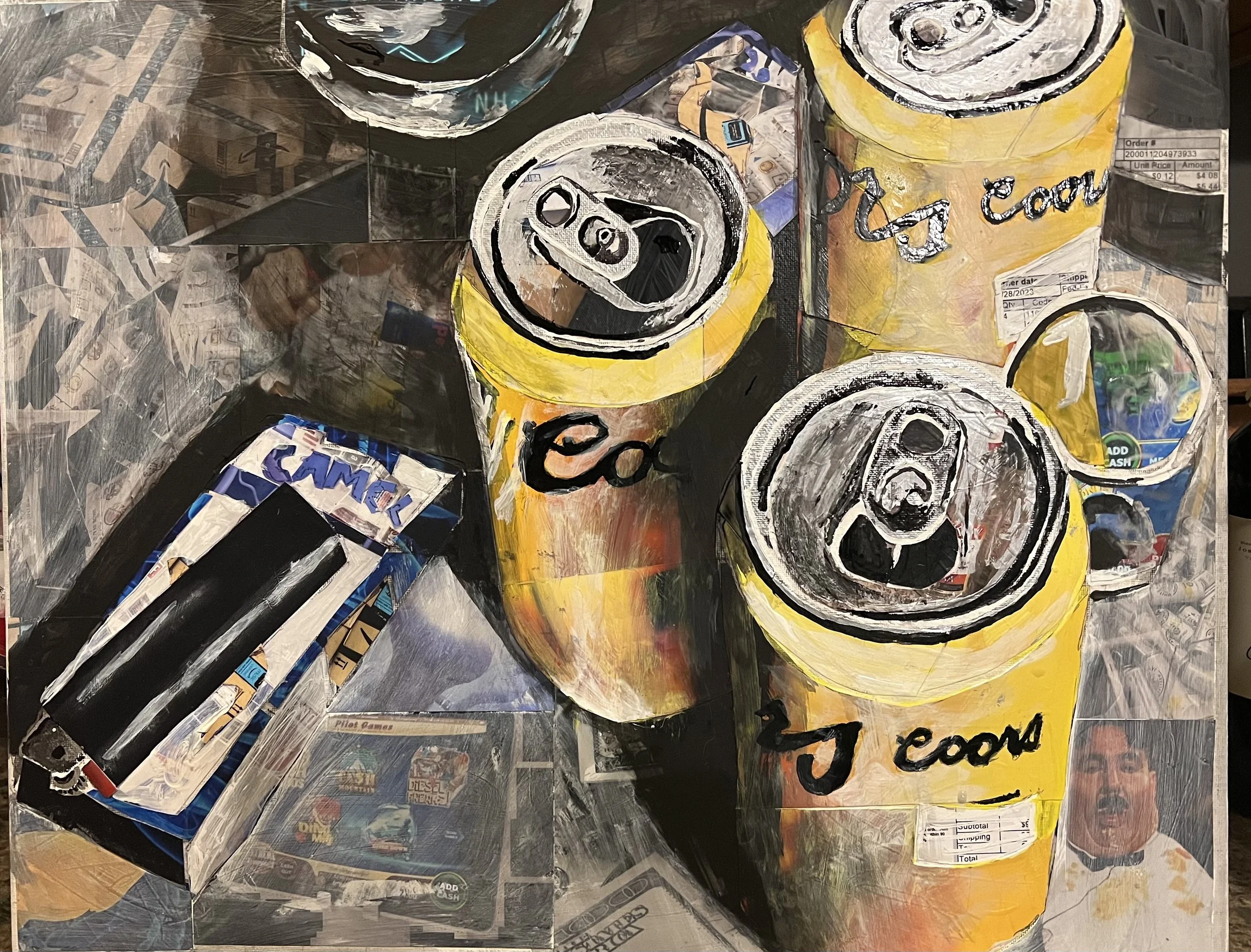
Samantha smoked and drank right in front of her mom and her boys. I did the opposite — hiding my cigarettes, hiding my beer cans, hiding my shame. For her, vice was a deterrent. For me, it was denial. This was in part because I didn’t want it to seem like I was endorsing those activities but more so because I wanted to avoid conflict, especially with my ex-wife who put them on full display for the family court in our divorce proceedings. She saw my approach as dishonest and perhaps she was right. I believed one should strive to live by example and hiding my vices was a form of lying.
Her position on the matter reminded me of a passage I read years ago in Andy Warhol’s memoir, The Philosophy of Andy Warhol: From A to B and Back Again where he talks about how if he had a pimple on his face, rather than cover it up with foundation, he would point it out to everyone he met (Warhol, 1975). This wouldn’t reduce his own self-consciousness about the pimple but it wouldn’t hide his self-consciousness either. That’s how Samantha was about her own vices.
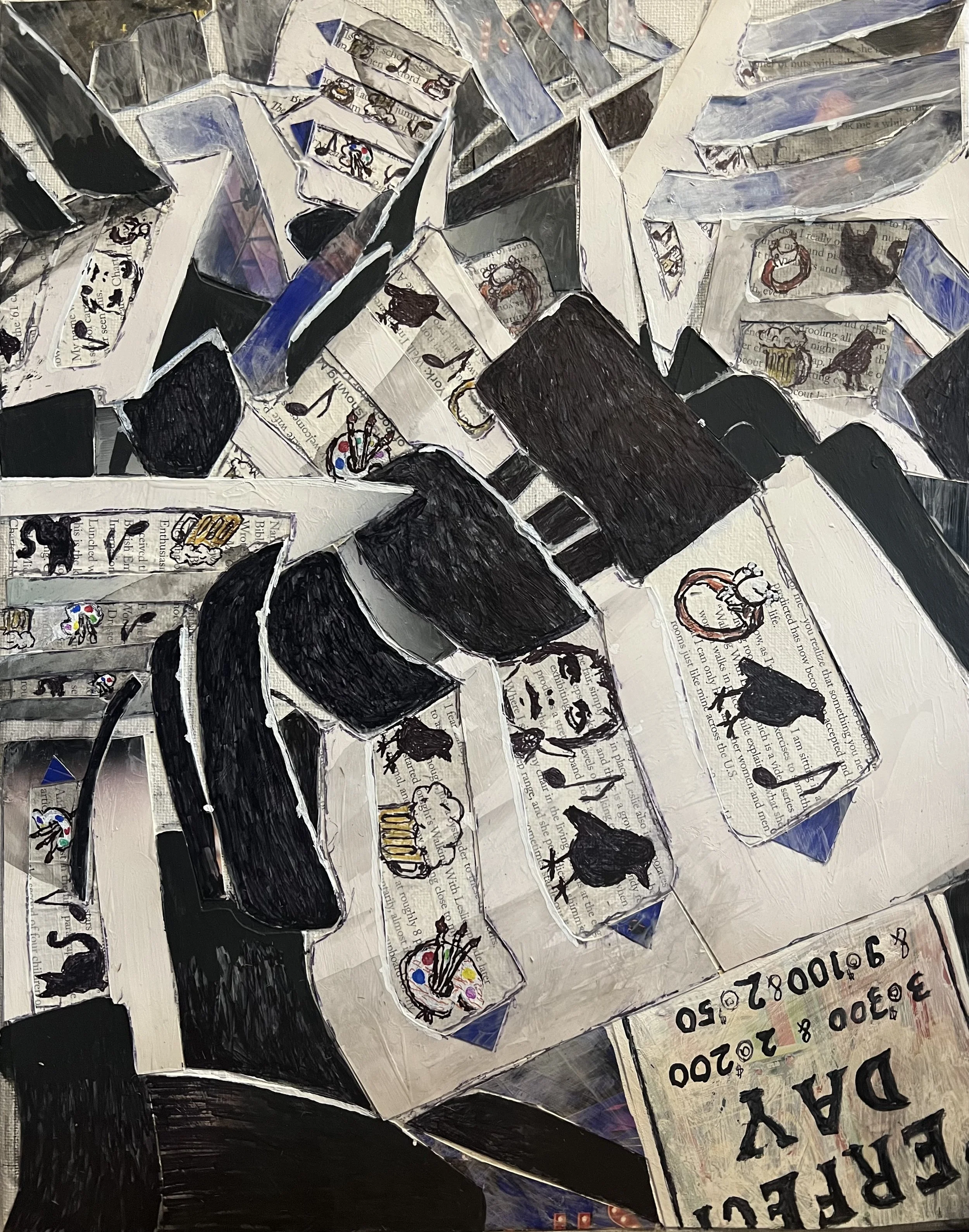
This was another thing that drew me to Lou Reed’s Perfect Day. The lyrics in that song are largely about a heroin addict in denial of their own vice. The line that always strikes a chord with me is where he says, “I thought I was someone else, someone good.” Both Samantha and I met each other at the lowest points in our lives. My marriage had just ended following the crash of my teaching career and she was going through a divorce after filing for bankruptcy and foreclosing on her dream house. We were both viewed as the villain by our families and largely because of the vices we shared.
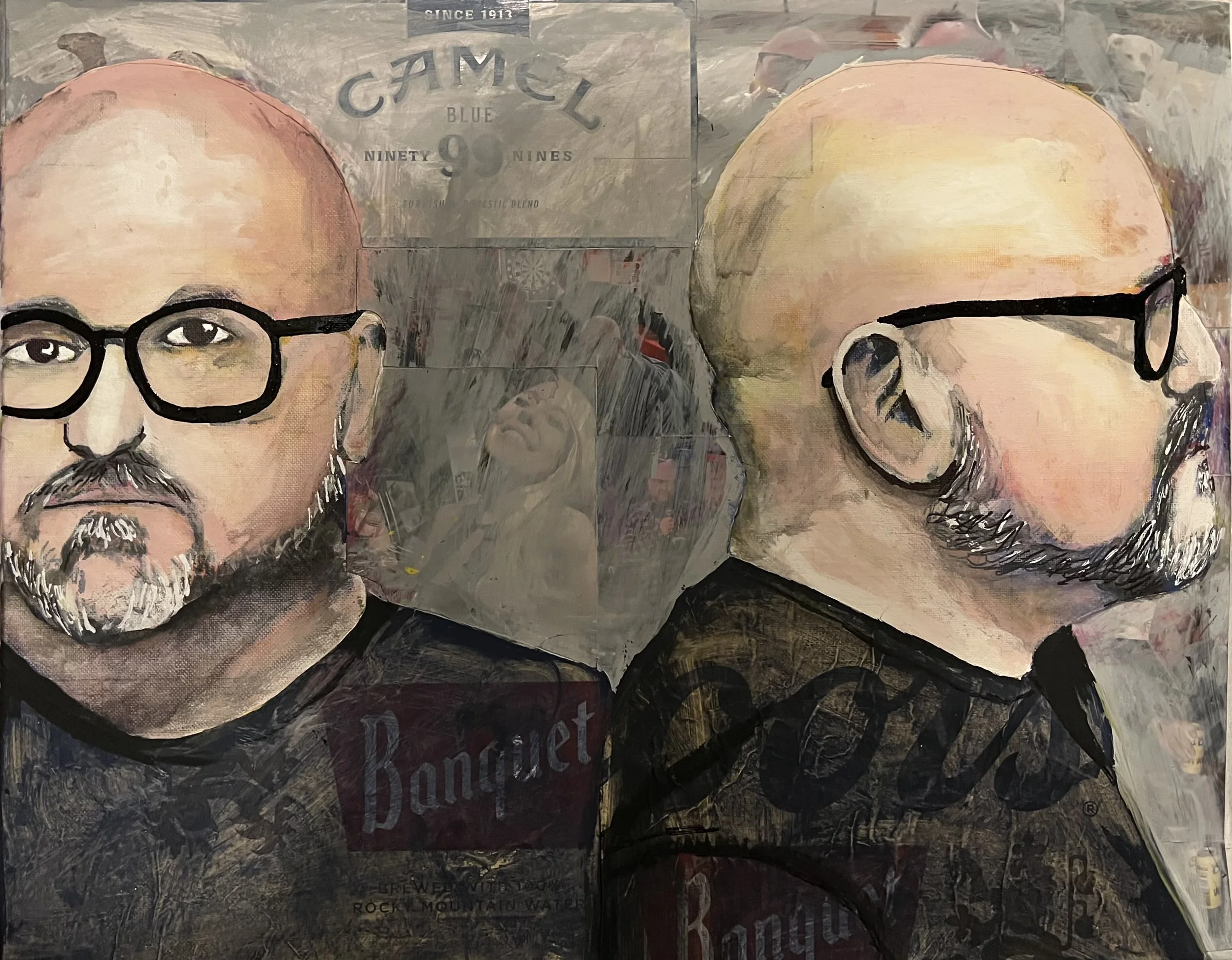
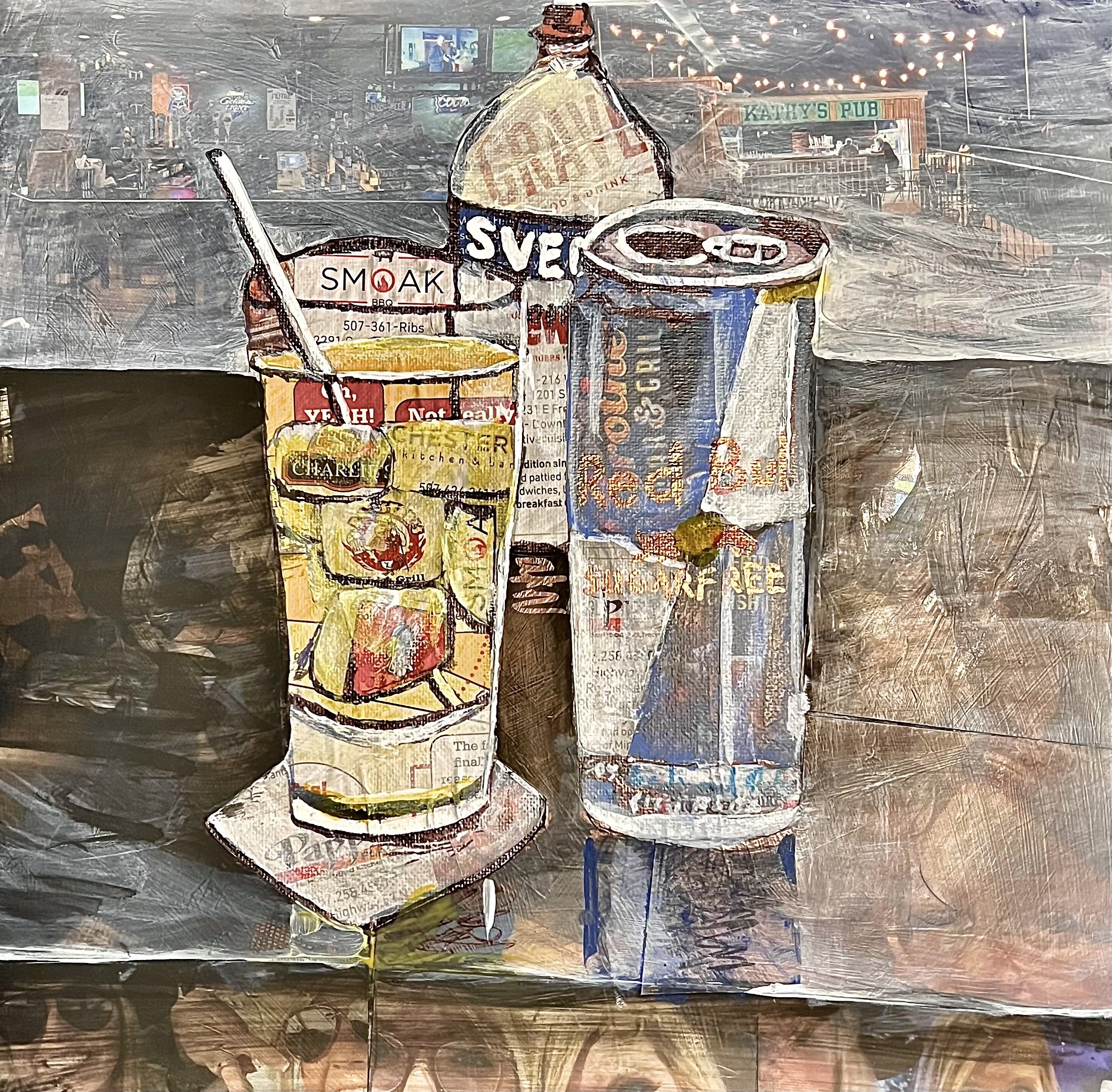
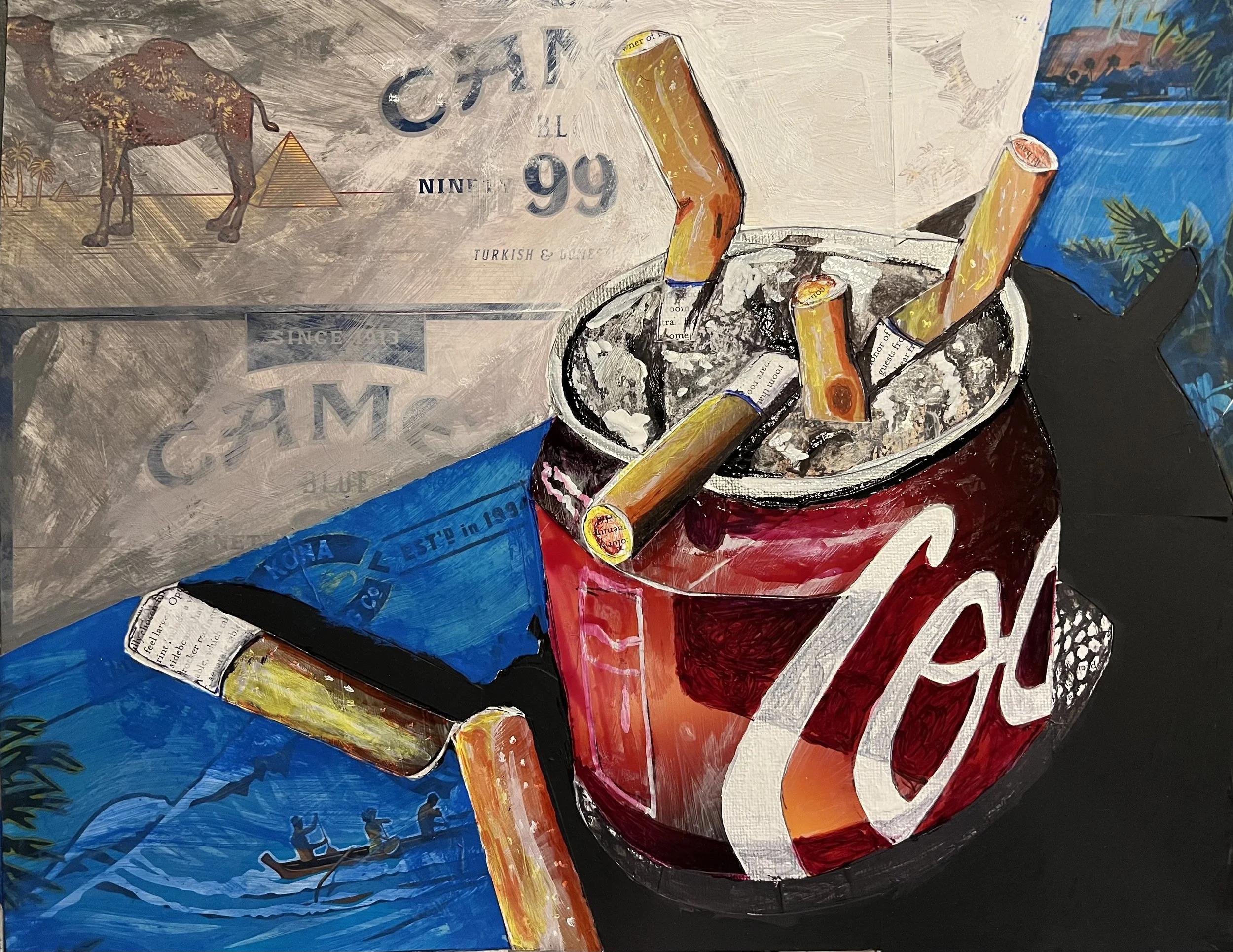
So, I’ve made a conscious effort in my own work to confront my vices and make them public: to point out the pimple. It started with the self-portrait as my DUI mugshot. I then did a painting of Samantha’s torn open pull tabs. This angered her so she made me paint my cigarette butts. I then made a painting of her Vodka Sugarfree Redbull and to be even I painted my beer cans. This was my attempt at pointing at my own pimples.
Perfect Day is full of vice — mine, hers, others’. It is part confessional, part portrait of denial. For a long time, I wanted to keep it hidden, the way I once hid my cigarettes. But Samantha wouldn’t allow it. She made me promise I would finish it and publish it. So I did. That was my pimple, pointed out for everyone to see.